Author: [email protected]

  • Vegan cherry pie (easy) – Lazy Cat Kitchen

    Vegan cherry pie (easy) – Lazy Cat Kitchen

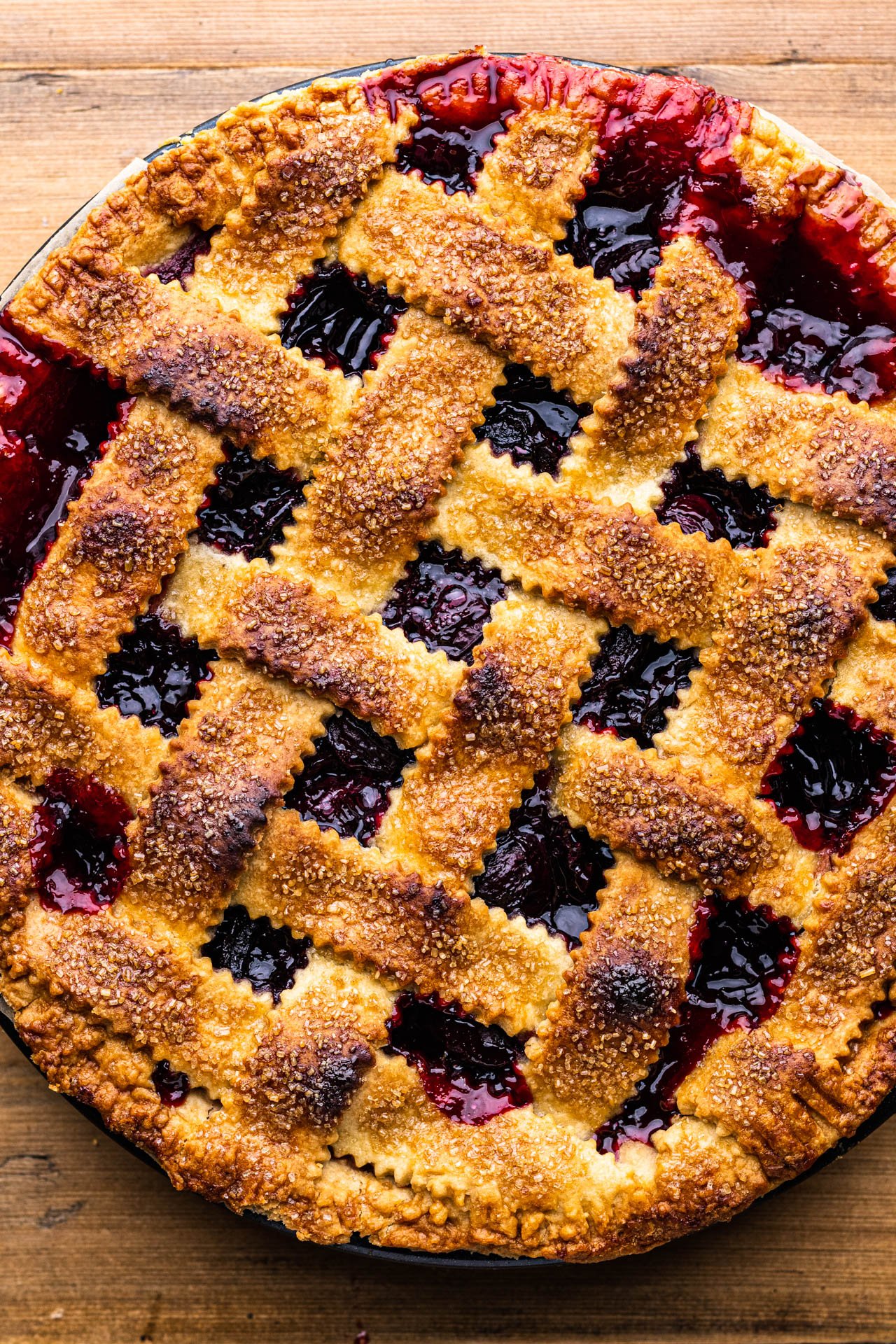
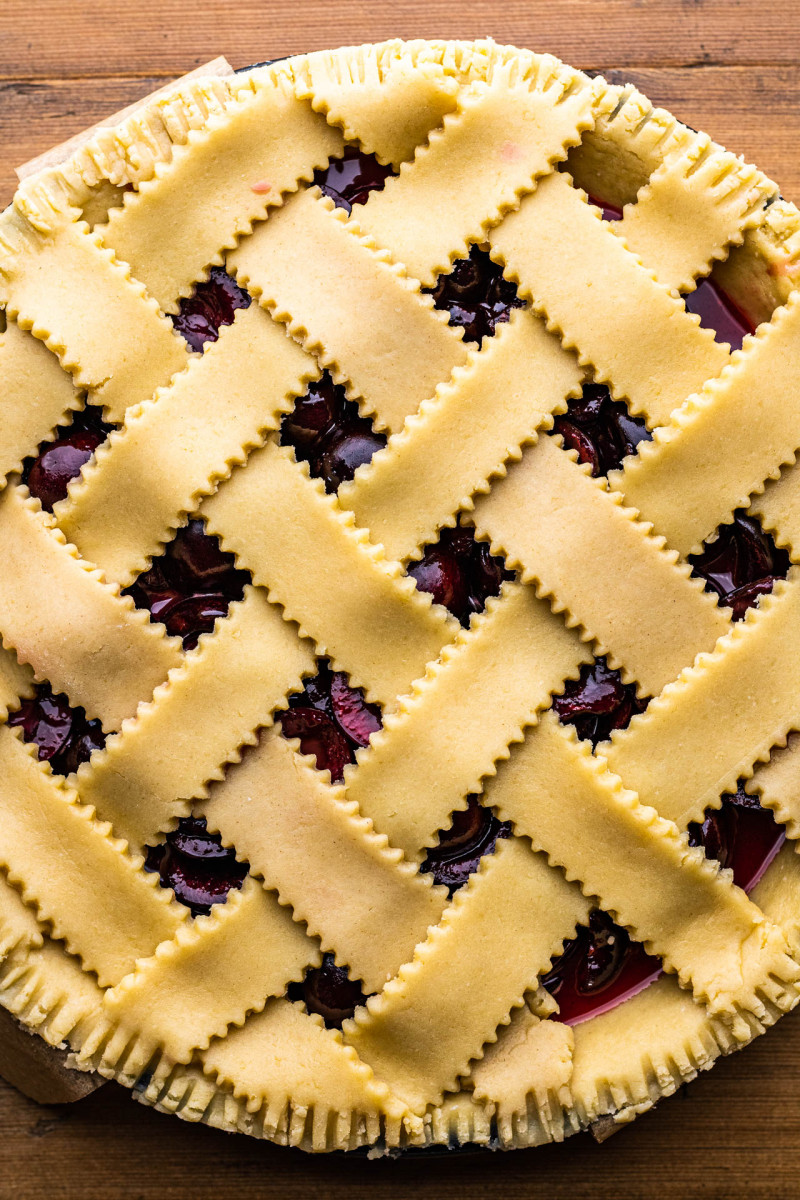
    vegan cherry pie whole

    After a long and hot (worryingly hot, let me add) summer, there is now a perceptible feel of autumn in the air. Before cooler days move in fully though, I decided to make use of late summer cherries and bake a vegan cherry pie! Cherry pie is such a classic and making it vegan is a walk in the park!

    This vegan cherry pie is easy to make, but absolutely irresistible to eat. Both me and Duncan have enjoyed it a little bit too much (I have not baked in a while…) and so we decided to share with neighbours and friends as having this much pie in the house was just too testing.

    While you may expect a pie like this to be a complicated affair, it really isn’t. The pastry for this vegan cherry pie comes together in a food processor, in a matter of minutes. You can, of course, make it by hand if you want but food processor makes the process so much easier and much less messy too.

    The cherry filling is even easier. As opposed to an apple pie filling, cherry filling does not need any precooking at all as cherries are less hardy than apples, plus you want chunks of whole (well half, but you get my point) cherries in your filling for that generous homemade feel. All you do to make this filling is mix the cherries with the remaining filling ingredients and set it aside for 30 minutes or so for the tapioca to do its thing.

    This is one of those things where the result is greater than the sum of its parts – crispy shortcrust pastry with a sweet and juicy filling packed with whole cherries – dreamy…I hope you’ll give this vegan cherry pie a try and if you do, enjoy it as much as we do!
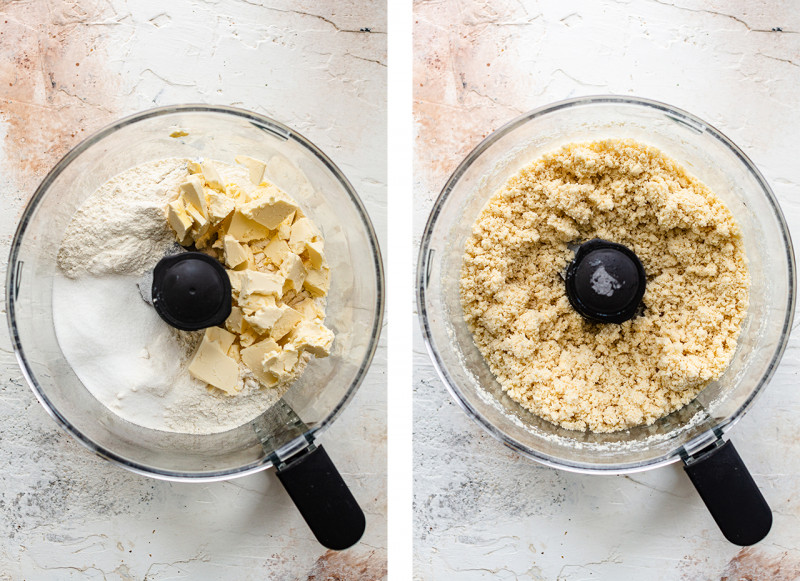
    vegan cherry pie pastry making

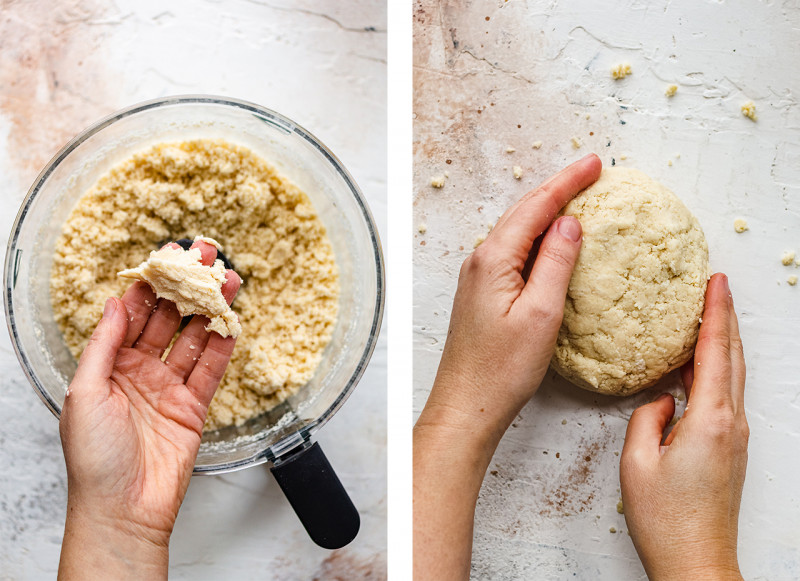
    Pulse all pastry ingredients (apart from water) a couple of times until the mixture looks pebbly, i.e. there are no big chunks of butter left. Next, pulse the mixture whilst trickling in ice cold water (mixed with vodka if using) until the mixture starts to resemble breadcrumbs – add as little water as you can get away with, the less water the better your pastry will be. The exact amount of water needed varies as it depends on many things (how finely you cut the butter, how absorbent is your flour, ambient temperature and humidity) so be sure to add the liquid gradually and to stop the food processor to touch the mixture with your hands to make sure you don’t add too much. The photo on the right was taken after water has been added.
    vegan cherry pie pastry ready

    Once the mixture is just moist enough (without feeling wet) to clump up in your palm, transfer it to the counter and gently bring it together with your hands into a disc – do not knead! Refrigerate for at least 60 minutes to relax the gluten and keep the pastry tender.
    vegan cherry pie raw

    Roll 2/3 of the pastry into a round slightly bigger than your pie dish. Add the filling and its juices and use pastry cut offs and then pastry you set aside to make the lattice top.
    vegan cherry pie lattice work

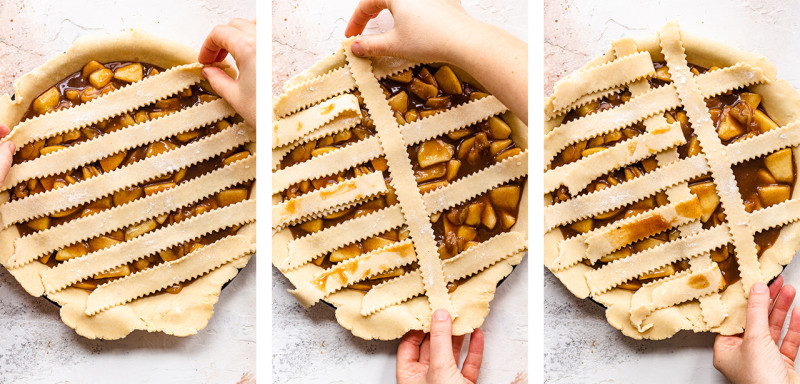
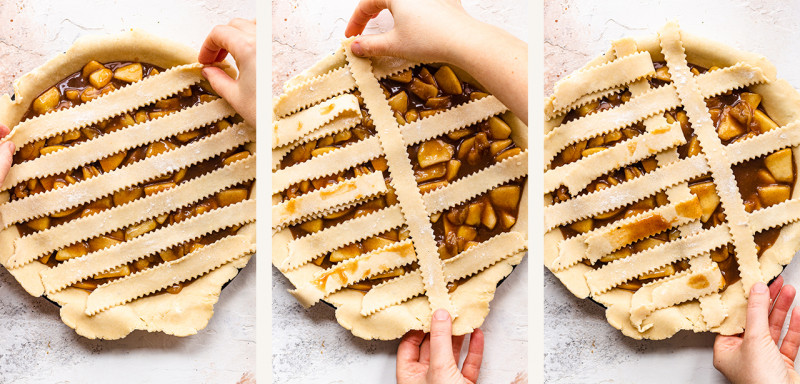
    Roll of the remaining pastry and cut ten 2 cm / 0.75″ wide strips out of it. Arrange the first five on top of the pie the weave the remaining five between them – see the photos below on how to do that. First, lay down all the strips in one direction. Next, pull every second strip back. Place a strip of pastry perpendicular to the ones you placed first. Put the pulled back strips down. Do the same again, but this time lifting off the strips that stayed down last time. Soon you’ll see a nice basket weave emerge…
    vegan cherry pie edges

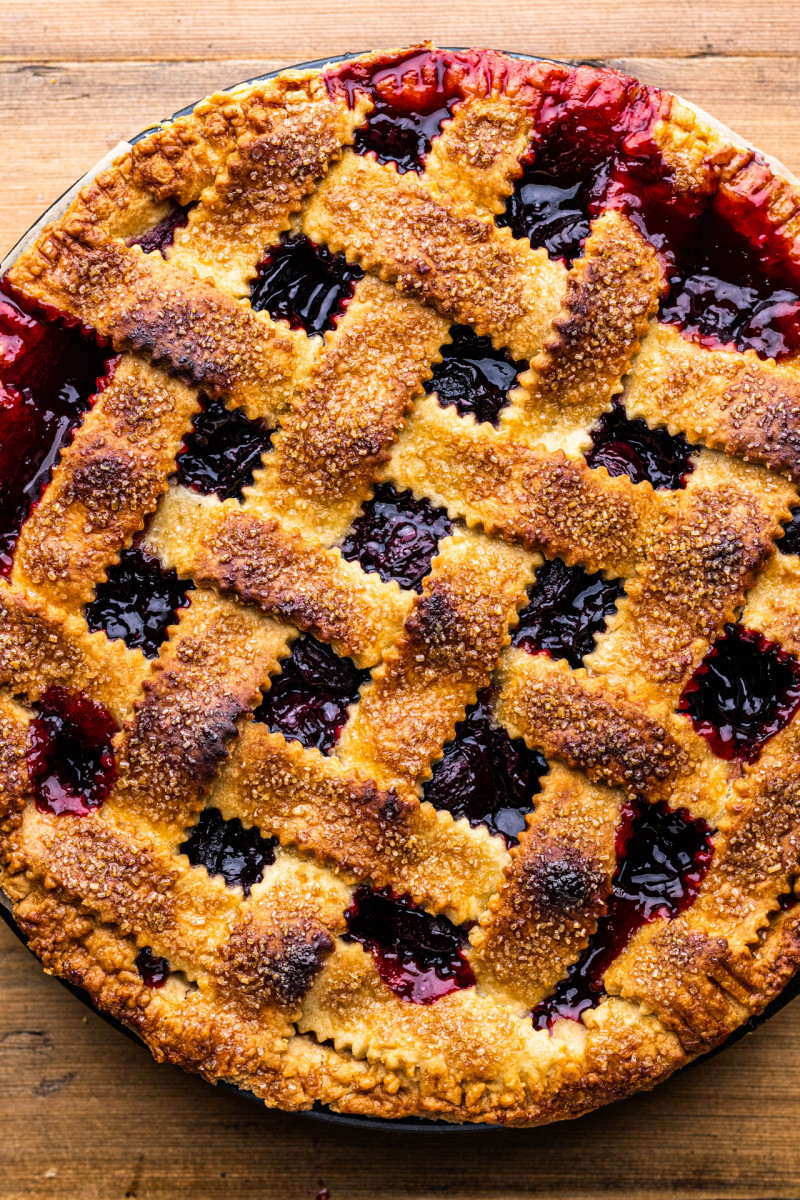
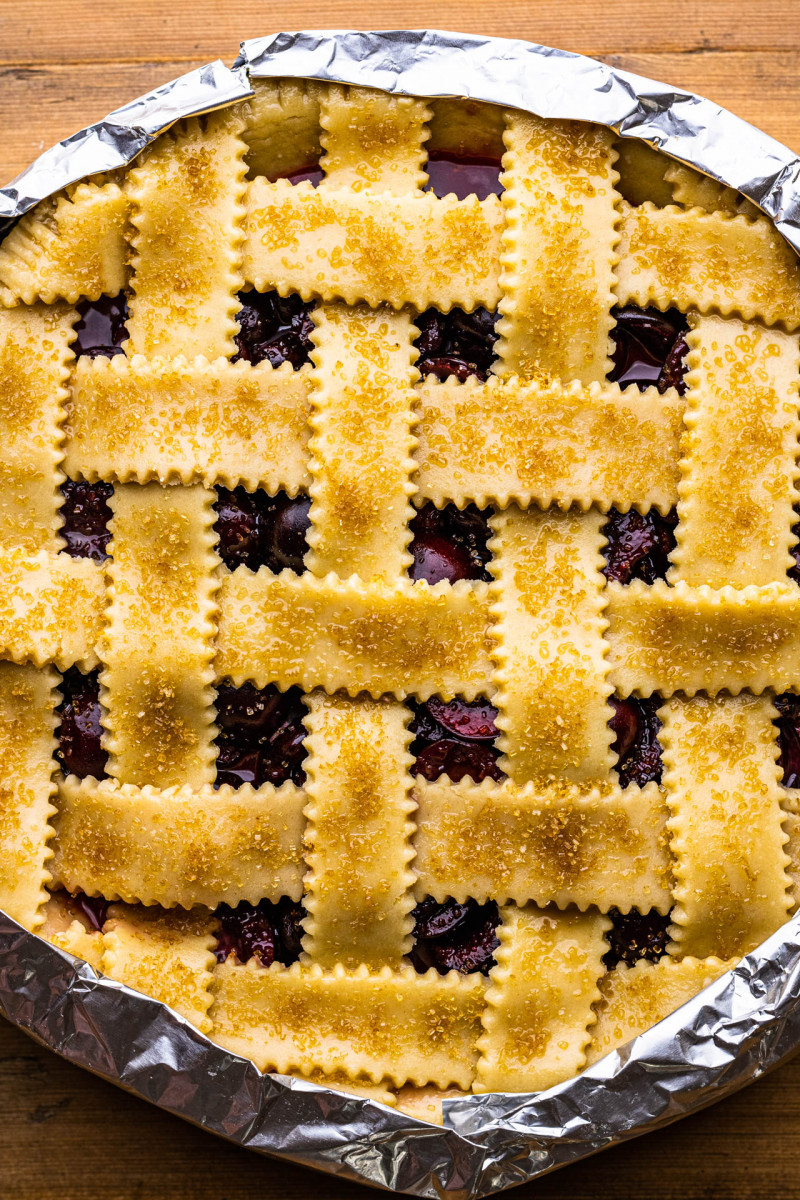
    Glaze the lattice top and sprinkle with demerara sugar for an extra crunch, protect the edges with a strip of tin foil and bake until the pastry is golden and the cherry filling is bubbling.
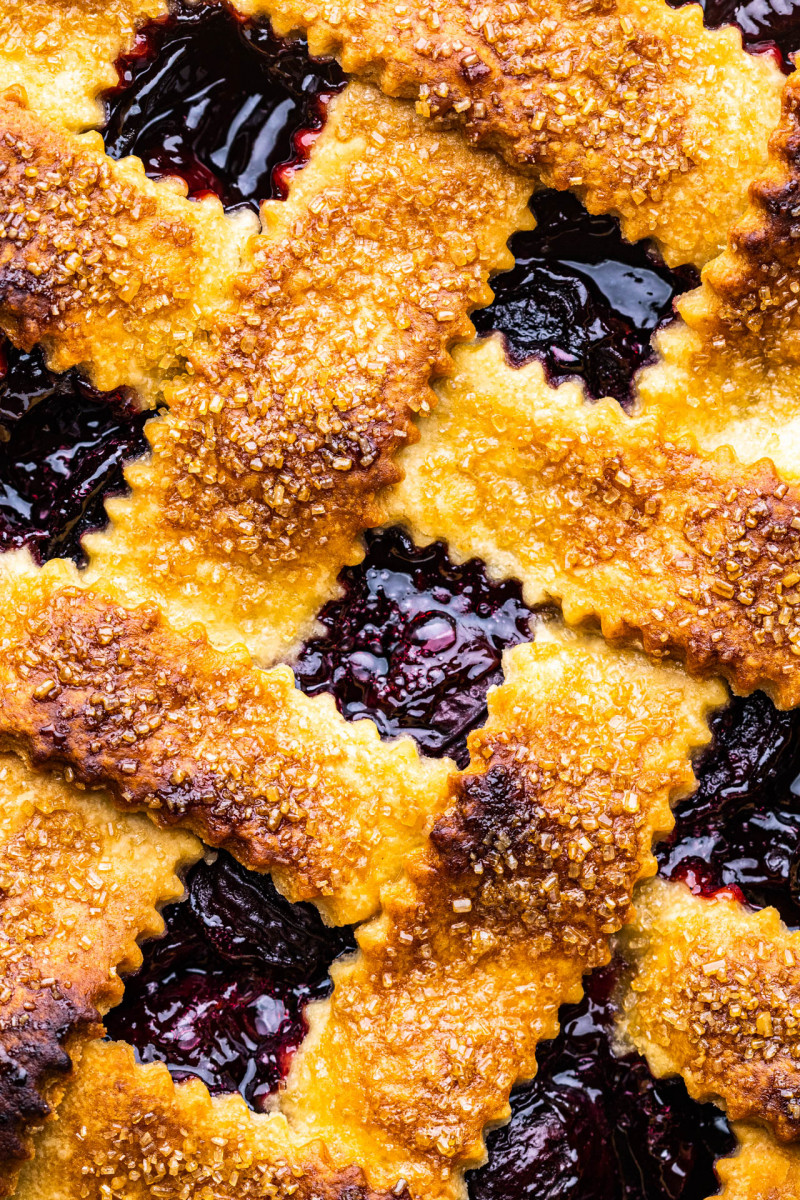
    vegan cherry pie close

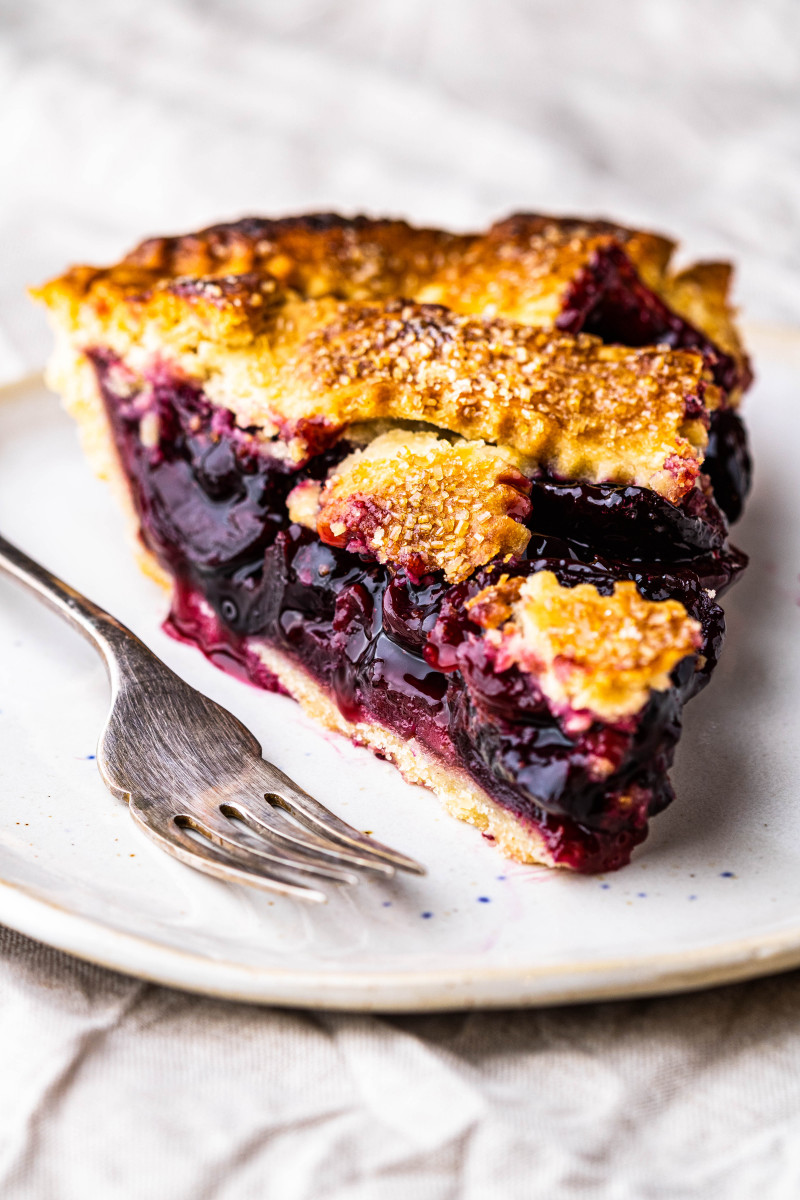
    vegan cherry pie slice

    CHERRY PIE FILLING

    • 750 g / 26.5 oz cherries (5 cups, pitted and halved)
    • 30 ml / 2 tbsp lemon juice + optionally zest 1 lemon
    • 40 g / 5 tbsp tapioca starch*
    • a good pinch of salt
    • 175 g / heaped ¾ cup caster sugar
    • 10 ml / 2 tsp vanilla extract (optional)

    SHORTCRUST PASTRY

    • 375 g / 3 cups all purpose flour or GF flour mix
    • 2½ tsp xanthan gum (only if using GF flour mix)
    • ¾ tsp fine salt
    • 50 g / ¼ cup caster (superfine) sugar
    • 200 g / 7 oz (1 cup) vegan butter, I use Naturli
    • 15 ml / 1 tbsp cold vodka (optional)
    • approx. 75 ml / 5 tbsp ice cold water
    • GLAZE: 4 g / 1 tsp sugar dissolved in 15 ml / 1 tbsp plant milk & 5 ml / 1 tsp oil
    • 2 tbsp demerara sugar, to sprinkle

    METHOD

    PASTRY

    1. Combine the flour, icing sugar, salt and xanthan gum (if making GF pastry) in the food processor bowl. Alternatively, you can make the pastry by hand – see photos here.
    2. Chop vegan butter into small pieces and add it to the dry ingredients. Pulse the machine a few times to cut the fat into the flour.
    3. If using vodka, mix it with approx. 5 tbsp of ice cold water. Gradually trickle in ice cold water while pulsing the mixture. You’ve added enough water when the mixture starts to resemble breadcrumbs and clumps together in your hand when squeezed but does not feel wet – you want to add as little water as possible.
    4. Transfer the pastry mixture out of the food processor. Gently press the dough together with your hands into a disc, but do not knead – handle as little as you can or else your pastry will be tough.
    5. Wrap the pastry in a piece of cling film and chill in the fridge for at least 60 minutes.
    6. Remove the dough from the fridge, cut one third of the dough off and return to the fridge.

    CHERRY PIE FILLING

    1. Halve and pit the cherries, I use my ¼ tsp measuring spoon to get the stone out.
    2. Place cherry halves with a large mixing bowl, add sugar, salt, tapioca starch, vanilla extract and lemon juice (and zest if liked). Mix really well and set aside for 30 minutes to activate tapioca.

    ASSEMBLY & BAKING

    1. Pre-heat the oven to 200° C / 390° F and place a pizza stone or an old-fashioned metal tin in the middle of the oven – this helps the bottom of the pastry cook properly despite a wet filling.
    2. Prepare a long double strip of kitchen foil to wrap around the edges of the pie to prevent them from browning too quickly.
    3. Roll bigger portion of the pastry out on a lightly floured surface until the pastry is about 3-4 mm / 1/8″ in thickness and slightly larger then your pie pan. Line the pan with the rolled pastry, cut off any excess and place in the fridge. Pierce the pastry at the bottom of the pie dish with a fork all over.
    4. Fill the pie with the filling.
    5. Roll out the remaining pastry and any cut offs on a lightly floured surface, using a knife or a pastry cutter cut ten strips.
    6. Arrange the five strips of pastry on top of the filling in one direction. Make sure the strips aren’t stretched to allow the filling to rise and fall (during and after baking).
    7. Pull back every second strip half way and place one strip perpendicular to the rest. Return the pulled back strips to where they were.
    8. Pull back alternating strips (the ones that stayed down last time) and place one strip perpendicular to the rest. Return the pulled back strips to where they were. Continue in this manner until you’ve covered the entire pie.
    9. vegan cherry pie lattice

    10. Press the lattice strips to the edges of the pastry with your fingers or a fork and trim the excess pastry with a sharp knife – leave a teeny tiny overhang over the edge of the dish as pastry will shrink a little during baking.
    11. Combine glaze ingredients in a small bowl and glaze the lattice with a pastry brush, then sprinkle the lattice with demerara sugar. Wrap kitchen foil loosely around the edges to prevent them from browning too fast.
    12. Bake for 20 minutes, then decrease the temperature to 190° C / 375° F and carry on baking until the pastry is golden and the filling is bubbling – approximately another 30 minutes.
    13. Allow the pie to settle for at least 3 hrs before cutting, overnight is best. Consume on the day ideally or store in an air-tight container out of the fridge (at cool temperature) for up to 2 days if needed.
    NOTES

    *TAPIOCA STARCH: Tapioca starch is a great pie thickener, it produces a clear jelly around the fruit and does not require heating up to activate, it also freezes well. If you wanted to you can use cornstarch (about 3 tbsp should be enough – I have not tested with cornstarch!), but you will need to activate it by adding it to the cherry juices and heating it up until thickened.

    *PIE PAN: I used 23 cm / 9″ pie pan that is 3 cm / 1.2″ deep. If using a deep pie pan, you will need to double the amount of filling.

    NUTRITIONAL INFO

    *per 1 out of 16 servings

    Credit: Source link

  • The Corporate Playbook Behind Undermining Dietary Guidelines

    The Corporate Playbook Behind Undermining Dietary Guidelines

    International Life Sciences Institute, a nonprofit, is accused of being a front group for Coca-Cola and other junk food giants.

    In 2019, a series of reviews was published in the Annals of Internal Medicine that concluded the same thing that past reviews have concluded: Adhering to dietary patterns that are lower in red or processed meat intake may result in decreased risks for premature death, cardiometabolic disease and mortality (meaning the risk of getting and dying of diseases like heart disease and type 2 diabetes), and getting cancer and dying from it. Therefore, they concluded in their Dietary Guideline Recommendations, “continue current unprocessed red meat consumption” and “continue current processed meat consumption.” Wait, what? Despite the increased risks of premature death, cancer, heart disease, and diabetes, the advice was essentially keep eating burgers and bacon?

    To understand what happened, we have to go back to 2015. The Dietary Guidelines for Americans had just had the audacity to recommend people reduce their sugar intake. Imagine you work for the sugar industry. The evidence is overwhelmingly against you; so, what do you do? Well, what did the tobacco industry do? One method involved the tobacco industry’s “funding of and involvement in seemingly unbiased scientific groups to manipulate political and scientific debate concerning tobacco and health”—groups like the International Life Sciences Institute (ILSI), which “has enjoyed a long and serious collaboration with the tobacco industry.” That same industry group shapes food policy worldwide.

    Technically a nonprofit “with an innocuous sounding name,” the International Life Sciences Institute “has been quietly infiltrating government health and nutrition bodies around the world.” The group was created by a top Coca‑Cola executive and “is almost entirely funded by Goliaths of the agribusiness, food and pharmaceutical industries.” “After decades largely operating under the radar, ILSI is coming under increasing scrutiny by health advocates in the United States and abroad who say it is little more than a front group advancing the interests of the 400 corporate members that provide its $17 million budget,” including Coca-Cola and PepsiCo.

    So, when the 2015 U.S. dietary guidelines recommended eating less sugar, the soda-funded International Life Sciences Institute sponsored a review concluding that the sugar guidelines were simply not trustworthy. Who did they pick for this hatchet job? Bradley Johnston. The Annals of Internal Medicine published “The Scientific Basis of Guideline Recommendations on Sugar Intake,” which concluded there basically wasn’t one: “Guidelines on dietary sugar do not meet criteria for trustworthy recommendations and are based on low-quality evidence.”

    “This comes right out of the tobacco industry’s playbook: cast doubt on the science,” said professor Marion Nestle. “This is a classic example of how industry funding biases opinion. It’s shameful.” Yes, the paper was paid for by the likes of Hershey, Red Bull, Coca-Cola, and the makers of Oreos, but the authors swore they “wrote the protocol and conducted the study independently from ILSI.” It turns out that was a lie, forcing the journal to publish a corrected version after the Associated Press obtained emails showing the industry front group “requested revisions,” as you can see below and at 4:00 in my video How Big Sugar Undermines Dietary Guidelines. It also came out that a co-author conveniently forgot to mention directly receiving a $25,000 grant from Coca-Cola.

    You know it’s bad when candy bar companies criticize an industry-funded paper on sugar. Mars, the maker of Snickers, Skittles, and M&M’s, broke ranks with other food companies and denounced the industry-funded paper. What’s more, Mars itself was a member of ILSI, but telling people to ignore guidelines to cut down on sugar? That just makes us all look bad.

    If you look at the relationship between funding sources and conclusions in nutrition-related scientific articles, there are about seven or eight times the odds that the conclusion will skew favorably compared to studies with no industry funding. For interventional studies, the proportion of industry-funded studies that reached unfavorable conclusions about their own products was a whopping 0%, which should not surprise anyone.

    So, what can journals do to counter tactics industries often use to promote the safety of harmful products or “question the integrity of science that calls their products into question?” To push back against the tobacco industry’s influence over scientific discourse, leading journal editors have “refused to be passive conduits for articles funded by the tobacco industry.” They just won’t accept tobacco industry-funded studies, period. “Accordingly, high-quality journals could refrain from publishing studies on health effects of added sugars funded by entities with commercial interests in the outcome”—like soda and cookie companies. But they’re not, as evidenced by the ILSI-sponsored review on sugar intake that was published in the Annals of Internal Medicine.

    Fast forward four years, back to the beginning of this blog: The next batch of Dietary Guidelines for Americans is on the way, and the last scientific report of the guidelines committee encouraged people to eat diets not just lower in sugar but lower in meat as well. So, Big Beef decided to follow in the footsteps of Big Butterfinger—the recommendations to continue eating processed and unprocessed meat were published in the same journal, with the same guy, scientist-for-hire Bradley Johnston, as lead author, and the rest is history. We’ll dig into exactly how he pulled it off next.

    Doctor’s Note

    This is the first in an eight-blog series on how industries impact dietary and health guidelines—stay tuned.

    Sadly, sometimes corporate influence infiltrates the scientific Dietary Guidelines Advisory Committee itself. See Dietary Guidelines: Advisory Committee Conflicts of Interest. For a fascinating history, see The McGovern Report.


    Credit: Source link

  • Jeera Dal (Indian Cumin-Spiced Lentil Soup)

    Jeera Dal (Indian Cumin-Spiced Lentil Soup)

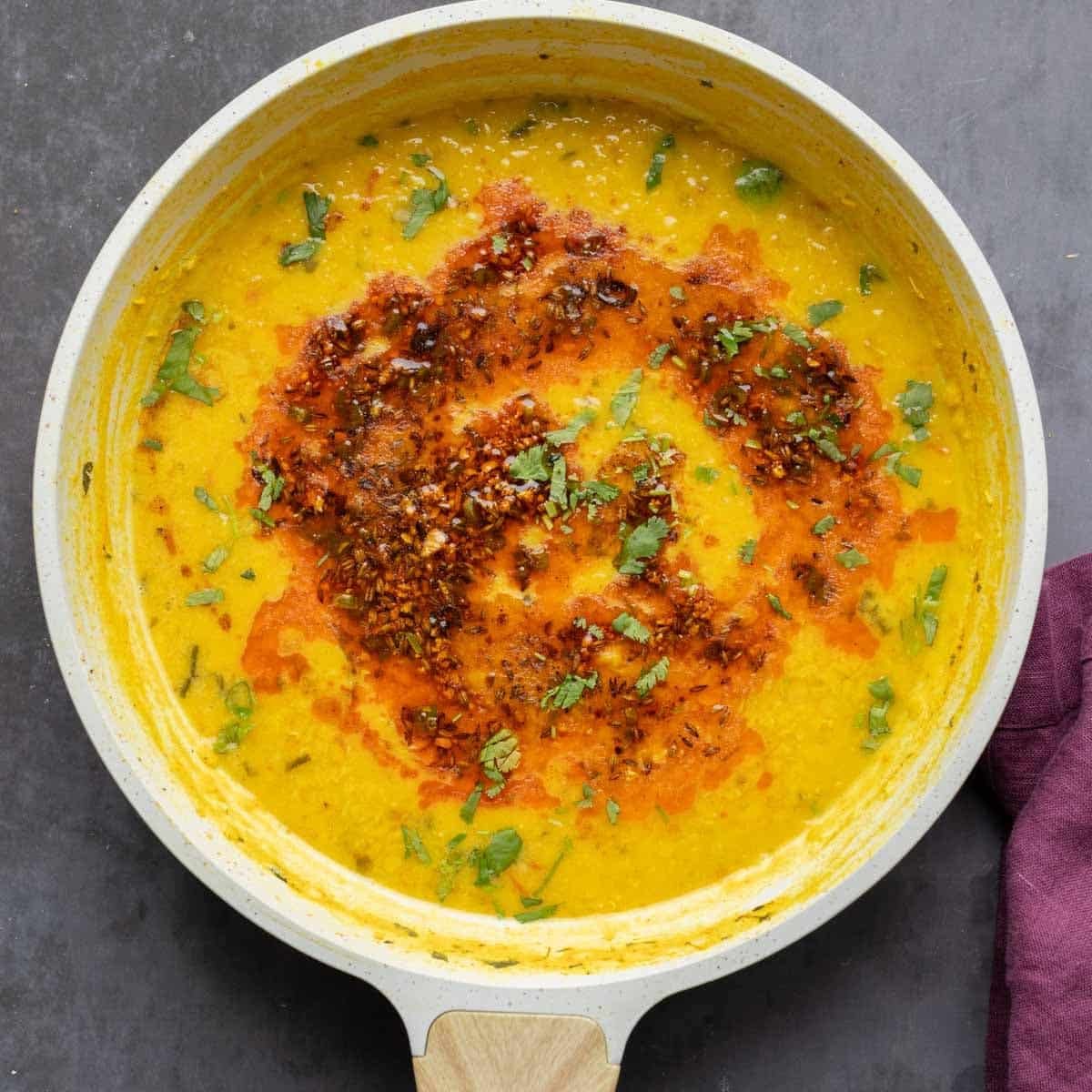
    This Easy Jeera dal converts simple ingredients into incredible flavor! Red lentils cooked to creamy and scented with sizzling cumin, garlic, chili oil tadka. (gluten-free, soy-free, nut-free) 22 G fiber 18 g Protein!

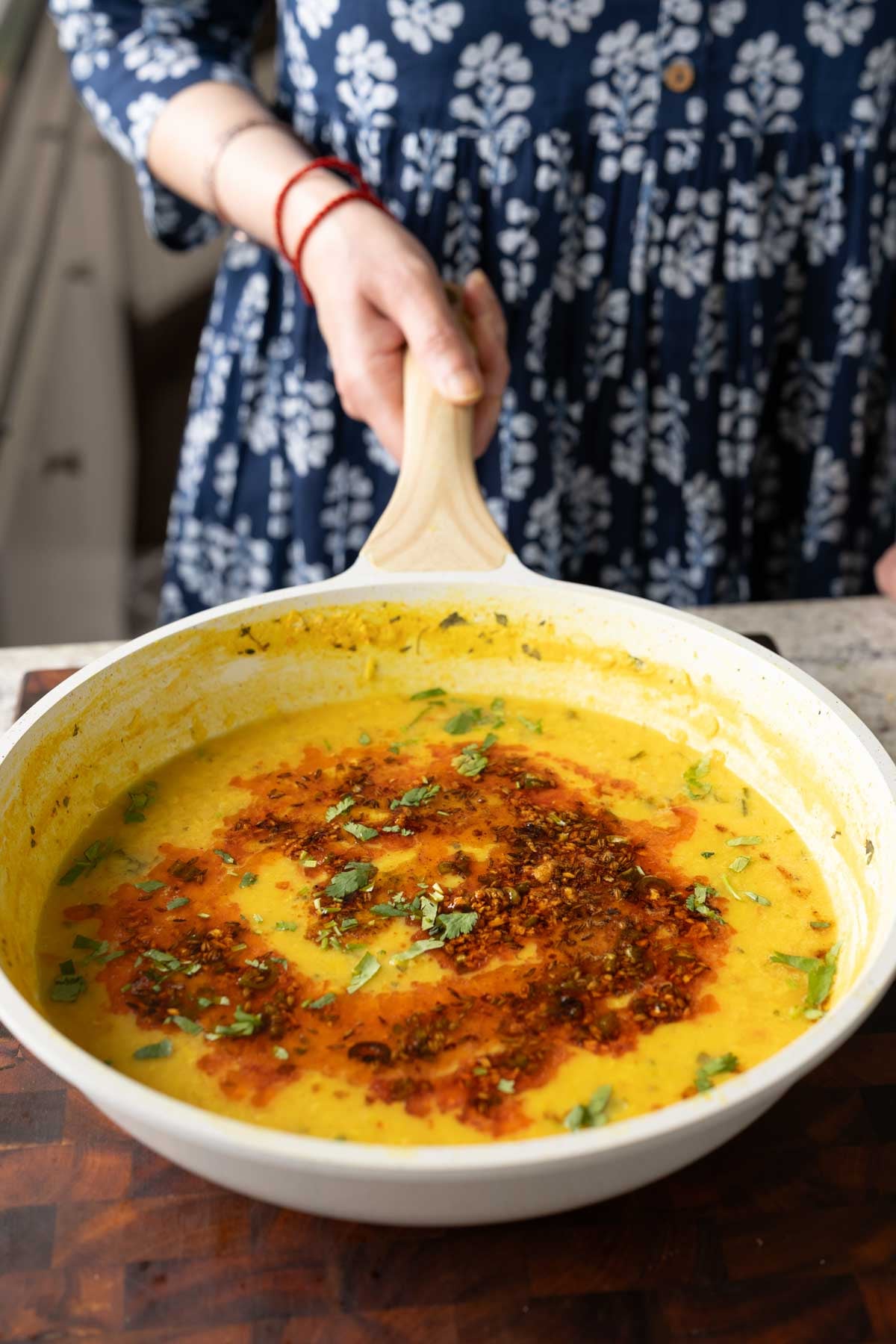
    hand holding a pan of jeera dalhand holding a pan of jeera dal

    Jeera means cumin, and dal means lentils. Together, they create a simple meal that doesn’t sacrifice flavor. This is a simple cumin-scented lentil soup that’s cozy and satisfying.

    This is a simple recipe with everyday ingredients, but it makes such a delicious dal. It’s one of the simple, home-style dals that my mom used to make often.

    plate of jeera dal with a side of cauliflower and potatoesplate of jeera dal with a side of cauliflower and potatoes

    I changed it up a little to make it slightly spicier and creamier with some non-dairy yogurt. If you cook the dal long enough, it becomes creamy on its own, so if you don’t want to add non-dairy yogurt, that works just as well.

    We make this simple dal with red lentils (masoor dal), along with tomato and dried fenugreek leaves. While the lentils cook, we make an amazing tadka, which is a spiced oil with cumin seeds, green chili, and garlic. That tadka takes the dal to the next level!

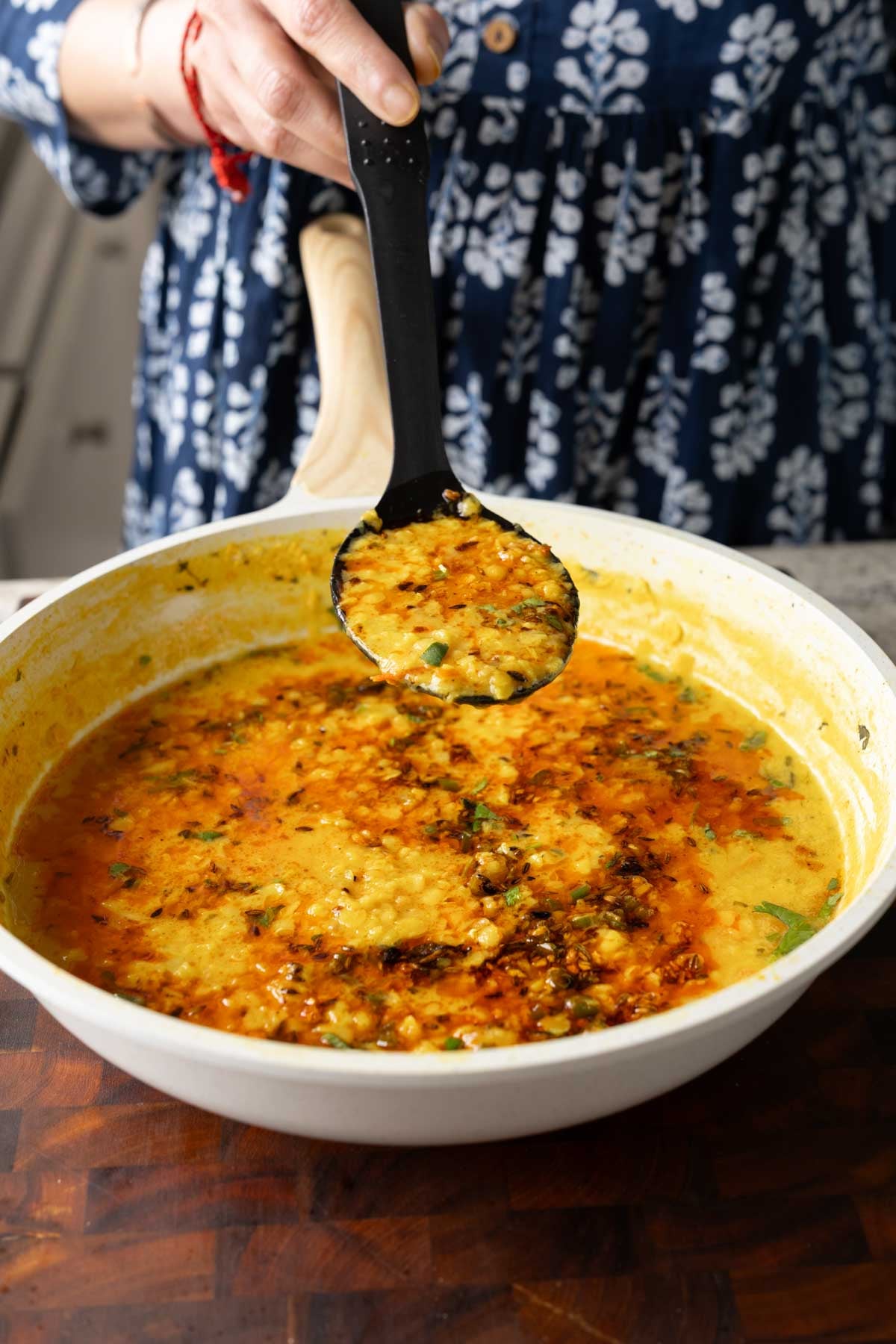
    spoon serving jeera dal from the panspoon serving jeera dal from the pan

    Why You’ll Love Jeera Dal

    • easy to make with simple ingredients
    • 30-minute recipe with tons of flavor
    • while the lentils simmer, make the quick cumin spiced oil
    • naturally gluten-free, soy-free, and nut-free
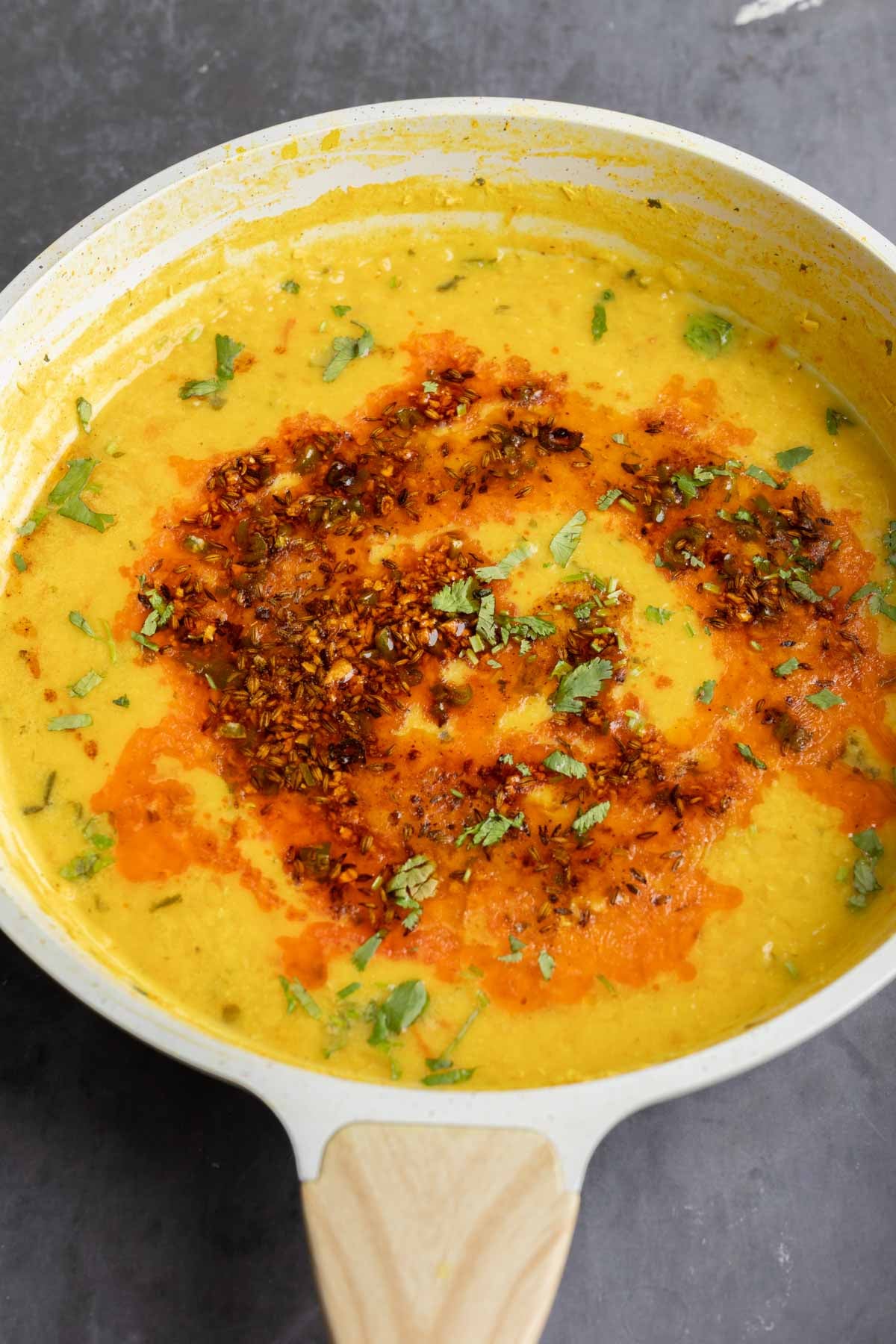
    jeera dal in the pan after cooking and adding the spiced oiljeera dal in the pan after cooking and adding the spiced oil

    For the Spiced Oil (Tadka)

    Prevent your screen from going dark

    Make the dal.

    • Wash the lentils well to remove any dirt or excess starch, then drain them.

    • Add the lentils to a saucepan along with the chopped tomato, dried fenugreek leaves, turmeric, salt, and the water or vegetable stock. Partially cover the pan, and cook over medium heat until the lentils are cooked to your preference. This can take anywhere from 11 to 20 minutes. Stir occasionally, and check whether the pan is drying out too much. Add more water or stock, as needed.

    • Once the lentils are cooked, stir them briskly so they begin to break down and make the dal a bit creamy. How much you stir depends on the texture you prefer. If you like a traditional creamy dal, cook the lentils longer and stir until they break down almost completely. If you prefer more texture, stop cooking once the lentils are tender and mix lightly without completely breaking down the lentils.

    • For extra creaminess, stir in the non-dairy yogurt, cook for 1 minute, and then switch off the heat.

    Meanwhile, make the tadka.

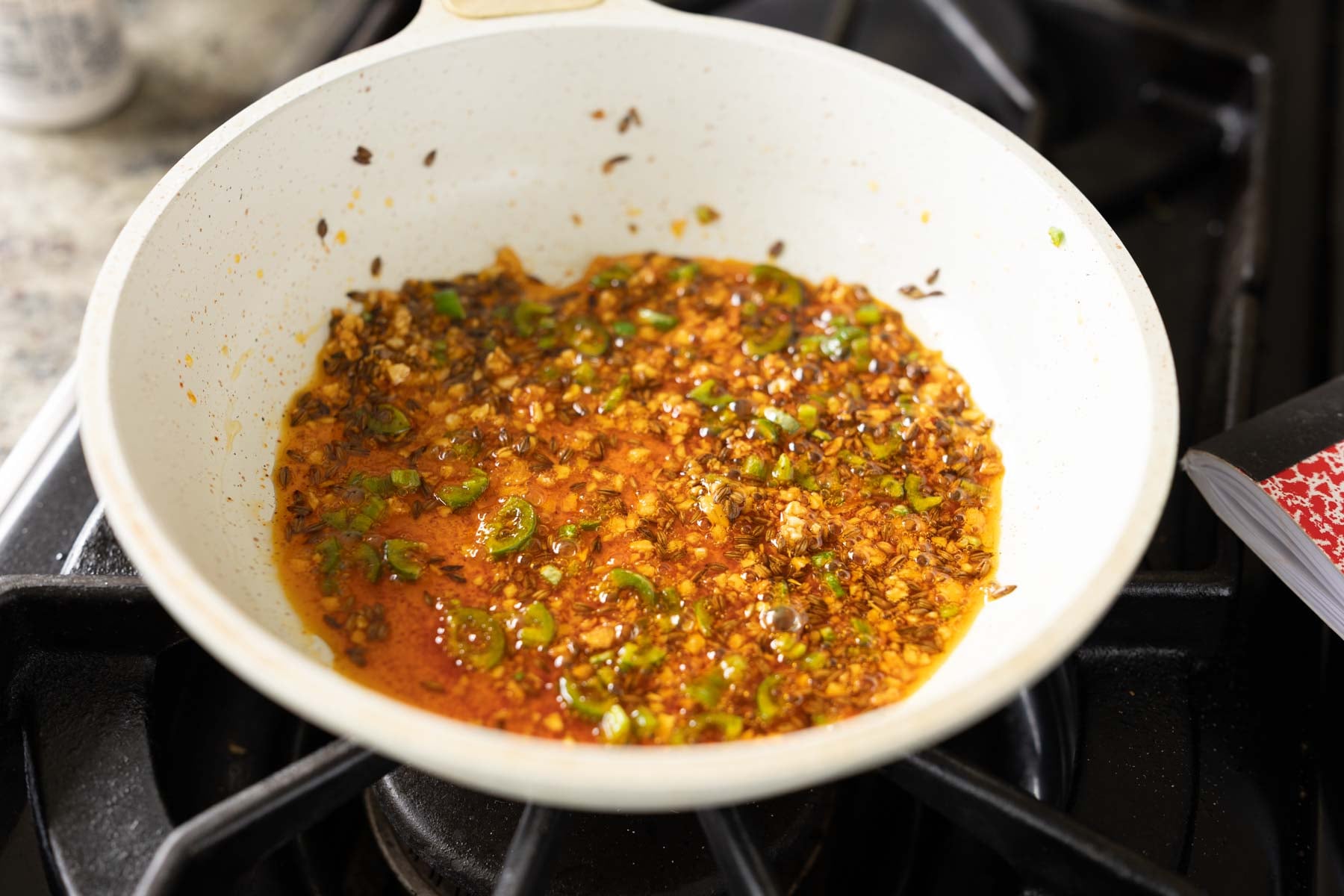
    • To make the spiced oil, heat the oil in a small skillet over medium heat. Once the oil is hot, add the cumin seeds and cook until they have changed color significantly. This can take anywhere from 30 seconds to 2 minutes, depending on your pan and stove.

    • Reduce the heat to medium-low. Add the garlic and green chili and cook for about 30 seconds, or until the garlic starts to turn golden. Add the asafoetida/hing, if using, and immediately switch off the heat. Then, stir in the Kashmiri chili powder.

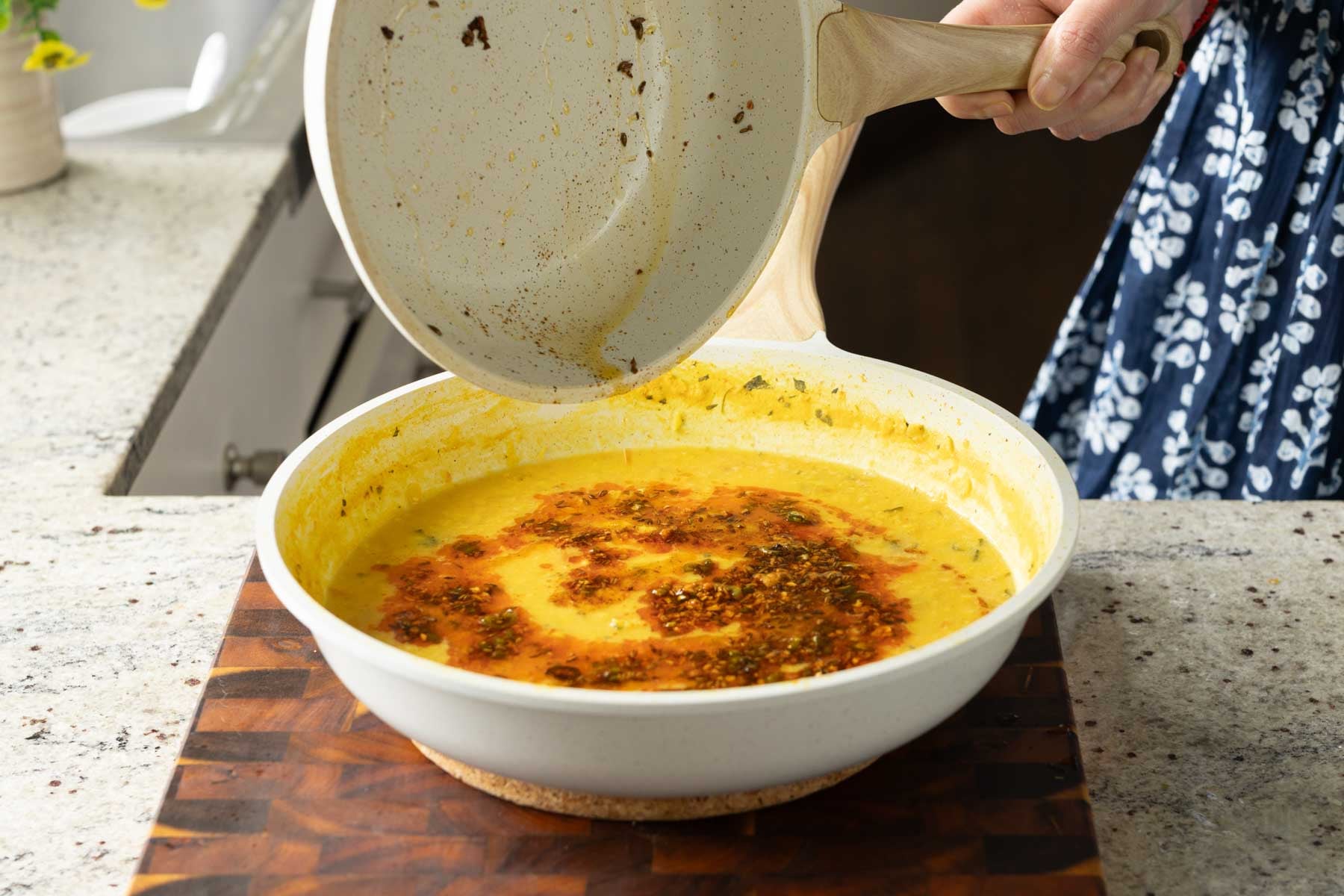
    • Immediately pour the hot tadka over the dal. Lightly mix it in. You want some of the spiced oil to remain floating on top, because it makes the dal look beautiful, but you also want to stir some of it into the dal, so it adds all of those delicious flavors into the soup. Garnish with chopped cilantro and a squeeze of lime juice. Serve immediately with rice, roti, or naan, alongside an Indian vegetable dish such as aloo gobi, aloo gobi matar, cabbage and peas, or an okra and onion stir-fry.

    How long you need to cook the lentils depends on your pan, stove, and preference. It also depends on how old the lentils are. Older lentils will take longer to soften.
    This simple dal is naturally gluten-free, nut-free, and soy-free, as long as you omit the non-dairy yogurt or choose one that is soy-free and/or nut-free.

    Calories: 332kcal, Carbohydrates: 47g, Protein: 19g, Fat: 8g, Saturated Fat: 1g, Polyunsaturated Fat: 2g, Monounsaturated Fat: 5g, Sodium: 692mg, Potassium: 775mg, Fiber: 22g, Sugar: 4g, Vitamin A: 495IU, Vitamin C: 14mg, Calcium: 87mg, Iron: 6mg

    Nutrition information is automatically calculated, so should only be used as an approximation.

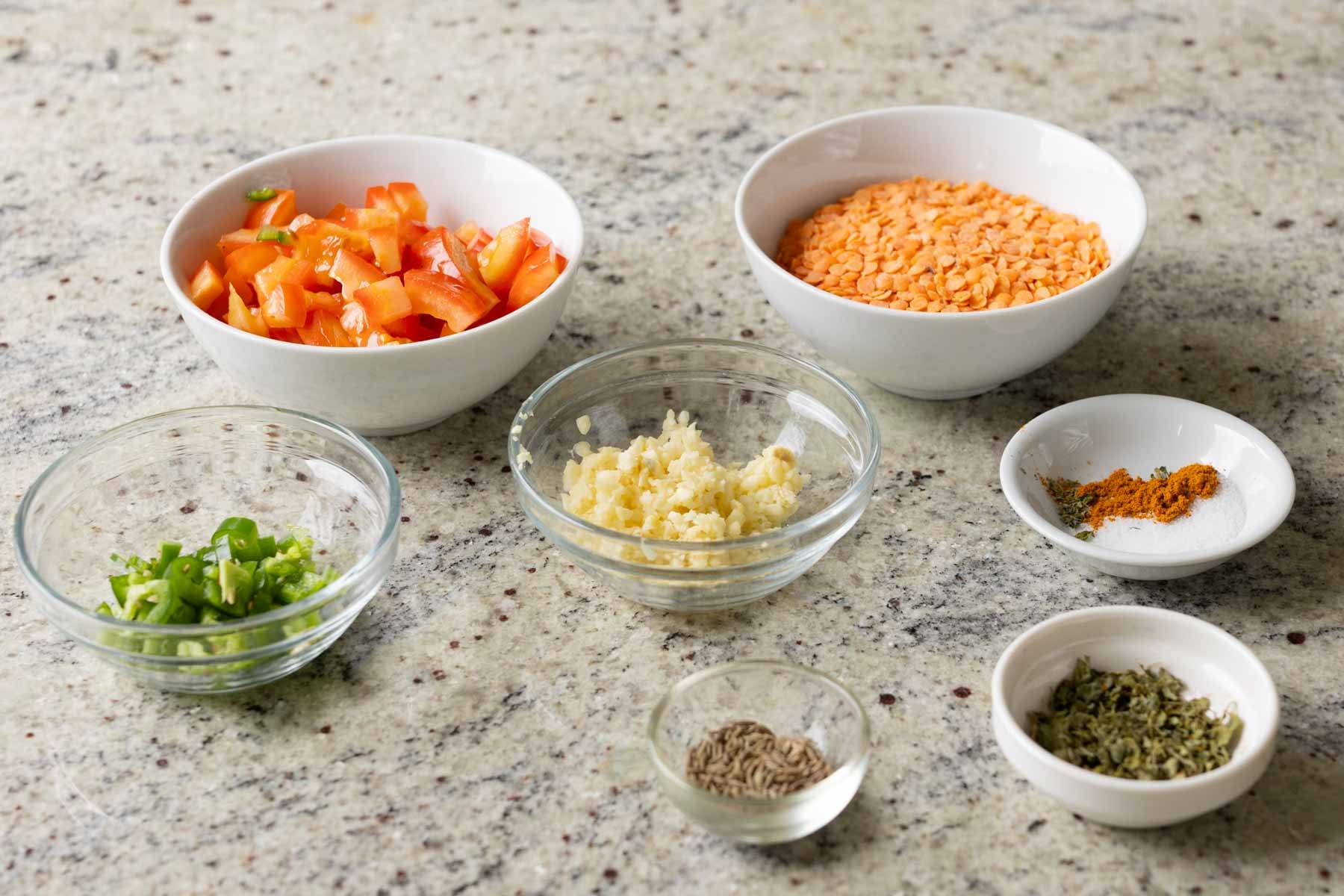
    Jeera dal ingredients on the kitchen counterJeera dal ingredients on the kitchen counter

    Ingredients

    • split red lentils – Also called masoor dal, these cook up quickly on the stovetop and are the base for this jeera dal recipe.
    • tomato – Adds color, moisture, and umami.
    • dried spices – For the dal, you. need dried fenugreek leaves, turmeric, and salt. For the tadka, you need kashmiri chili powder. You can also add hing/asafoetida to the tadka, if you like.
    • water or stock – To cook the lentils.
    • oil – To toast the cumin seeds and sauté the aromatics for the tadka.
    • cumin seeds – Whole cumin seeds add an aromatic flavor to the spiced oil.
    • garlic – For even more flavor!
    • non-dairy yogurt – Optional, for even creamier dal.
    • garnishes – Top the jeera dal with chopped cilantro and a squeeze of lime juice.

    💡Tips

    • Don’t skip washing the lentils! You don’t want them to be too starchy or gritty.
    • Keep an eye on the dal as it is cooking. Depending on your pan, stove, and lentils, you may need to add some extra water/stock during the cooking process.
    • How long you need to cook the lentils depends on your pan, stove, and preference. It also depends on how old the lentils are. Older lentils will take longer to soften.

    How to Make Cumin Dal

    Wash the lentils well to remove any dirt or excess starch, then drain them.

    Add the lentils to a saucepan along with the chopped tomato, dried fenugreek leaves, turmeric, salt, and the water or vegetable stock. Partially cover the pan, and cook over medium heat until the lentils are cooked to your preference. This can take anywhere from 11 to 20 minutes. Stir occasionally, and check whether the pan is drying out too much. Add more water or stock, as needed.

    Once the lentils are cooked, stir them briskly so they begin to break down and make the dal a bit creamy. How much you stir depends on the texture you prefer. If you like a traditional creamy dal, cook the lentils longer and stir until they break down almost completely. If you prefer more texture, stop cooking once the lentils are tender and mix lightly without completely breaking down the lentils. For extra creaminess, stir in the non-dairy yogurt, cook for 1 minute, and then switch off the heat.

    To make the spiced oil, heat the oil in a small skillet over medium heat. Once the oil is hot, add the cumin seeds and cook until they have changed color significantly. This can take anywhere from 30 seconds to 2 minutes, depending on your pan and stove.

    Reduce the heat to medium-low. Add the garlic and green chili and cook for about 30 seconds, or until the garlic starts to turn golden. Add the asafoetida/hing, if using, and immediately switch off the heat. Then, stir in the Kashmiri chili powder.

    tadka after cookingtadka after cooking

    Immediately pour the hot tadka over the dal. Lightly mix it in. You want some of the spiced oil to remain floating on top, because it makes the dal look beautiful, but you also want to stir some of it into the dal, so it adds all of those delicious flavors into the soup. Garnish with chopped cilantro and a squeeze of lime juice.

    swirling the cumin tadka over the dalswirling the cumin tadka over the dal

    What to Serve with Jeera Dal

    Serve jeera dal with rice, roti, or naan, alongside an Indian vegetable dish such as aloo gobi, aloo gobi matar, cabbage and peas, or an okra and onion stir-fry.

    plate of jeera dal with a side of cauliflower and potatoesplate of jeera dal with a side of cauliflower and potatoes

    Frequently Asked Questions

    Is this recipe allergy friendly?

    Jeera dal is naturally gluten-free, nut-free, and soy-free, as long as you omit the non-dairy yogurt or choose one that is soy-free and/or nut-free.

    Credit: Source link
  • What’s in My Herbal Purse Kit?

    What’s in My Herbal Purse Kit?

    There are so many first-aid kits available that you can pick one up almost anywhere. But do they have what you need? And, just as importantly, do you know how to use what’s inside?


    When my kids
    were small, I created a little herbal first-aid kit that I started carrying in my purse. We were always out on adventures, and I wanted to be prepared for the everyday issues that came up—cuts, scrapes, spider bites, bee stings, allergy issues, tummy troubles, headaches, anxiety, and all the little things that happen when you’re out and about with kids.


    My “Purse Kit” became very well known at park days, and other moms would send their kids to me whenever something came up. I was always happy to share, and I was grateful that I had planned ahead and knew what to reach for.


    I still carry my purse kit today, and it continues to come in handy!


    Tara’s Purse Kit

    Cayenne Pepper: Cayenne is one of my favorite herbs to have on hand. It supports circulation, can be useful for minor bleeding, and is wonderful for digestive support—and it’s great on food! I keep a small container of
    powdered cayenne and a small 1-ounce cayenne tincture in my kit.


    Sensei Ointment: This is great for headaches, sore muscles, stings, and bites. I also use it for stuffy noses by smelling it or rubbing a little over the bridge of the nose or sinus area. Sometimes I’ll even put a little on my back teeth when I feel a sore throat
    coming on.


    Healing Ointment: I always have some sort of healing ointment on hand—Complete Tissue and Bone, another ointment I’ve made with antiseptic and healing herbs, or plantain ointment. I usually carry both!


    Kid-E-Soothe and Nettle Tincture: We have used these frequently for my daughter’s food allergies and for anyone else experiencing seasonal, plant or animal allergies while we’re out and about on field trips.


    Bach Flower Rescue Pastilles: Sometimes things happen, and Rescue
    Pastilles are helpful for taking the edge off a difficult or stressful situation.


    Homeopathics: Arnica montana for injuries, Apis mellifica for allergies, Carbo veg for upset stomachs, and Oscillococcinum in case we inadvertently run into someone who is sick.


    Essential Oils: Lavender for blisters and to help calm people down, and peppermint for an upset stomach, stuffy sinuses, and circulation.


    Band-Aids: All sorts of sizes for the inevitable little
    injuries.


    Tweezers: Always useful when you’re out and about.


    Cough Drops: Because you never know when you’ll need one!


    Make Your Own

    I encourage you to take some time and make your own herbal first-aid kit. This is also a great time of year to put one together for kids heading back to school.


    Be thoughtful about what you include, and make sure you know how to use each item before you put it in your kit. You don’t need to carry everything—just the things you and your family are most likely to need and that you feel comfortable using.


    A little preparation can go a long
    way. With a small herbal first-aid kit tucked into your purse, backpack, or car, you can be prepared for many of the little things that pop up when you’re out and about until you can get home to the rest of your herb stash.


    And sometimes, being prepared is half the battle. 


    Tara Christopher Eyre is a Master Herbalist and Foot Zone Therapist dedicated to helping individuals reclaim their path to wellness. Carrying forward the legacy of her grandfather, Dr. John R. Christopher, she finds her greatest joy in teaching the simple, natural principles that restore both body
    and soul.


    Credit: Source link

  • The Burden of Weight Bias

    The Burden of Weight Bias

    Please note: This blog and its accompanying video discuss the important and troubling issue of weight bias and discrimination, which may be a sensitive topic for some readers.

    How might weight stigma be a vicious cycle?

    Although total fasting can dramatically increase blood levels of the stress hormone cortisol, as much as doubling within five days, dieting alone does not. There is, however, a way stress and obesity could turn into a vicious cycle: weight stigma.

    Across thousands of individuals followed for four years, those reporting discriminatory experiences had more than twice the odds of becoming obese. Those who started out obese had more than three times the odds of staying that way compared to those who started at the same weight but did not experience discrimination. Now, this could be from stress-induced eating on one side of the calorie-balance equation or stigma-induced exercise avoidance on the other.

    Obese individuals with more frequent experiences with weight stigma report greater avoidance of exercising in public, feeling judged and embarrassed. These “too fat to exercise” fears may be well-grounded. Strong anti-fat biases have been documented in both fitness professionals and regular gym-goers, “which may translate into an unwelcoming environment at fitness centers and health clubs.”

    Whichever side of the calorie equation that gets tipped, those who experience weight stigma can also end up suffering health consequences independent of any added weight. Those reporting more frequent weight-based discrimination exhibit higher levels of depression, show higher levels of inflammation, experience higher levels of oxidative stress, and have a shorter lifespan. Two studies following nearly 20,000 people both found about a 50% increase in mortality risk among those reporting greater daily discrimination. “[W]eight discrimination may shorten life expectancy.” Despite these hazards, some scholars advocate for even more fat-shaming.

    The President Emeritus of the prestigious Hastings Center infamously advocated for “a kind of stigmatization lite,” using social pressures to compel people to lose weight without resorting to “outright discrimination.” After all, he argued, what else has the potential to counter the persuasive force of the billions spent in advertising every year by the food and beverage industries? It worked against tobacco. He recalls his own battle with addiction: “The force of being shamed and beat upon socially was as persuasive for me to stop smoking as the threats to my health.” The public health campaign to stigmatize cigarette smoking turned “what had been considered simply a bad habit into reprehensible behavior.”

    When such campaigns have been tried, they have been met with fierce resistance, though. Georgia’s Strong4Life campaign featured billboards of morose-looking obese children with captions like “Warning: Chubby kids may not outlive their parents” or “It’s hard to be a little girl if you’re not,” which you can see below and at 3:16 in my video The Impacts of Weight Bias in Health Care.

    The campaign sponsors defended the ads as an attempt to break through the denial in a state with some of the highest recorded childhood obesity rates. It’s only defensible, though, if it works.

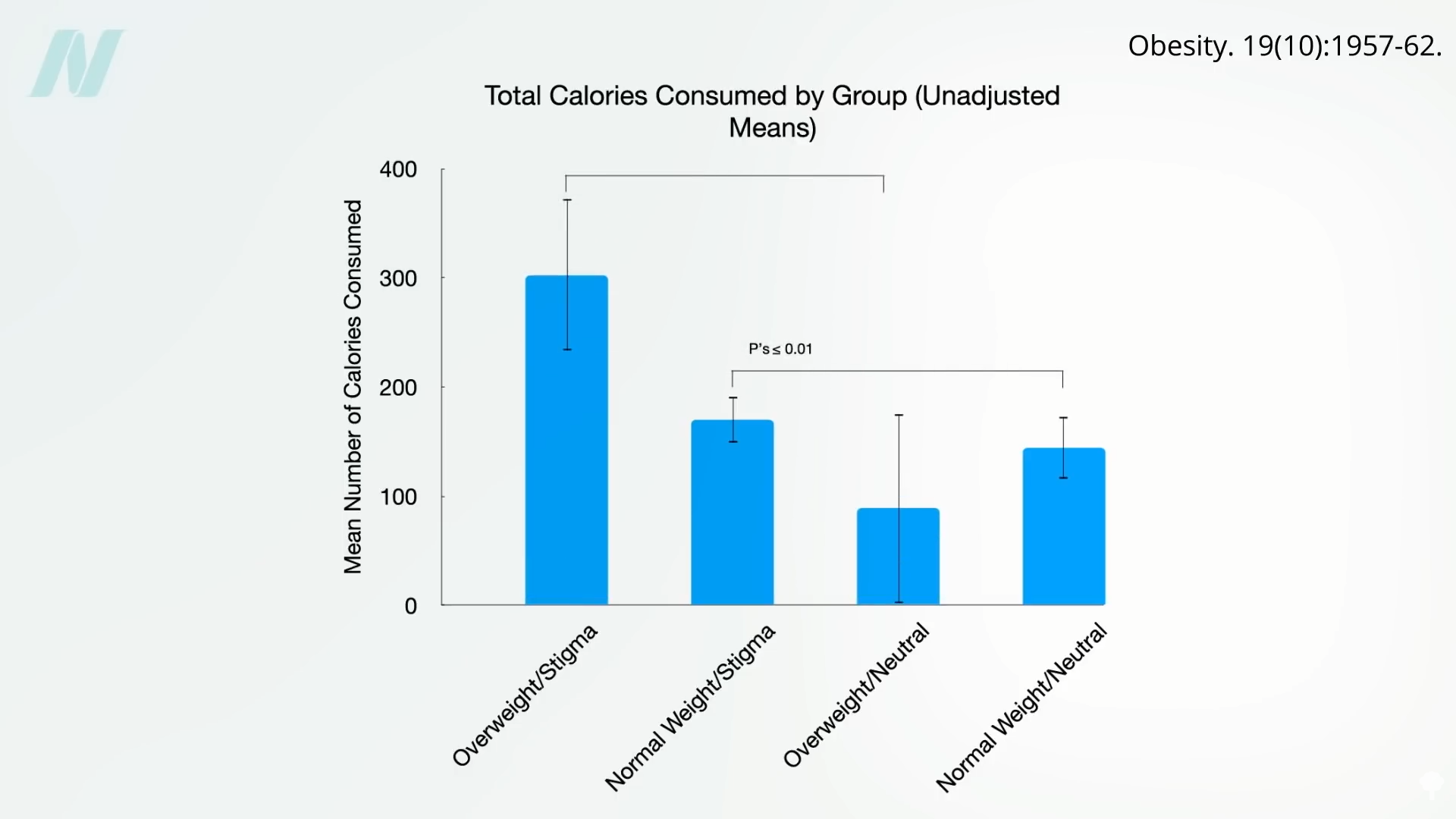
    Yale researchers found that when normal-weight women are provided with bowls of M&M’s, jelly beans, and chips to snack on after watching clips of stigmatizing material like clumsy, loud, lazy stereotypes getting teased about their weight, they eat about the same amount compared to watching neutral material, such as insurance commercials. But when overweight women watch the same two sets of videos, they triple their calorie intake after watching the stigmatizing scenes, as you can see below and at 3:56 in my video.

    The researchers concluded, “This directly challenges the notion that pressure to lose weight in the form of weight stigma will have a positive, motivating effect on overweight individuals.” In other words, it could make matters worse. Being labeled “too fat” during childhood was associated with a higher risk of becoming obese, compared to children of the same weight who were never told that. But does that mean we should just ignore concerns about obesity? Many doctors apparently think so.

    Just as veterinarians have been found to be reluctant to tell people their pets are obese, fewer than a quarter of parents of overweight children report having been told by pediatricians about their child’s weight status. One might think it would be obvious, but a Gallup Survey found that parents appear to be “notoriously poor judges of their children’s weight.” Similarly, the percentage of adults who describe themselves as overweight has remained essentially unchanged over the past few decades, despite skyrocketing obesity. “All of this helps ‘paint a picture of mass delusion in the United States about its rising weight,’” Gallup concluded.

    I think patients have the right to be informed. Those told by their doctor that they are overweight have about four times the odds of attempting weight loss and about twice the odds of succeeding.

    Just as smoking physicians are less likely to challenge their smoking patients, overweight physicians are less likely to bring up the subject of weight loss or even document obesity in their charts.

    Ironically, overweight patients trust diet advice from overweight doctors more than from doctors of normal weight. Unfortunately, primary care physicians appear to have little to offer in terms of specifics. Fewer than half who were surveyed said they provide specific advice to their patients. Just telling patients to “watch what they eat” is unlikely to be particularly helpful, but many primary care physicians may not even go that far. Most physicians said they would spend more time working with patients on weight management if only their time was “reimbursed appropriately.” Maybe we could offer a bonus to refrain from blaming the victim. As one pair of commentators wrote in response to the pro-stigma camp, “If shaming reduced obesity, there would be no fat people.”

    I want to end this weight stigma series with the jaw-dropping findings of a study that I think best illustrates how hard it is to live inside an obese body. If this doesn’t foster sympathy among my medical colleagues, I don’t know what will. Researchers talked to men and women who had lost and kept off more than 100 pounds to tap into their unique insight, having personally experienced what it was like to be morbidly obese and then, on average, 126 pounds lighter. Forty-seven people were interviewed.

    They were asked to think back to when they were heavier and make a choice: “If someone offered you a couple of million dollars if you stayed morbidly obese forever, would you have chosen the money? Or would you have chosen to be normal weight no matter what?”

    Option 1 was “I would have chosen no money and being normal weight. It would have taken me one second to decide.” Option 2: “I probably would have chosen being normal weight. But the possibility of having that much money would make me think about the choice.” Option 3: “I wanted to be normal weight, but I could really use the money. If I could be a multimillionaire, I think I could live with being morbidly obese.”

    One of the 47 had to think about it, but the other 46 jumped at option 1. No one chose option 3. They all said they would give up being a multimillionaire to be normal weight.

    If that shocked you, buckle your seatbelts. They were then asked about being obese compared to other disabilities. Normally, when you ask people to choose between living with their own disability or switching to a different one, there is a strong proclivity to prefer their existing condition. For example, even though most people would rather be deaf than blind, blind people prefer to remain blind by a large margin, rather than having sight without sound. They already know how to live with their own disability, so there’s safety in familiarity. However, the exact opposite happened when the 47 formerly obese individuals were asked to choose.

    Every single one of the 47 said they’d rather be deaf, dyslexic, diabetic, or have very bad acne or heart disease for the rest of their lives than be obese. More than 90% said they’d rather have a leg amputated, and similarly, about 9 out of 10 said they’d rather be legally blind than be obese. Obesity appears to be the only handicap where nearly everyone wants to switch, no matter what the cost. To quote one person in the study: ”When you’re blind, people want to help you. No one wants to help you when you’re fat.”

    Doctor’s Note

    If you missed the previous installment in this two-part series, see Weight Bias in Health Care. The information is drawn from my book How Not to Diet. 


    Credit: Source link
  • Canada Loses Measles Free Status After Nearly 30 Years as US Risk Grows

    Canada Loses Measles Free Status After Nearly 30 Years as US Risk Grows

    Last updated on

    For almost three decades, Canada stood as a model for successful disease control, celebrated for its near-perfect record of keeping measles at bay. That record was broken when health officials confirmed that Canada had officially lost its measles elimination status, becoming the first country in the Americas to do so since the COVID-19 pandemic. The Pan American Health Organization (PAHO) made the announcement in late 2025 after determining that the same strain of the measles virus had been spreading continuously within Canada for more than a year.

    The news has raised concern not just within Canada but across the continent, especially in the United States, where declining vaccination rates have created fertile ground for outbreaks. The question is no longer hypothetical. With more than 1,600 measles cases reported in the U.S. this year alone, could America be next to lose its elimination status? The answer depends not only on vaccines but also on public trust, access to care, and community-level health decisions that ripple across generations.

    What “Elimination Status” Really Means

    To understand the significance of this development, it is important to clarify what “elimination” actually means in public health terms. Elimination does not mean a disease has been wiped off the planet. That is eradication, and only one disease, smallpox, has ever achieved that distinction. Elimination refers to a state in which a disease no longer spreads continuously within a country or region. In simple terms, imported cases can occur, but sustained community transmission cannot.

    Canada achieved elimination in 1998, two years before the United States. For years, both countries enjoyed the security that came with high vaccination coverage. But in 2024, the chain of protection began to fray. The current outbreak, which began in New Brunswick, has now reached more than 5,000 confirmed cases. Two babies, infected while still in the womb, were born prematurely and did not survive. According to Dr. Jarbas Barbosa, head of PAHO, this loss of status represents a setback but not a permanent defeat. He emphasized that elimination can be restored once transmission is halted and vaccination rates are brought back up to the threshold needed for herd immunity. Canada’s Public Health Agency has already outlined a plan to strengthen vaccination programs and disease surveillance. Yet the challenge runs deeper than logistics. It involves confronting misinformation and reestablishing public confidence in science and health institutions.

    A Region on Edge

    The resurgence of measles is not confined to Canada. Across the Americas, cases have multiplied at an alarming rate. As of late 2025, more than 12,000 confirmed infections have been reported throughout the region, thirty times higher than in the previous year. The majority of those cases have been concentrated in Canada, Mexico, and the United States, signaling a troubling regional pattern.

    In Mexico, nearly 4,000 people have been infected since February, and the outbreak in the northern state of Chihuahua accounts for more than ninety percent of those cases. Twenty-three deaths have already been confirmed. South of the U.S. border, health authorities are scrambling to contain community transmission and prevent further spread into Central America.

    Meanwhile, in the United States, measles has made a fierce comeback. What began in January as an isolated outbreak in West Texas quickly spread to neighboring New Mexico and beyond. By autumn, 41 states had reported confirmed cases. Three Americans, including two young girls, have died. According to the Centers for Disease Control and Prevention, the 1,681 confirmed cases recorded in 2025 mark the highest national total in more than thirty years. The virus has exploited the cracks in the nation’s vaccine coverage, which has steadily declined since 2019.

    Why Vaccination Rates Are Falling

    The drop in vaccination rates is one of the most pressing health challenges of our time. It cannot be blamed on a single cause but rather on an interconnected web of cultural, social, and systemic factors. The COVID-19 pandemic disrupted pediatric care, delaying or canceling countless routine vaccinations. Many families missed scheduled checkups and have yet to catch up. At the same time, misinformation about vaccines spread widely on social media, filling the void left by overwhelmed health systems.

    In some cases, vaccine hesitancy has been fueled by distrust in government institutions or pharmaceutical companies. In others, it stems from religious or philosophical beliefs, or simply the belief that measles is a harmless childhood illness. The truth is that measles is not harmless. It is one of the most contagious viruses known, capable of infecting ninety percent of unvaccinated people who come into contact with it. A single case in an unprotected community can ignite a large outbreak within weeks.

    Access also plays a role. Rural and low-income areas often have fewer healthcare providers and lower public health funding. Parents who want to vaccinate their children may face logistical barriers, from long travel distances to scheduling conflicts. Without strong community outreach and education, those small obstacles add up to widespread vulnerability.

    Why Measles Still Matters

    To understand why health experts are so alarmed, it helps to remember what measles can do to the human body. The virus spreads through droplets released when an infected person coughs or sneezes and can linger in the air for up to two hours after that person has left the room. Anyone entering that space without immunity is almost guaranteed to be infected.

    Symptoms typically begin with high fever, cough, runny nose, and red, watery eyes, followed by a rash that spreads over the body. But the danger goes far beyond the rash. Measles can cause severe complications, including pneumonia, brain inflammation, and permanent hearing loss. In some cases, it can even lead to death. Children, pregnant women, and people with weakened immune systems are especially vulnerable.

    Another lesser-known consequence is the virus’s effect on long-term immunity. Measles can actually erase the body’s immune memory, making people more susceptible to other infections for months or even years afterward. This phenomenon, known as “immune amnesia,” is one reason why public health experts consider measles outbreaks a serious setback for overall community health.

    A Global Step Backward

    Canada’s loss of elimination status also has symbolic meaning. When one country in the Americas loses its status, the entire region is considered to have lost it collectively. It signals to the world that decades of progress toward disease control are beginning to unravel. According to PAHO, vaccination coverage for both doses of the measles-mumps-rubella vaccine across the Americas averaged just seventy-nine percent in 2024. That is far below the ninety-five percent threshold needed to prevent outbreaks.

    Globally, the trend is similar. The World Health Organization has reported rising measles activity in more than 150 countries, particularly in regions of conflict, displacement, or vaccine shortages. Experts warn that if current patterns continue, the virus could regain the strong foothold it once held before the introduction of the vaccine in the 1960s.

    This backslide underscores how fragile progress can be when public health systems lose funding, coordination, or credibility. Eradication may be a distant goal, but elimination requires constant vigilance.

    Rebuilding Immunity and Restoring Trust

    Public health authorities are now racing to repair the gaps in immunity through catch-up vaccination programs, community education, and better disease surveillance. But the fight is not just about logistics. It is about rebuilding the relationship between science and society.

    Rebuilding immunity starts with accurate information. Misinformation spreads faster than any virus, and the only effective antidote is education that meets people where they are. Community leaders, faith-based organizations, and healthcare providers all have a role in rebuilding trust. Transparent communication about vaccine safety, benefits, and side effects is essential. People do not just need facts; they need context, empathy, and reassurance that their concerns are heard.

    Healthcare systems also need support. Many regions lack adequate staff and infrastructure for large-scale vaccination drives. Mobile clinics, school-based immunization programs, and partnerships with local organizations can make vaccines more accessible to families who face barriers.

    Strengthening Immunity Naturally

    While vaccines remain the cornerstone of measles prevention, strengthening the immune system through nutrition and lifestyle is equally valuable for overall health. A strong immune system helps the body respond more effectively to infections and vaccinations alike.

    Start with food. A diet rich in vitamins A, C, and zinc supports the immune response and can shorten recovery time when illness strikes. Foods like carrots, citrus fruits, bell peppers, spinach, and almonds provide essential nutrients that protect cells from oxidative stress. Vitamin A is particularly important in the context of measles because deficiency has been linked to more severe cases in children.

    Gut health also matters. Roughly seventy percent of the immune system resides in the gut. Incorporating probiotic-rich foods such as yogurt, kefir, miso, and sauerkraut can improve the balance of beneficial bacteria that support immunity.

    Sleep and stress management are often overlooked but play powerful roles. Chronic stress releases cortisol, a hormone that suppresses immune function. Mindfulness, meditation, and moderate physical activity help regulate this response. Meanwhile, consistent, quality sleep gives the body time to regenerate immune cells and strengthen its defenses.

    Finally, limit processed foods and added sugars. Excessive sugar intake has been shown to weaken immune response by reducing the activity of white blood cells. Choosing whole, nutrient-dense foods helps maintain stable energy levels and supports the body’s natural defense mechanisms.

    The Fragility of Collective Protection

    Canada’s experience reveals how quickly progress can unravel when vaccination coverage declines. Herd immunity is not a permanent shield; it is a living agreement among citizens to protect one another. Once too many people opt out, that protection collapses, and the consequences can be devastating.

    The United States now faces a similar test. With cases rising, regional clusters forming, and vaccine hesitancy spreading, the country could lose its elimination status just as Canada did. Preventing that outcome requires cooperation, empathy, and a renewed sense of shared responsibility. Public health measures and natural wellness practices are not opposing forces. They are complementary parts of the same goal: keeping communities healthy, strong, and connected.

    The future of measles control will depend on whether societies can rebuild both immunity and trust. Science provides the tools, but only collective action will determine whether they are used in time.

    Some of the links I post on this site are affiliate links. If you go through them to make a purchase, I will earn a small commission (at no additional cost to you). However, note that I’m recommending these products because of their quality and that I have good experience using them, not because of the commission to be made.

    Credit: Source link

  • Research Shows Fermented Stevia Can Target Cancer Cells While Sparing Healthy Tissue

    Research Shows Fermented Stevia Can Target Cancer Cells While Sparing Healthy Tissue

    Last updated on


    Pancreatic cancer is one of the toughest cancers to treat. Most people diagnosed with it face a difficult journey, with less than 10% surviving beyond five years. This alarming number has pushed researchers to search for new and creative ways to fight this deadly disease. One new study from 2025 may have found something remarkable: inside a simple plant we already know from our kitchen, stevia.


    A team of scientists discovered that when stevia, the popular natural sweetener, is fermented using healthy bacteria, it produces a compound that can kill pancreatic cancer cells in the lab without harming healthy cells. This exciting research, published in the International Journal of Molecular Sciences, could someday help shape new treatments for one of the deadliest cancers known.


    How a Sweet Plant Became a Cancer Fighter


    You may already know stevia as a natural sugar substitute, often used by people looking to cut back on sugar. But this study looked at stevia in a completely different way. Researchers found that when they fermented stevia leaves with a probiotic called Lactobacillus plantarum (the same kind of “good bacteria” found in yogurt and fermented foods), something powerful happened.


    This fermentation process transformed the regular Stevia Leaf Extract into what the scientists call Fermented Stevia Leaf Extract (FSLE). The FSLE showed stronger cancer-fighting power than plain stevia extract in lab-grown pancreatic cancer cells. Even more interesting, it left normal, healthy cells largely untouched. In other words, the fermentation process changed stevia from a natural sweetener into a potential medical breakthrough.


    The Secret Behind the Transformation


    So what makes fermented stevia special? The answer lies in a natural plant compound called chlorogenic acid, found in stevia leaves. During fermentation, the probiotics acted like tiny chefs, turning this chlorogenic acid into a new compound called chlorogenic acid methyl ester, or CAME for short.


    CAME appears to be the real cancer-fighting ingredient. While chlorogenic acid is already known for its antioxidant properties, the fermentation process supercharges it, giving it a new structure and stronger effects. The researchers saw that the fermented version was far more active in stopping the growth of pancreatic cancer cells in a petri dish than the unfermented version.


    To put it simply, fermentation acted like a natural “upgrade,” unlocking hidden potential in the plant. This is similar to how fermentation can make certain foods, like kimchi or yogurt, easier to digest and more nutritious for your gut.


    Three Ways Fermented Stevia Targets Cancer Cells


    The study found that the newly created compound CAME fights pancreatic cancer in three main ways:


    1. It slows down cancer cell growth. CAME blocks the cancer cells from dividing and multiplying. In simple terms, it keeps them “stuck” in place so they can’t grow or spread quickly. Think of it as pressing the pause button on cancer cell growth.


    2. It helps the cancer cells self-destruct. CAME triggers what’s called programmed cell death, a natural process where damaged or unhealthy cells break down and disappear. It changes the balance of certain genes that tell a cell whether to survive or die, essentially encouraging the cancer cells to destroy themselves.


    3. It may stop cancer from spreading. One of the reasons pancreatic cancer is so deadly is its ability to spread quickly to other organs. CAME seems to boost levels of a protein called E-cadherin, which helps cells stick together. This may prevent cancer cells from detaching and moving to new areas of the body.


    A More Precise Attack on Cancer


    One of the most promising parts of this study is that the fermented stevia extract seemed to attack only the cancer cells while leaving normal, healthy cells unharmed. That kind of selectivity is rare and valuable in cancer research since most treatments today, like chemotherapy, also damage healthy cells, causing difficult side effects such as nausea, fatigue, and hair loss.


    Imagine if future cancer treatments could target only cancer cells and leave the rest of the body intact. That would mean fewer side effects, faster recovery, and a better quality of life for patients. This study gives hope that natural substances could someday inspire gentler, more targeted cancer therapies.


    A Note of Caution


    Even though the study’s results are exciting, the scientists remind us that this discovery is still in its early stages. The experiments were done in cell cultures, not in animals or humans. That means we don’t yet know if the compound would survive inside the body or work the same way in real life.


    In fact, CAME may break down quickly once it enters the digestive system. Our bodies have enzymes that could dismantle it before it reaches any tumor cells. The next step for scientists will be to test CAME in animal studies to see how it behaves inside a living system. Only then can researchers understand whether this natural compound has real potential as a cancer therapy.


    Your Action Plan for Better Health


    While this fermented stevia compound is not available as a supplement or medicine, the good news is that both probiotics and plant-based antioxidants are already part of a healthy diet. And for families, especially busy moms or adults looking to stay healthy, small changes can make a big difference.


    Here’s how you can take inspiration from this study in your own life:


    1. Add more probiotic foods to your diet. Probiotics are the “good bacteria” that keep your gut healthy and support your immune system. You can find them in yogurt, kefir, sauerkraut, kimchi, and other fermented foods. These foods help balance your gut bacteria and may even play a role in lowering inflammation in the body.


    2. Eat a colorful, plant-rich diet. Chlorogenic acid and similar compounds are found in many everyday foods, especially fruits, vegetables, coffee, and tea. Try to include a rainbow of foods like apples, pears, berries, artichokes, and leafy greens in your meals. These provide antioxidants that help protect your cells from damage and can boost your long-term health.


    3. Limit added sugars and processed foods. While stevia is often used as a sugar alternative, it’s best to use all sweeteners in moderation. A diet high in added sugars can feed inflammation and increase the risk of chronic diseases like diabetes, heart disease, and cancer. Focus instead on whole, nutrient-dense foods that nourish your body.


    4. Make small, consistent changes. You don’t need to overhaul your diet overnight. Start by swapping one sugary drink for water or tea, or adding a serving of fermented food a few times a week. These small steps can have a big impact over time.


    5. Stay informed about research. Studies like this show how science continues to explore nature for answers to our toughest health problems. While it’s too soon to call fermented stevia a “cure,” this kind of research opens the door to new ideas about how probiotics and natural compounds can work together for better health.


    A Hopeful Outlook


    Pancreatic cancer is one of the most aggressive cancers, and new treatments are desperately needed. While fermented stevia is far from becoming a medicine, this research gives us a glimpse of how even simple natural ingredients can inspire new ways to fight disease.


    For now, the best thing any of us can do is take care of our overall health through nutritious eating, regular movement, good sleep, and supporting our gut with probiotic and polyphenol-rich foods. Our daily choices may not cure cancer, but they do strengthen the body’s natural defenses and improve overall well-being.


    It’s amazing to think that something as simple as fermentation—the same process that makes yogurt or sourdough bread—could one day lead to a discovery that changes how we fight cancer. Nature continues to remind us that healing often starts with what we eat and how we care for our bodies.


    Source:


      1. Zhang, R., Danshiitsoodol, N., Noda, M., Yonezawa, S., Kanno, K., & Sugiyama, M. (2025). Stevia Leaf Extract Fermented with Plant-Derived Lactobacillus plantarum SN13T Displays Anticancer Activity to Pancreatic Cancer PANC-1 Cell Line. International Journal of Molecular Sciences, 26(9), 4186. https://doi.org/10.3390/ijms26094186


    Some of the links I post on this site are affiliate links. If you go through them to make a purchase, I will earn a small commission (at no additional cost to you). However, note that I’m recommending these products because of their quality and that I have good experience using them, not because of the commission to be made.


    Credit: Source link
  • Cockroach Allergens Are Polluting Indoor Air and Raising Asthma Risk

    Cockroach Allergens Are Polluting Indoor Air and Raising Asthma Risk

    Last updated on

    Something invisible might be threatening your family’s health right now. It floats through your kitchen, settles on your counters, and infiltrates every breath you take indoors. Most people blame dust or pollen when allergies flare up at home, but new research points to a far more disturbing culprit living in the shadows of your cabinets and baseboards.


    Scientists at North Carolina State University just uncovered a direct link between cockroach infestations and dangerous levels of bacterial toxins contaminating indoor air. Their findings reveal that these common household pests do far more damage than anyone realized.


    NC State Research Links Roach Numbers to Toxic Air Levels


    Researchers discovered a clear connection between infestation size and the concentration of harmful substances filling homes. Larger cockroach populations correlate with higher levels of both allergens and endotoxins measured in household dust and air samples. When pest control professionals eliminated the insects, both pollutants dropped dramatically.


    Scientists conducted their study in multi-unit apartment complexes throughout Raleigh, North Carolina. They measured cockroach populations while simultaneously tracking allergen and endotoxin concentrations. Before any treatment began, researchers collected both settled dust from floors and airborne particles to establish baseline readings.


    Results showed that homes with roach problems contained alarmingly high amounts of these biological contaminants. Homes without infestations measured far lower levels of the same substances. After extermination removed the pests, formerly infested apartments saw their toxic load plummet to levels approaching those of pest-free units.


    What Endotoxins Are and Why They Matter for Your Lungs


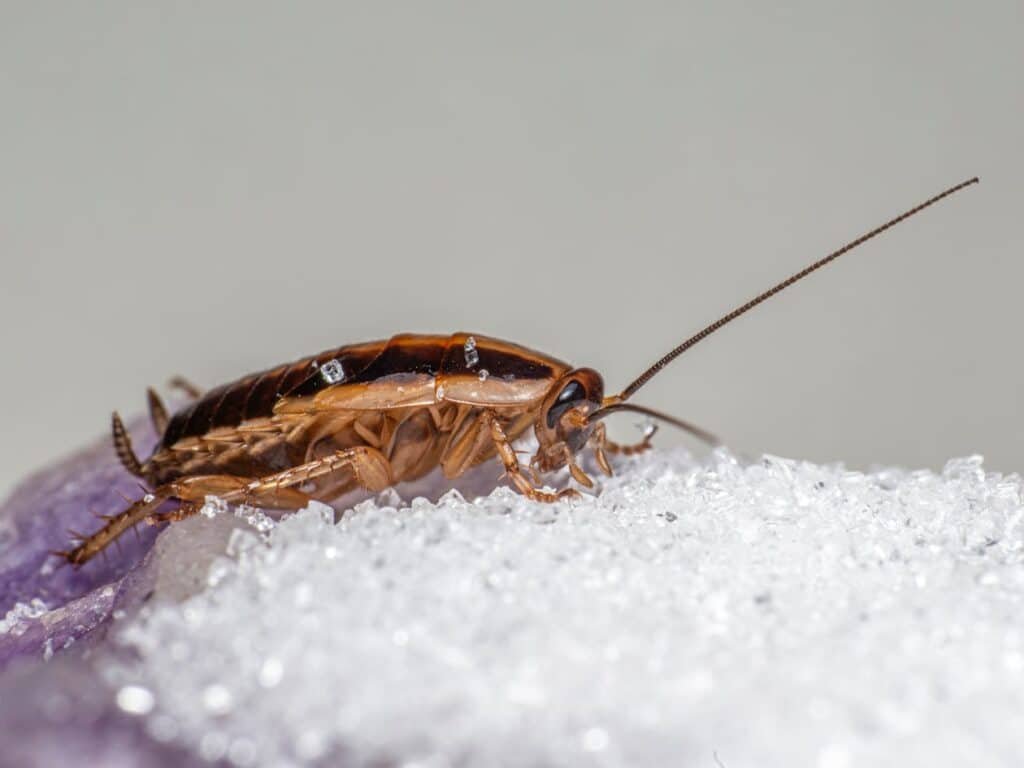
    Endotoxins represent fragments of bacterial cell walls that are released into the environment when bacteria die. Cockroaches carry extraordinarily rich and diverse gut microbiomes because they consume virtually anything. Previous research documented that these insects shed massive quantities of endotoxins through their droppings.


    Coby Schal, the Blanton J. Whitmire Distinguished Professor of Entomology at NC State and study co-author, explained the health implications. “Endotoxins are important to human health, as inhalation of these components has been shown to provoke allergic responses,” Schal said.


    Past surveys across the United States homes found endotoxin levels much higher in residences where occupants reported cockroach problems. That association is stronger in low-income housing compared to single-family homes. While household pets and humans also produce endotoxins, researchers determined that cockroach feces accounted for the majority of these toxins detected in household dust samples from infested homes.


    Breathing in these bacterial fragments can trigger allergic reactions and worsen asthma symptoms, particularly in children. Children living in low-income urban households face especially high risks, as cockroach allergens rank among the most important factors in developing and maintaining allergic rhinitis and asthma in young people.


    Female Roaches Pack Double the Toxic Punch


    Laboratory measurements revealed startling differences between male and female cockroaches. Female specimens excrete approximately 2,900 endotoxin units per milligram of feces. Males produce roughly 1,400 endotoxin units per milligram, about half the female output.


    Madhavi Kakumanu, an NC State research scholar working in Schal’s laboratory and study co-author, explained the disparity. “Female cockroaches eat more than males, so more endotoxins are shed from their fecal matter,” Kakumanu said.


    Increased food consumption by females drives their higher toxin production. Larger appetites lead to more bacterial activity in their digestive systems, which then produces more endotoxin-laden waste. Each female roach becomes a concentrated source of indoor air pollution simply by going about her daily activities.


    Your Kitchen Bears the Biggest Burden


    Room-by-room analysis showed kitchens contained far more endotoxins than bedrooms. Cockroaches congregate where they find abundant food sources. Cabinets, pantries, and spaces behind appliances provide ideal habitats with easy access to crumbs, grease, and organic matter.


    Bedrooms typically offer fewer attractive food options for roaches, so populations there remain smaller. Lower roach numbers translate directly to reduced endotoxin and allergen concentrations. Yet even bedrooms in heavily infested homes measured concerning levels of both substances.


    Air circulation systems can spread contaminants from kitchens throughout entire living spaces. Heating, ventilating, and air conditioning filters collected during the study showed high contamination levels in infested homes. HVAC systems essentially distribute cockroach-generated pollutants to every room.


    How Researchers Measured the Problem


    Scientists divided participating homes into three categories for the study. One group consisted of infested apartments that would receive no treatment. A second group included infested units scheduled for professional extermination. A third control group comprised apartments with no cockroach problems.


    Researchers returned at three-month and six-month intervals to collect follow-up samples. They counted live cockroaches and gathered both floor dust and airborne particle samples at each visit. Samples went to laboratories for analysis, measuring cockroach allergen Bla g 2 and endotoxin concentrations.


    Baseline measurements confirmed that infested homes started with dramatically higher contamination levels. Scientists could then track how those levels changed over time with or without intervention. Control homes maintained consistently low readings throughout the entire study period.


    Extermination Brings Dramatic Air Quality Improvements


    Professional pest control made a decisive difference. Most infested homes that received extermination services became completely free of cockroaches within the study timeframe. Allergen levels in those treated homes dropped substantially after roaches disappeared.


    Endotoxin concentrations also fell sharply in homes where pest control eliminated the insects. Measurements taken at three and six months post-treatment confirmed sustained reductions. Homes cleared of roaches approached the cleaner air quality found in apartments that never had infestations.


    Meanwhile, untreated infested homes showed no improvement whatsoever. Both allergen and endotoxin levels remained dangerously high at every measurement point. Cockroach populations in these control units continued producing toxic waste and shedding allergens without interruption.


    Partial Solutions Don’t Work


    Half measures fail to solve the problem. Schal noted an important finding about incomplete pest control. “When you eliminate cockroaches, you eliminate their allergens. Small decreases in cockroaches don’t lower allergen levels because the remaining live cockroaches deposit more allergens,” he said.


    Complete elimination proves necessary to achieve meaningful health benefits. A few surviving roaches continue contaminating the home at rates that negate any gains from reducing the population. Each live insect keeps producing allergens and endotoxins daily through its normal biological processes.


    Schal added that endotoxins decreased only in homes where cockroaches were fully eliminated. His paper demonstrates that cockroaches represent the most important source of endotoxin deposits in infested residences. No other household source comes close to matching their toxic output.


    Airborne Toxins Spread Beyond Dust


    Both allergens and endotoxins can become airborne, not just settle into floor dust. Kakumanu confirmed that air samples collected during the study detected both contaminants floating freely. Walking across floors, opening cabinets, or any activity that disturbs settled dust can launch particles into the breathing zone.


    Airborne distribution means even people who avoid direct contact with contaminated surfaces still inhale these substances. Children playing on floors face particularly high exposure risks. Air currents and household activities keep recycling particles back into suspension throughout the day.


    HVAC filter analysis supported the airborne transmission findings. Filters captured significant amounts of both allergens and endotoxins in infested homes. Every time heating or cooling systems ran, they pulled contaminated air through ducts and potentially redistributed particles to other rooms.


    Low-Income Homes Face Greater Risk


    Economic factors compound the health threat. Research consistently shows stronger associations between cockroach presence and elevated endotoxin levels in low-income housing versus single-family homes. Multi-unit apartment buildings often struggle more with pest control than standalone houses.


    Shared walls and common spaces in apartment complexes allow roaches to migrate between units. One infested apartment can compromise air quality in neighboring homes. Professional extermination works best when entire buildings receive treatment simultaneously, but cost barriers often prevent comprehensive approaches.


    Children in low-income urban households already face higher asthma rates. Adding cockroach allergens and endotoxins to their environment creates a perfect storm for respiratory problems. Access to quality pest control services becomes a public health issue with real consequences for vulnerable populations.


    What Comes Next for Asthma Research


    Scientists plan to examine how allergens and endotoxins interact in animal models. Future studies will use mice bred to develop asthma symptoms when exposed to these substances. Researchers want to determine whether combined exposure produces worse outcomes than either contaminant alone.


    Evidence suggests that allergens and endotoxins together might trigger more severe asthma attacks than either substance by itself. Schal noted that implications exist for worsened asthma due to interactions between the two. Mouse models will help clarify whether that hypothesis holds under controlled laboratory conditions.


    Understanding these interactions could reshape how doctors and public health officials approach asthma management in homes with cockroach problems. If combined exposure proves more dangerous, recommendations for pest control might become even more urgent for families with asthmatic children.


    Multiple organizations funded the research, including the U.S. Department of Housing and Urban Development Healthy Homes program, the Alfred P. Sloan Foundation, and the National Institute of Environmental Health Sciences. Additional support came from the National Institute of Allergy and Infectious Diseases, the U.S. Department of Agriculture National Institute of Food and Agriculture, and the Blanton J. Whitmire Endowment at North Carolina State University.


    Some of the links I post on this site are affiliate links. If you go through them to make a purchase, I will earn a small commission (at no additional cost to you). However, note that I’m recommending these products because of their quality and that I have good experience using them, not because of the commission to be made.


    Credit: Source link

  • Polenta with tamarind tofu, tomatoes and corn

    Polenta with tamarind tofu, tomatoes and corn

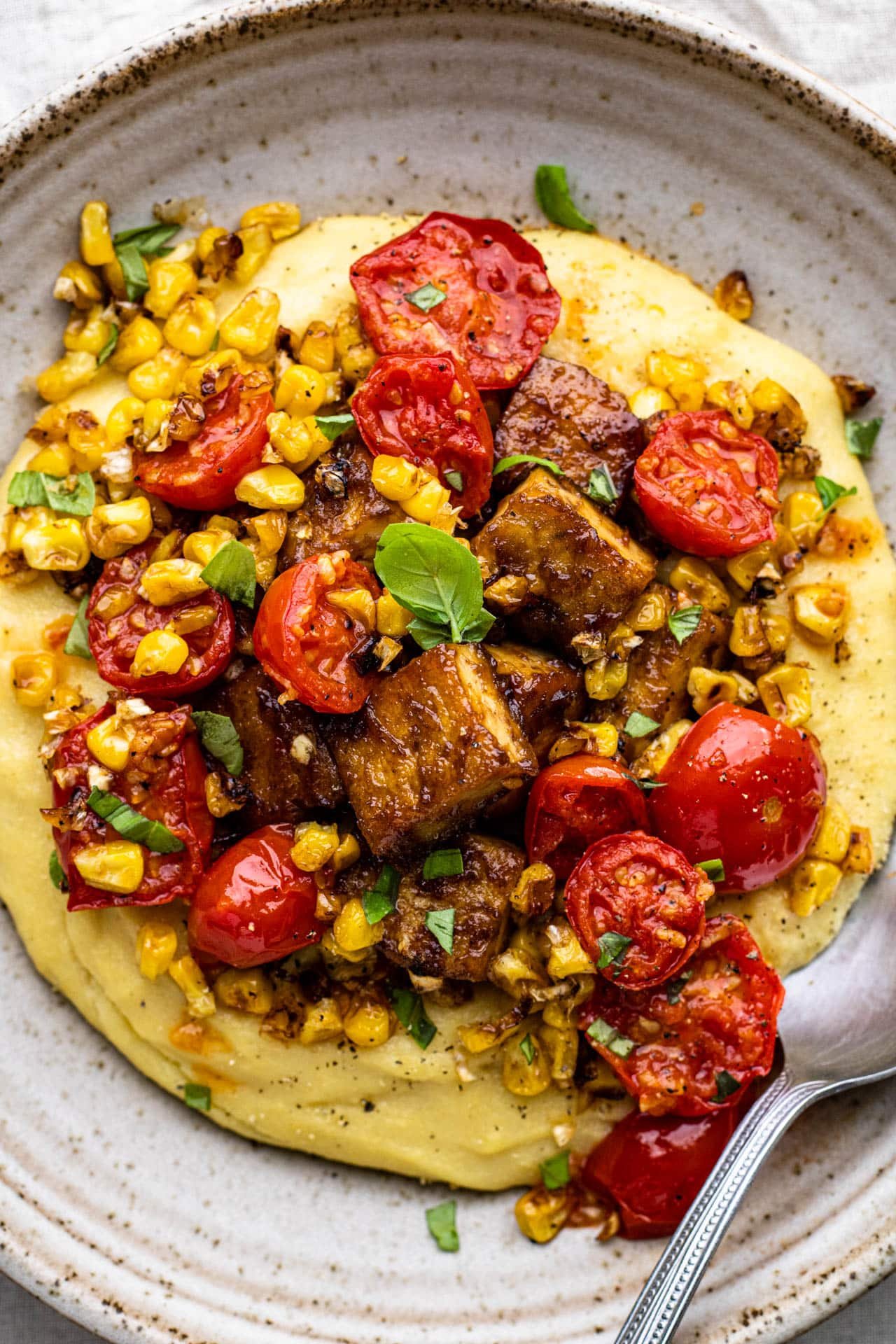
    polenta tamarind tofu tomatoes corn

    After five relentless heatwaves, almost one after another, we are finally having some much needed rain and cooler temperatures so I am turning towards cosier meals like this polenta with tamarind tofu, tomatoes and corn.

    This simple polenta with tamarind tofu and summer vegetables is still summery yet also a bit more cosy. It uses ripe end of summer tomatoes and sweet sweetcorn and my windowsill basil that has enjoyed this unprecedented amount of sunshine. To be honest, this was my plan originally, to make a dish featuring polenta, corn and tomatoes. While tasty this kind of dish has hardly any protein so I decided to add a generous amount of tofu bathed in a sweet and sour tamarind glaze that complements sweet corn so nicely.

    This dish is easy to make, satiating, full of flavour and plant protein too. I hope you will give it a go!

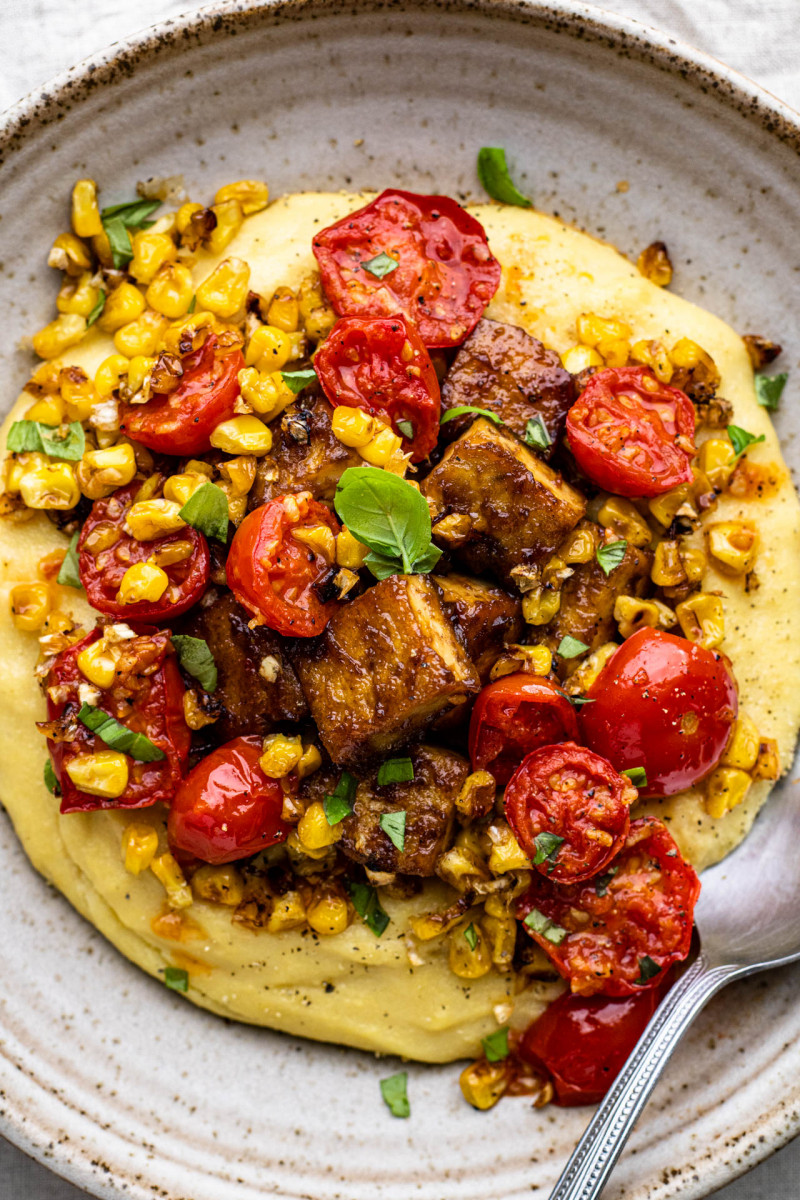
    polenta tamarind tofu tomatoes corn

    • 280 g / 10 oz pressed tofu, I use Tofoo*
    • 20 ml / 1½ tbsp soy sauce, divided
    • 2 tbsp cornstarch or potato starch (optional)
    • 20 ml / 4 tsp tamarind paste
    • 15 ml / 1 tbsp maple syrup
    • 45-60 ml / 3-4 tbsp oil, divided
    • 1 corn on the cob
    • 1 large garlic clove
    • 150 g / 5 oz cherry tomatoes
    • salt and pepper
    • 100 g / 3.5 oz instant polenta
    • 30 g / 1 oz vegan butter
    • ¼ cup nutritional yeast (optional)
    • fresh basil, to serve (optional)

    METHOD

    1. Cut tofu into bite size pieces, season with 1 tbsp (15 ml) of soy sauce and set aside for 10 minutes.
    2. Cut kernels off the corn cob and cut cherry tomatoes in half so that where the stem comes out of is on one half.
    3. To make tamarind glaze, mix tamarind paste, maple syrup and the rest of the soy sauce in a small bowl. Set aside.
    4. Once the tofu is seasoned, sprinkle it with a thin layer of cornstarch and fry in 1-2 tbsp (15-30 ml) of oil until golden on both sides. Lift out of the oil and set aside .
    5. Pre-heat a tablespoon of oil in a small pan, once hot add corn kernels. Fry until charred on all sides, stirring now and then. Season well and transfer out of the pan.
    6. Clean the pan, pre-heat another tablespoon of olive oil, once warm grate a clove of garlic into it. Reduce the heat to a whisper and sautee the garlic until fragrant and no longer raw, stirring often. Arrange tomatoes, cut side down, on top of the garlicky oil. Increase the heat to low-medium and allow them to sautee until just softened but not falling apart. Flip them over gently, season with salt, pepper and a good pinch of sugar.
    7. Bring 2½ cups (600 ml) of water and half a teaspoon of fine salt to a gentle simmer. Pour in polenta in a slow, steady stream while whisking the whole time. Swap to a wooden spoon and stir polenta while it’s getting thicker.
    8. Once polenta thickens, cover it with a lid and lower the heat to very low. Allow it to bubble gently for 5-10 minutes. Keep the lid on and let it stand for 5 minutes, before stirring in vegan butter, nutritional yeast and more salt if needed.
    9. While the polenta is resting, add fried tofu back to the pan with the tamarind glaze you prepared earlier. Coat all the tofu pieces in the glaze and allow the pan to heat up gently until sugars in the glaze caramelise and thicken.
    10. Divide hot polenta between two plates, top with tamarind tofu, charred corn and garlicky tomatoes and their pan juices. Garnish with basil.

    NOTES

    *TOFU: I used an already pressed tofu (Tofoo), but you can make the same dish with regular firm or extra firm tofu. Drain it and press really well before cutting and marinating. You will need about 400 g / 14 oz of unpressed tofu.

    CORN & TOMATOES: If you wanted, you could roast both corn and tomatoes in the oven instead. I suggest using 2 corns or else the corn will dry out too much, coat it in olive oil and roast at 200° C / 390° F for about 10 minutes, then add halves tomatoes coated in oil, seasoned with salt, pepper and half a teaspoon of garlic power and roast for another 10-15 minutes, until jammy but not falling apart.

    Credit: Source link

  • Weight Bias in Health Care

    Weight Bias in Health Care

    Please note: This blog and its accompanying video discuss the important and troubling issue of weight bias and discrimination, which may be a sensitive topic for some readers.

    How common is weight stigmatization in health care?

    Described as the last “acceptable” form of bias, weight stigma is the rampant discrimination and stereotyping of overweight individuals. Fifty overweight women were asked to keep a diary of all the times they felt they were being stigmatized for their weight. Over a single week, more than a thousand instances were recorded. An overweight woman may expect to be harassed (such as being called names or insulted), run into physical barriers (like being unable to fit into public seats), or discriminated against (such as receiving perceived poorer service at restaurants or stores) on average about three times a day. Obese men report three times less discrimination than women of the same size, so it may be only a daily occurrence for them.

    They’re not just being paranoid. Studies using professional actors posing as job applicants made up with theatrical prostheses to appear overweight were significantly more likely to face discrimination than when appearing at their normal weight. This employment bias was found to be especially prejudiced against overweight women compared to men.

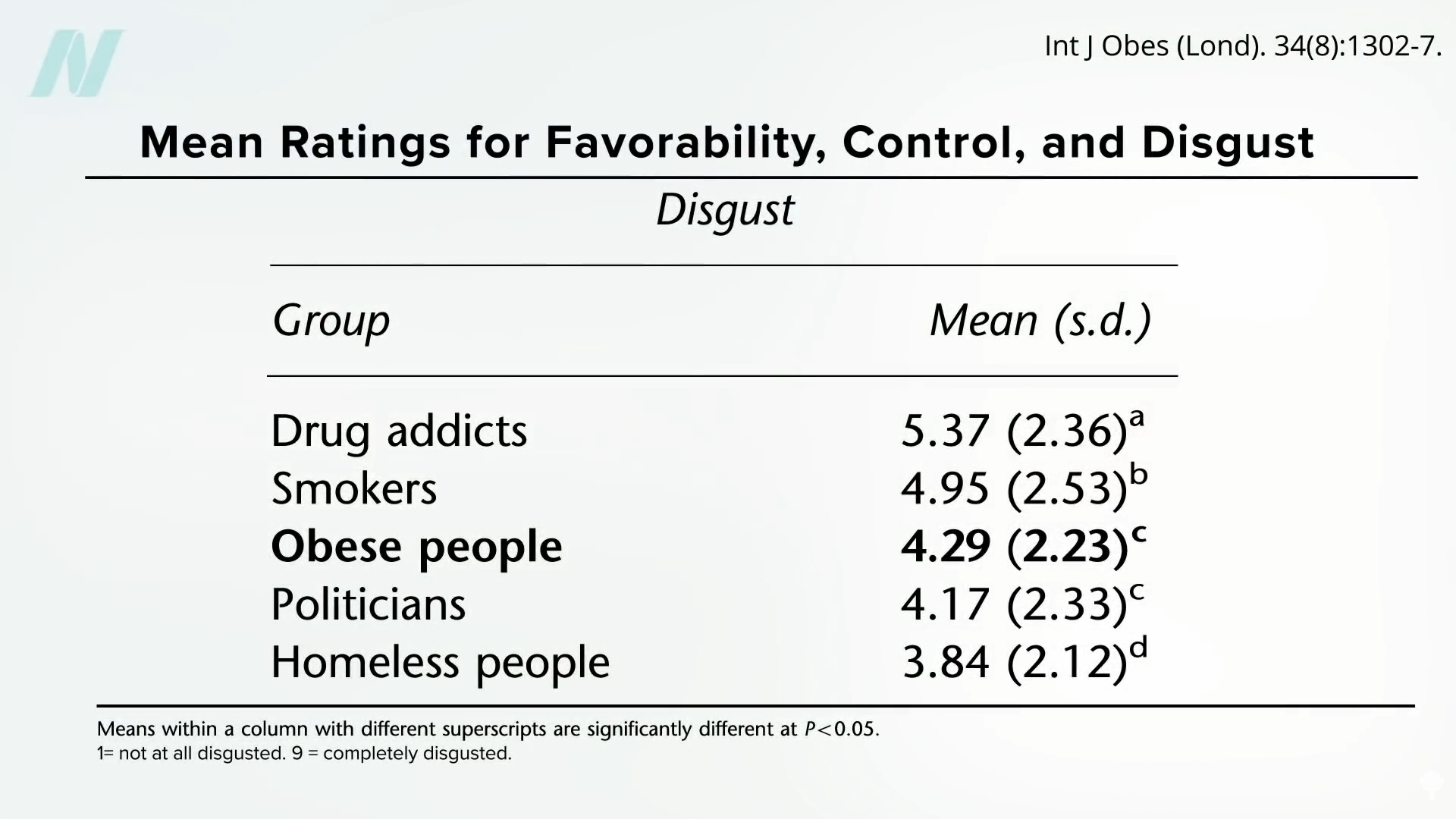
    Attitudes can also be explored in surveys. In a comparison of 16 stigmatized social groups, such as people experiencing homelessness, “only drug addicts and smokers were seen as more disgusting than obese people,” as you can see below and at 1:42 in my video Weight Bias: Hating Their Guts.

    The researchers did note, however, there was effectively a tie: “[O]bese people were rated just as disgusting as politicians.”

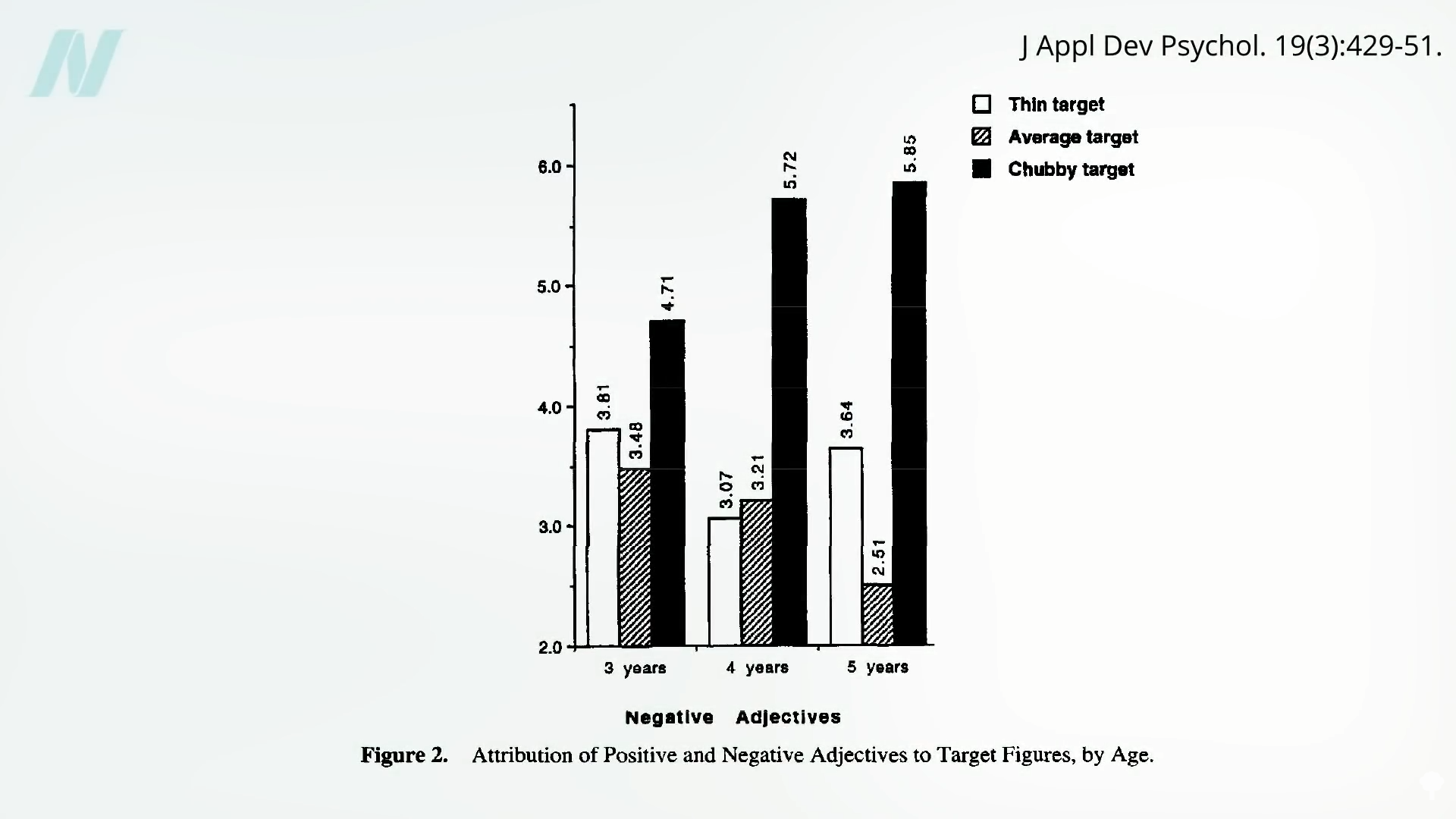
    This weight stigma starts surprisingly young. Children as young as three years old describe overweight peers as “mean,” “stupid,” “lazy,” and “ugly.” The negative language increases with age, as you can see below and at 2:14 in my video.

    Then, there was that famous study published in 1961. Children in summer camps and schools across a swath of different social, cultural, and ethnic backgrounds in California, Montana, and New York were shown pictures of different children and asked to rank who they liked best. The images included a child with crutches and a leg brace, a child in a wheelchair, a child missing a hand, a facially disfigured child, and an obese child. In every group of kids tested, there was “remarkable uniformity.” The obese child always came in dead last.

    That was ages ago, though. In 2003, researchers published the 40-year follow-up. The study was repeated, and the title of the study gives it away: “Getting Worse: The Stigmatization of Obese Children.” The obese child was liked even less in the follow-up study than in 1961! This parallels trends throughout society, with a near 70% jump in perceived weight discrimination recorded in national surveys since the mid-1990s.

    Attitudes among teachers may not be helping. More than a quarter of teachers and other school staff surveyed felt that becoming obese is “one of the worst things that could happen to a person.” Even parents can be biased, providing less support for college for their overweight daughters compared to thinner siblings, for example. As two prominent obesity researchers commented, “It is strong prejudice indeed when parents discriminate against their own children.”

    What about doctors? One representative national survey found that more than half of physicians “viewed obese patients as awkward, unattractive, ugly, and noncompliant.” About a quarter of nurses agreed or strongly agreed with the statement: “Caring for an obese patient usually repulses me.”

    This antagonism can have serious health consequences for those who may need it the most. For example, obese women are at higher risk for developing cervical cancer, as well as developing endometrial and ovarian cancers, yet they are less likely to be screened. Morbidly obese patients have only about half the odds of getting their recommended pelvic exams. Part of this may be avoidance on the part of the patient, but some doctors turn obese patients away. The Sun Sentinel polled OB/GYN practices in Florida and found that as many as one in seven refused to see heavier women and set weight cut-offs for new patients beginning at 200 pounds.

    Even doctors who welcome obese patients have been found to give them short shrift. Physicians randomized to receive a medical chart of a migraine patient who was either presented as average weight, overweight, or obese said they would give the obese patient about 28% less of their time. And it’s less quality time. Recorded doctors’ visits found that physicians tend to build “less emotional rapport with overweight and obese patients.”

    Even obesity specialists profess increasingly explicit anti-fat attitudes. Worsening in surveys taken between 2001 and 2013, obesity specialists “described fat people as significantly more lazy…stupid…and worthless…compared to thin people.” Even in the medical literature, you’ll find lines like this, an example from Annals of Internal Medicine: “Obesity is an aesthetic crime: it is ugly.”

    The good news is that they appear able to hide their disdain. In a study entitled “Obese Patients Overestimate Physicians’ Attitudes of Respect,” despite the negative attitudes doctors harbored toward their obese patients, the same patients expressed their satisfaction with their providers. The researchers concluded, “While physicians may be successfully playing the part, the lack of true respect suggests…the authenticity of the patient-physician relationship should be questioned.”

    Doctor’s Note

    The next blog in this two-part series is The Burden of Weight Bias.

    Both blogs in the series are drawn from my book How Not to Diet.


    Credit: Source link