Author: [email protected]

  • Trust Your Tub: Biogen’s Commitment to Quality Through the Informed Programmes

    Trust Your Tub: Biogen’s Commitment to Quality Through the Informed Programmes

    Trust is earned, not given, which is why Biogen takes extra steps to ensure what appears on the label of popular supplements is exactly what you’ll find inside the tub, and only those ingredients.

    As a passionate supporter of sports and athletes at every level, Biogen is committed to providing high-quality products that comply with the highest global standards.

    The brand’s unwavering obsession with transparency, rigorous auditing, and product testing has cemented its position as South Africa’s most tested and trusted sports nutrition brand.

    READ MORE | How to Choose High-Quality Vitamins and Supplements

    Proof over Promises

    While never formulating products with banned substances at a development level, Biogen takes extra steps to mitigate any potential risks at the manufacturer level.

    By partnering with LGC Limited in the UK – a leading global supplement testing company headquartered in London – Biogen offer one of the best risk management and certification options globally with our voluntary enrolment into the company’s Informed quality assurance programmes.

    This family of global quality assurance and banned substance testing certifications, developed by LGC, screen dietary supplements, sports nutrition products, and their manufacturing facilities for substances prohibited in sports and general impurities.

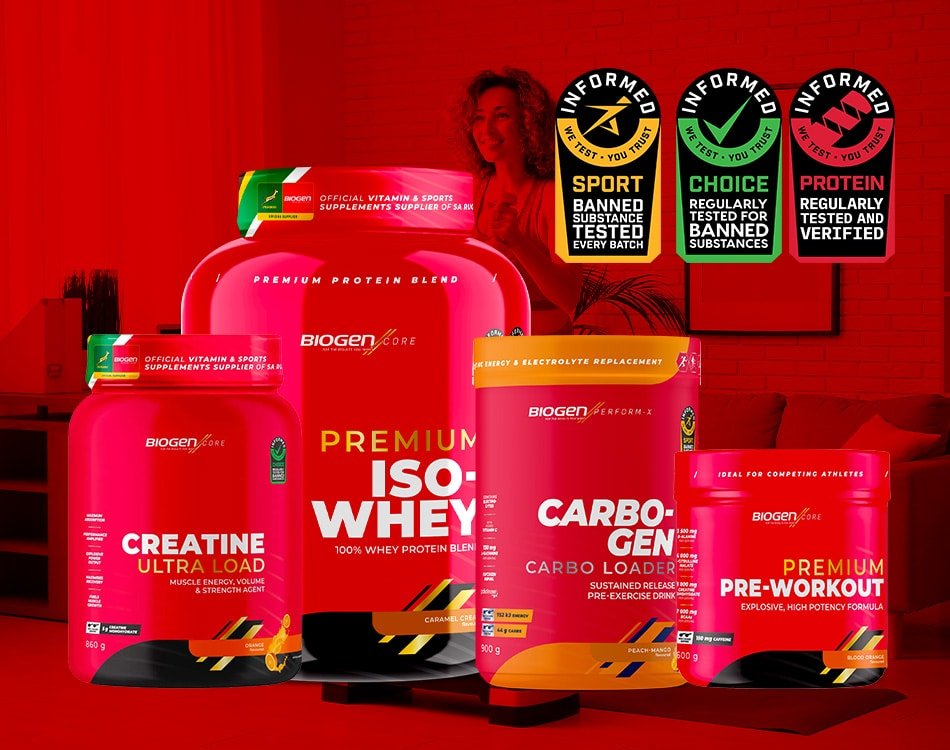
    As a proud member of the Informed Sport, Informed Choice, and Informed Protein programmes, Biogen ensures it delivers proof over promises, giving athletes and consumers supplements they can trust.

    READ MORE | Biogen powers athletes with first Informed Sport-certified premium pre-workout

    Informed Sport: Uncompromising Assurance

    For competing athletes subject to strict World Anti-Doping Agency (WADA) controls, the stakes are incredibly high.

    Informed Sport is a global quality assurance programme that provides the highest level of protection possible: every batch of a certified product undergoes rigorous testing before it hits the market or arrives on an athlete’s doorstep.

    Using highly sensitive, ISO 17025-accredited methods, LGC screens for over 285 prohibited substances at a part-per-billion level.

    Manufacturers must also meet strict Good Manufacturing Practice (GMP) standards. To maintain this status, if a manufacturer changes anything in its supply chain – even something as basic as a preferred supplier or packer – they are contractually obliged to notify Biogen to maintain complete transparency.

    Given this attention to detail and rigorous testing, if you’re a pro, there’s no other way to go when it comes to choosing a supplement brand you can trust.

    Learn more about Biogen’s zero-tolerance approach and dedication to clean sport on our Competing Athletes page.

    Informed Choice: Championing Transparency

    Even if you’re not a competing athlete, consumers who care about their health, weight and wellness also deserve products they can trust.   

    While some substances are banned in competitive sports, they are not necessarily banned for general sale. This can potentially pose health risks or result in the inadvertent consumption of ingredients that might interact with other medications.

    Offering better peace of mind, the Informed Choice programme regularly tests enrolled products for 285 banned and unsafe substances and impurities through a rigorous four-stage process. These include:

    • Stage 1: Product & Manufacturing Review
    • Stage 2: Pre-Certification Sample Testing
    • Stage 3: Product Certification, Logo Use and Web Listing
    • Stage 4: Post-Certification Requirements and Testing

    The presence of the Informed Choice logo guarantees that there are no hidden ingredients and ensures the consistent quality and purity of your supplements through independent third-party oversight.

    READ MORE | Quality protein delivers quality results

    Informed Protein: Verifying the Gold Standard in Recovery

    When it comes to optimising recovery, protein is non-negotiable. While there are multiple options available to suit different needs and preferences, from dairy-derived variants to plant-based options, some products may fall short of the protein amounts claimed on their labels or fail to meet safety standards.

    Informed Protein is a global protein testing and verification program developed to verify the amount of protein within protein supplements, giving athletes and consumers confidence in their preferred brands.

    The LGC lab tests protein products enrolled in the Informed Protein programme for free amino acids and evaluates the carbon/nitrogen ratio to ensure batch-to-batch consistency.

    The Informed Protein logo gives consumers the ultimate independent assurance that the protein listed on the packaging is exactly what you put into your shaker.

    The Biogen Informed Range

    “Enrolling products in these programmes demonstrates Biogen’s commitment to quality assurance,” says Brandon Fairweather, Brand Manager at Biogen.

    “No matter whether you’re a casual gym-goer or a dedicated athlete, choosing a product enrolled and certified through these programmes ensures you’re getting a safe and effective supplement.”

    Biogen has enrolled numerous products in the Informed quality assurance programmes, including:

    Biogen Perform X range

    Biogen Cytogen Racing Mix: Contains a blend of moderate and faster-releasing carbohydrates to help satisfy both immediate and sustained energy requirements for longer periods of exercise.

    Biogen Elite Carb Drink: Formulated using the scientifically backed 1:0.8 maltodextrin to fructose ratio to support optimal absorption, with 70g of carbohydrates in every sachet.

    Biogen Elite Carb Energy Bar: A compact, textured high-energy rice bar designed specifically for endurance athletes seeking efficient, on-the-go carbohydrate replenishment, delivering 30g of carbohydrates per serving.

    Biogen Carbogen Carbo Loader: A low GI, advanced carbo-loading and intra-exercise formulation that contains Palatinose™, which releases energy gradually while promoting glycogen storage. Also enhanced with antioxidants, electrolytes and amino acids.

    Biogen Recovergen: Supplies the scientifically recommended 4:1 ratio of carbohydrate to protein through fast-acting sources such as maltodextrin and hydrolysed whey protein to help mend and build muscles, while regenerating energy stores.

    Biogen Pure Energy+: Contains a blend of simple carbohydrates for rapid energy, with magnesium, phosphates, potassium and sodium to replenish electrolytes during and after physical activity.

    Biogen Cyto-Pro: Formulated with a blend of easily digested carbohydrates and proteins to replenish energy stores, limit muscle damage, support recovery, and keep you performing at your best.

    Biogen Core range:

    Biogen Iso-Whey Premium Protein: A protein shake with high levels of EAAs and BCAAs from a Tri Matrix Protein blend of whey protein hydrolysate, isolate and concentrate that is easily absorbed.

    Biogen Premium Pre-Workout: Formulated with ingredients that support workouts with benefits that may include explosive power, muscle performance, muscular endurance, and better recovery.

    Biogen Creatine Monohydrate: A globally renowned sports nutrition supplement, celebrated for its proven ability to boost strength, power, and lean body mass.

    Biogen Creatine All-In-1: Formulated to stimulate overall power and performance with high levels of creatine monohydrate, with added amino acids to support muscle protein synthesis and boost energy metabolism.

    Biogen L-Glutamine Powder: The ideal recovery supplement to restore L-glutamine levels after strenuous exercise to support protein synthesis.

    If you want to take the guesswork out of your nutrition to train hard, recover smart, and trust your tub, shop Biogen Informed Sport, Informed Choice, and Informed Protein products online and in store at your nearest Dis-Chem.

    Author: Pedro van Gaalen

    When he’s not writing about sport or health and fitness, Pedro is probably out training for his next marathon or ultra-marathon. He’s worked as a fitness professional and as a marketing and comms expert. He now combines his passions in his role as managing editor at Fitness magazine.

    Credit: Source link

  • [RECIPE] Milk Tart Frappe | Fitness Magazine

    [RECIPE] Milk Tart Frappe | Fitness Magazine

    Inspired by the classic South African favourite, this Milk Tart Frappe recipe creates a creamy, refreshing drink for an icy treat.

    It’s quick to make, deliciously nostalgic, and perfect for warm days when you want something sweet, cold, and comforting.

    Ingredients

    • Crushed ice
    • 1 serving malt powder
    • 1 scoop protein powder, vanilla or chocolate flavours
    • 300ml milk of choice
    • Whipped cream (to serve)
    • Cinnamon and cacao powder, for dusting

    Malt powder or malted milk powder is made from a mixture of malted barley, wheat flour, and evaporated whole milk powder. The powder is used to add its distinctive flavour to beverages and other foods, but it is also used in baking to help dough cook properly.

    Instructions

    1. Add the milk and protein and malt powders to a blender. Blend first until combined.
    2. Add the ice cubes and blend again until smooth, fluffy, and frappe-like.
    3. Pour into glasses, top with whipped cream, and finish with a dusting of cinnamon or cacao powder.
    4. Serve immediately while icy and refreshing.

    Author: Pedro van Gaalen

    When he’s not writing about sport or health and fitness, Pedro is probably out training for his next marathon or ultra-marathon. He’s worked as a fitness professional and as a marketing and comms expert. He now combines his passions in his role as managing editor at Fitness magazine.

    Credit: Source link

  • Lion’s Mane for Women: Brain Health, Stress Support and How to Use It

    Lion’s Mane for Women: Brain Health, Stress Support and How to Use It

    If you’re struggling with the stress of juggling work deadlines and family logistics, or experiencing the first hints of midlife brain fog, you want to some cognitive support to get you through your day.

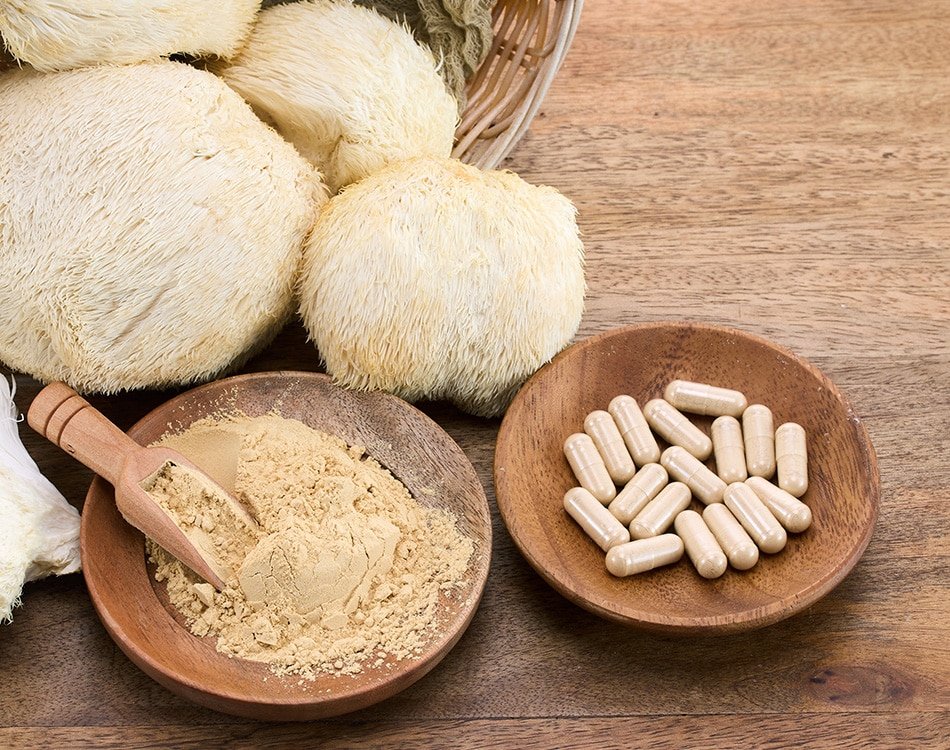
    Lion’s mane is an edible medicinal mushroom with a growing research base to support its potential health and cognitive benefits.

    Lion’s mane mushrooms grow in shaggy white clusters on hardwood trees, looking more like a frozen waterfall than a typical cap-and-stem mushroom.

    As fresh lion’s mane mushroom is hard to find in South African supermarkets, so most people take it in supplement formas capsules or powder.

    It’s often grouped with nootropics, a loose term for ingredients that may support mental performance, although it works nothing like caffeine.

    READ MORE | Are you a fungi fanatic? We unpack the mushroom mania nutrition trend

    Lion’s mane benefits

    Much of the interest in lion’s mane comes from its effect on NGF in laboratory and animal research. A review in the Journal of Agricultural and Food Chemistry1 describes how hericenones and erinacines supported NGF production in cell studies, and also discusses the mushroom’s beta-glucans and antioxidant activity. These findings explain why researchers keep studying it.

    While studies conducted exclusively on women are limited, one such trial is a small Japanese study published in Biomedical Research2.

    It followed 30 women who ate cookies containing lion’s mane or a placebo for four weeks. Those in the lion’s mane group reported lower scores for irritation and feelings of anxiousness than the placebo group.

    It may also help improve memory in later life. A double-blind trial in Phytotherapy Research3 gave about 30 men and women aged 50 to 80 with mild cognitive decline 3g of lion’s mane powder a day for 16 weeks.

    The lion’s mane group scored higher on a cognitive function scale than the placebo group, but scores fell again within four weeks of stopping.

    For women who aren’t yet in midlife, a 2023 pilot study in Nutrients4 is more relevant. Healthy adults aged 18 to 45 took 1.8g of lion’s mane daily for 28 days.

    A single dose was linked to faster performance on one attention task, and over the month there was a trend towards lower self-reported stress that did not reach statistical significance.

    READ MORE | Get your mental performance roaring with a lion’s mane nootropic supplement

    Get the lion’s share of benefits

    Lion’s mane is generally available in supplement form as an extract, with standardised doses typically recommended at 200mg to 500mg a day, depending on the extract ratio.

    To get the most from its potential cognitive benefits, most people take lion’s mane in the morning or early afternoon with breakfast or lunch, which is also gentler on the stomach.

    The studies above ran for between four and 16 weeks, so give it at least a month of consistent daily use before judging whether it’s doing anything for you.

    Some people cycle lion’s mane, for example five days on and two days off, or four weeks on and one week off. There’s little research on whether cycling is necessary, so treat it as personal preference rather than an established rule.

    As there isn’t enough human safety data on lion’s mane during pregnancy or breastfeeding, it is best to avoid it during these times.

    If you’re allergic to mushrooms or other fungi, it is best to avoid lion’s mane as allergic reactions have been reported. Because it may slow blood clotting, anyone with a bleeding disorder should speak to a doctor first, and you should stop taking it at least two weeks before surgery or a dental procedure.

    Women with diabetes who take glucose-lowering medication should also check first, since lion’s mane may affect blood sugar levels.

    If you have an autoimmune condition such as lupus, rheumatoid arthritis or multiple sclerosis, or take immunosuppressants, seek medical advice, as the mushroom’s immune-modulating compounds could in theory interfere.

    A supplement worth considering

    While lion’s mane is not a quick fix for stress, focus or memory, it may be worth considering a quality supplement if you are managing busy schedules, training demands, midlife changes or everyday mental fatigue, provided it fits safely with your health status and medication use.

    Start with the recommended dose, give it time to work, and speak to a healthcare professional if you are pregnant, breastfeeding, managing a medical condition or taking chronic medication.

    References

    1. Friedman M. Chemistry, Nutrition, and Health-Promoting Properties of Hericium erinaceus (Lion’s Mane) Mushroom Fruiting Bodies and Mycelia and Their Bioactive Compounds. J Agric Food Chem. 2015 Aug 19;63(32):7108-23. doi: 10.1021/acs.jafc.5b02914. PMID: 26244378.
    2. Nagano M, Shimizu K, Kondo R, Hayashi C, Sato D, Kitagawa K, Ohnuki K. Reduction of depression and anxiety by 4 weeks Hericium erinaceus intake. Biomed Res. 2010 Aug;31(4):231-7. doi: 10.2220/biomedres.31.231. PMID: 20834180.
    3. Mori K, Inatomi S, Ouchi K, Azumi Y, Tuchida T. Improving effects of the mushroom Yamabushitake (Hericium erinaceus) on mild cognitive impairment: a double-blind placebo-controlled clinical trial. Phytother Res. 2009 Mar;23(3):367-72. doi: 10.1002/ptr.2634. PMID: 18844328.
    4. Docherty S, Doughty FL, Smith EF. The Acute and Chronic Effects of Lion’s Mane Mushroom Supplementation on Cognitive Function, Stress and Mood in Young Adults: A Double-Blind, Parallel Groups, Pilot Study. Nutrients. 2023 Nov;15(22):4842. doi: 10.3390/nu15224842.

    Author: Pedro van Gaalen

    When he’s not writing about sport or health and fitness, Pedro is probably out training for his next marathon or ultra-marathon. He’s worked as a fitness professional and as a marketing and comms expert. He now combines his passions in his role as managing editor at Fitness magazine.

    Credit: Source link

  • adidas Unveils their new Adizero Adios Pro 5 Race Day Super Shoe

    adidas Unveils their new Adizero Adios Pro 5 Race Day Super Shoe

    adidas has unveiled the Adizero Adios Pro 5 – a race-day super shoe crafted with the same sub-two-breaking innovation seen in the Adizero Adios Pro Evo 3, tuned for a unique race-day experience.

    Building on a historic year for running, which saw Sabastian Sawe become the first person to run a marathon in under two hours, wearing the Adizero Adios Pro Evo 3, the Adizero Adios Pro 5 brings this breakthrough innovation to its latest race day shoe.

    More than an evolution

    More than just an evolution of its predecessor Adizero Adios Pro 4, the Adizero Adios Pro 5 reimagines every major component of the shoe.

    Inspired by the technologies first introduced in the Adizero Adios Pro Evo 3, advancements in weight, foam construction and carbon technology combine to deliver a 9% improvement in energy return, while helping runners sustain speed deeper into the race through greater comfort and stability.

    Drawing on the design language of the Adizero Adios Pro Evo 3, the Adizero Adios Pro 5 is constructed from premium, featherlight materials and features ENERGYRIM carbon technology for the first time in the Pro series, visible around the midsole of the shoe and highlighted through a reflecting zone in the heel.

    At the heart of the Adizero Adios Pro 5 are a series of innovations:

    • Weight reduction: Weighing an average 177g (UK 8.5), the Adizero Adios Pro 5 is approximately 23g – or 12% – lighter than the Adizero Adios Pro 4, delivering a lighter race-day experience without compromising comfort or stability.
    • ENERGYRIM technology: Replacing ENERGYRODS, an all-new carbon-infused ENERGYRIM construction allows for a greater volume of LIGHTSTRIKE PRO foam directly beneath the foot while providing precisely tuned stiffness for stability and propulsion throughout the stride, delivering +9% energy return.
    • Re-engineered outsole: A new maximum grip outsole combines data-driven LIGHTTRAXION technology with Continental™ rubber to provide lightweight traction, grip and improved durability over long distances.
    • Latest-generation LIGHTSTRIKE PRO foam: Working in combination with ENERGYRIM, adidas’ most advanced LIGHTSTRIKE PRO cushioning delivers greater responsiveness and a more energetic underfoot sensation, contributing to a 9% increase in energy return compared with the Adizero Adios Pro 4.
    • LIGHTLOCK 2.0 upper: A completely redesigned upper featuring engineered ventilation zones, internal support bands and an updated heel construction creates a more secure race-day fit while reducing weight and improving overall comfort.

    Redefining what’s possible in distance running

    The Adizero Adios Pro 5 is the most extensively tested, validated and studied shoe in the history of the Adizero franchise.

    From trialling with over 25 athletes in Kenya, Ethiopia and the US, to long-term wear testing, in-house performance validation and independent biomechanical research, every design decision has been informed by real-world athlete insight to optimise performance.

    This development process included Men’s marathon world-record holder Sabastian Sawe, whose performances continue to help shape the future of adidas race-day innovation.

    The Adizero franchise continues to redefine what’s possible in distance running, helping adidas athletes break 12 world records and secure more than 30 victories at key road races.

    This year alone, adidas athletes have broken all four world records across the men’s and women’s marathon and half marathon distances – including breaking the sub-two-hour marathon barrier – wearing the Adizero Adios Pro Evo 3.

    The Adizero Adios Pro 5 is available via adidas.co.za, the adidas app and selected retail partners. The shoe retails for R5799.

    Author: Pedro van Gaalen

    When he’s not writing about sport or health and fitness, Pedro is probably out training for his next marathon or ultra-marathon. He’s worked as a fitness professional and as a marketing and comms expert. He now combines his passions in his role as managing editor at Fitness magazine.

    Credit: Source link

  • [MARCH] 2027 Virgin Active HYROX Cape Town

    [MARCH] 2027 Virgin Active HYROX Cape Town

    Dates: 26-28 March 2027

    Virgin Active HYROX Cape Town is back as the first event in 2027. This rebuilt experience is bigger, louder, and faster. This is your opportunity to set the pace for the entire season. Whether you’re hunting a solo podium, locking shoulders with a partner, or sprinting the final leg of a relay, the CTICC floor is where your winter training meets its match. The energy will be heavy, the stakes are fresh, and the finish line is waiting to be claimed. Visit hyrox.com for mor info and to enter. This is the final chance of the 26/27 season to secure a slot and qualify for the PUMA HYROX World Championships 2027. For more info, visit www.hyrox.com.

    Author: Pedro van Gaalen

    When he’s not writing about sport or health and fitness, Pedro is probably out training for his next marathon or ultra-marathon. He’s worked as a fitness professional and as a marketing and comms expert. He now combines his passions in his role as managing editor at Fitness magazine.

    Credit: Source link

  • [RECIPE] No-Bake Rice Bars | Fitness Magazine

    [RECIPE] No-Bake Rice Bars | Fitness Magazine

    If you’re looking for a protein-packed snack that tastes like a dessert, these No-Bake Rice Bars are the perfect solution.

    Featuring a rich chocolate rice porridge base, a creamy date caramel layer, and a chocolate topping, they’re ideal for pre- or post-workout fuel, afternoon snacking, or satisfying a sweet craving.

    Ingredients for the base

    Ingredients for the topping

    • 2 cups brown dates
    • ⅓ cup nut butter
    • Pinch of salt
    • Melted chocolate

    Biogen Gluten-Free Creamy Rice Energy Meal is a naturally gluten-free, complex carbohydrate cereal. Delicious, simple and easy to prepare, Creamy Rice Energy Meal is the ideal solution for a pre-workout meal.

    Instructions 

    1. Soak the dates in hot water until softened. Drain and blend with the nut butter and salt until smooth, adding a little water or milk if needed.
    2. In a mixing bowl, combine the rice porridge, protein powder, milk, nut butter, flax seeds, and salt. Stir until smooth, adding extra milk if required.
    3. Press the mixture into a lined square baking tin or loaf tin.
    4. Spread the date caramel evenly over the base and freeze until firm.
    5. Drizzle with melted chocolate.
    6. Freeze again until set.
    7. Slice into bars and enjoy as a pre- or post-workout snack.

    Author: Pedro van Gaalen

    When he’s not writing about sport or health and fitness, Pedro is probably out training for his next marathon or ultra-marathon. He’s worked as a fitness professional and as a marketing and comms expert. He now combines his passions in his role as managing editor at Fitness magazine.

    Credit: Source link

  • Omega-3 Fatty Acids for Women: Supporting Health Across Your Life Stages

    Omega-3 Fatty Acids for Women: Supporting Health Across Your Life Stages

    Omega-3 essential fatty acids are a nutritional cornerstone for women’s health across every decade of life.

    Whether you’re navigating hormonal transitions, supporting brain health during your busiest years, or building resilience as you age, omega-3s play a quiet but powerful role in the systems that keep you feeling your best.

    Unlike other nutrients that your body can manufacture, omega-3 fatty acids must come from food or supplements.

    Most South African women fall short of recommended intake through diet alone, particularly when it comes to EPA (eicosapentaenoic acid) and DHA (docosahexaenoic acid) — the long-chain forms found in marine sources that your body uses directly.

    Understanding how omega-3s support your specific health needs helps you make informed choices about supplementation.

    READ MORE | Beyond Heart Health: How omega-3s support overall wellness

    What are Omega-3 Fatty Acids?

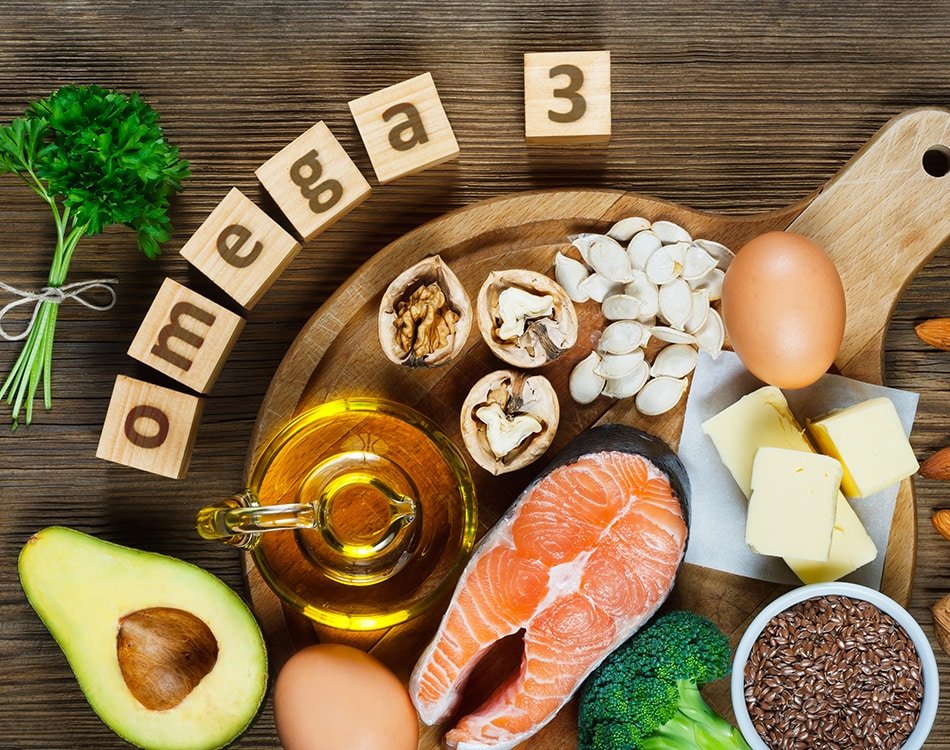
    Omega-3s belong to a family of polyunsaturated fats defined by their chemical structure. The three main forms relevant to women’s health are ALA (alpha-linolenic acid) from plant sources, and EPA and DHA from marine sources¹.

    Your body cannot produce these fats on its own — hence the term “essential.” Unlike the omega-9 fats your body manufactures naturally, omega-3s must be supplied through diet or supplements.

    Cold-water fatty fish like salmon and mackerel contain the highest concentrations of EPA and DHA, but unless you eat these regularly, you’re likely not meeting your needs through food alone.

    Plant-based sources like flaxseeds and walnuts provide ALA, but the conversion to usable EPA and DHA is remarkably inefficient — your body uses less than 10% of the ALA you consume for these critical forms.

    This is why supplementation with marine-derived omega-3s is particularly important for women who don’t eat seafood regularly or who follow plant-based diets.

    READ MORE | Everything you need to know about omega fatty acids

    Hormonal Benefits of Omega-3s

    Your menstrual cycle is regulated by complex interactions between hormones, inflammation, and your nervous system — all systems that omega-3s influence directly.

    Research published in the American Journal of Clinical Nutrition shows that women with adequate EPA and DHA levels experience fewer period symptoms, including milder cramping and more stable mood fluctuations throughout their cycle².

    EPA, in particular, helps regulate prostaglandins — hormone-like compounds that trigger uterine contractions during menstruation. By moderating prostaglandin production, omega-3s may help ease the intensity of menstrual discomfort.

    Additionally, because these fats support serotonin signalling in the brain, they may help stabilise mood-related symptoms that often accompany hormonal shifts, particularly during the luteal phase of your cycle.

    READ MORE | Optimal Cognitive Function and Brain Health Needs Premium Fuel

    Supporting Cognitive Function Across Life Stages

    DHA comprises roughly 30% of your brain’s grey matter, making it essential for memory formation, focus, and cognitive performance³.

    As women age, particularly during perimenopause and menopause when oestrogen levels decline, brain health becomes increasingly important — oestrogen normally protects cognitive function, and omega-3s partially offset this loss.

    A meta-analysis of 19 clinical trials found that women with higher DHA intake demonstrated better verbal memory, processing speed, and sustained attention⁴.

    For women balancing career, family, and personal goals, adequate DHA supports the mental clarity needed during demanding years. Beyond midlife, omega-3 supplementation may help maintain cognitive resilience as you age.

    READ MORE | Up your nutritional standard to get the results you deserve

    Supporting Cardiovascular Health

    Cardiovascular disease is a leading cause of death among South African women, yet many remain unaware of their risk.

    Before menopause, oestrogen offers natural cardiovascular protection — but after menopause, women’s heart disease risk rises sharply and eventually exceeds men’s⁵.

    Omega-3 fatty acids work through multiple pathways to support heart health. EPA and DHA reduce triglycerides (fatty compounds in the blood that increase cardiovascular risk), support healthy blood pressure, and promote flexible, responsive blood vessel function.

    Research shows that women taking omega-3 supplements demonstrate measurably lower cardiovascular risk markers, with benefits becoming more pronounced in women over 50⁶.

    READ MORE | Smart nutrition: The food-mood connection

    Joint Health and Anti-Inflammatory Support

    One in four South African women over 45 experiences joint discomfort, a figure that climbs sharply after menopause when the anti-inflammatory effects of oestrogen wane.

    Omega-3s address this through their potent anti-inflammatory action, which is particularly valuable during hormonal transitions.

    EPA reduces the production of inflammatory molecules called cytokines and prostaglandins, directly addressing joint comfort and mobility⁷.

    Women who supplement with omega-3s report improved ease of movement, particularly in weight-bearing joints like knees and hips.

    The benefit compounds over time — consistent supplementation for 8–12 weeks produces noticeable effects on joint function and overall comfort during daily activity.

    READ MORE | A happy, healthy pregnancy starts with optimal nutrition

    Supports Pregnancy and Postpartum Wellbeing

    For women planning pregnancy or already pregnant, DHA is non-negotiable. This fatty acid drives foetal brain and eye development, particularly during the third trimester when foetal DHA accumulation peaks.

    Adequate maternal DHA intake is associated with better infant cognitive outcomes and visual development⁸.

    Beyond pregnancy, omega-3s support postpartum recovery and emotional wellness. The dramatic hormonal shifts after birth, combined with sleep deprivation and physical recovery, can challenge mood stability.

    Research suggests that women with adequate omega-3 intake experience more stable mood during the postpartum period⁹. If you are pregnant or breastfeeding, ensure you use a purified, third-party tested supplement to avoid exposure to mercury or other contaminants.

    How to Take Omega-3s

    Most health authorities recommend 500–1,000 mg daily of EPA and DHA combined for baseline health maintenance.

    Women seeking to address specific concerns — such as menstrual symptoms or joint comfort — may benefit from doses at the higher end of this range (800–1,000 mg daily).

    Always check the supplement label for actual EPA and DHA content, not just total fish oil weight. A 1,000 mg fish oil capsule may contain only 300 mg of combined EPA and DHA — the rest is filler oil with minimal therapeutic benefit.

    Take your omega-3 supplement with a meal containing fat. This triggers the release of bile and digestive enzymes, which improve absorption. Taking omega-3s with food also eliminates the “fishy burp” that deters many women from consistent use.

    Morning or evening dosing matters less than consistency — daily supplementation allows EPA and DHA to accumulate in your cell membranes over time, where they exert their benefits. Because your body cannot manufacture these essential fats and they’re required for ongoing cellular function, daily year-round use is both safe and recommended.

    References:

    1. Krupa KN, Fritz K, Parmar M. Omega-3 Fatty Acids. [Updated 2024 Feb 28]. In: StatPearls [Internet]. Treasure Island (FL): StatPearls Publishing; 2026 Jan-. Available from: https://www.ncbi.nlm.nih.gov/books/NBK564314/.
    2. Nichols PD, Petrie J, Singh S. Long-chain omega-3 oils-an update on sustainable sources. Nutrients. 2010 Jun;2(6):572-85. doi: 10.3390/nu2060572. Epub 2010 May 26. PMID: 22254042; PMCID: PMC3257669.
    3. Mariamenatu AH, Abdu EM. Overconsumption of Omega-6 Polyunsaturated Fatty Acids (PUFAs) versus Deficiency of Omega-3 PUFAs in Modern-Day Diets: The Disturbing Factor for Their “Balanced Antagonistic Metabolic Functions” in the Human Body. J Lipids. 2021 Mar 17;2021:8848161. doi: 10.1155/2021/8848161. PMID: 33815845; PMCID: PMC7990530.
    4. Gutierres D, Pacheco R, Reis CP. The Role of Omega-3 and Omega-6 Polyunsaturated Fatty Acid Supplementation in Human Health. Foods. 2025 Sep 23;14(19):3299. doi: 10.3390/foods14193299. PMID: 41097470; PMCID: PMC12524211
    5. DiNicolantonio JJ, O’Keefe J. The Importance of Maintaining a Low Omega-6/Omega-3 Ratio for Reducing the Risk of Autoimmune Diseases, Asthma, and Allergies. Mo Med. 2021 Sep-Oct;118(5):453-459. PMID: 34658440; PMCID: PMC8504498.
    6. Dighriri IM, Alsubaie AM, Hakami FM, Hamithi DM, Alshekh MM, Khobrani FA, Dalak FE, Hakami AA, Alsueaadi EH, Alsaawi LS, Alshammari SF, Alqahtani AS, Alawi IA, Aljuaid AA, Tawhari MQ. Effects of Omega-3 Polyunsaturated Fatty Acids on Brain Functions: A Systematic Review. Cureus. 2022 Oct 9;14(10):e30091. doi: 10.7759/cureus.30091. PMID: 36381743; PMCID: PMC9641984.
    7. Thielecke F, Blannin A. Omega-3 Fatty Acids for Sport Performance-Are They Equally Beneficial for Athletes and Amateurs? A Narrative Review. Nutrients. 2020 Nov 30;12(12):3712. doi: 10.3390/nu12123712. PMID: 33266318; PMCID: PMC7760705
    8. Abdelhamid AS, Brown TJ, Brainard JS, Biswas P, Thorpe GC, Moore HJ, Deane KH, Summerbell CD, Worthington HV, Song F, Hooper L. Omega-3 fatty acids for the primary and secondary prevention of cardiovascular disease. Cochrane Database Syst Rev. 2020 Feb 29;3(3):CD003177. doi: 10.1002/14651858.CD003177.pub5. PMID: 32114706; PMCID: PMC7049091.
    9. Golabi S, Robahat T, Madjdinasab N, Kamyari N, Naghashpour M. Omega-3 Fatty Acids Supplementation and Neuroprotection, Inflammation, Fatigue, and Physical Activity in Multiple Sclerosis: A Randomized Controlled Trial. Food Sci Nutr. 2025 Sep 1;13(9):e70884. doi: 10.1002/fsn3.70884. PMID: 40905016; PMCID: PMC12402609.

    Author: Pedro van Gaalen

    When he’s not writing about sport or health and fitness, Pedro is probably out training for his next marathon or ultra-marathon. He’s worked as a fitness professional and as a marketing and comms expert. He now combines his passions in his role as managing editor at Fitness magazine.

    Credit: Source link

  • Fenugreek May Help Sexual Function, Period Pain, and Lactation

    Fenugreek May Help Sexual Function, Period Pain, and Lactation

    The hormonal benefits of fenugreek extend beyond the muscle-bulking testosterone boost.

    In my video about the benefits of fenugreek seeds, I profiled a study in which young men were randomized to a sugar pill or fenugreek capsules for eight weeks, and they got a significant improvement in upper body strength, lower body strength, body composition, as well as a significant reduction in body fat percentage. The only side effect? It can make your sweat and pee smell like maple syrup. Seems like a bonus!

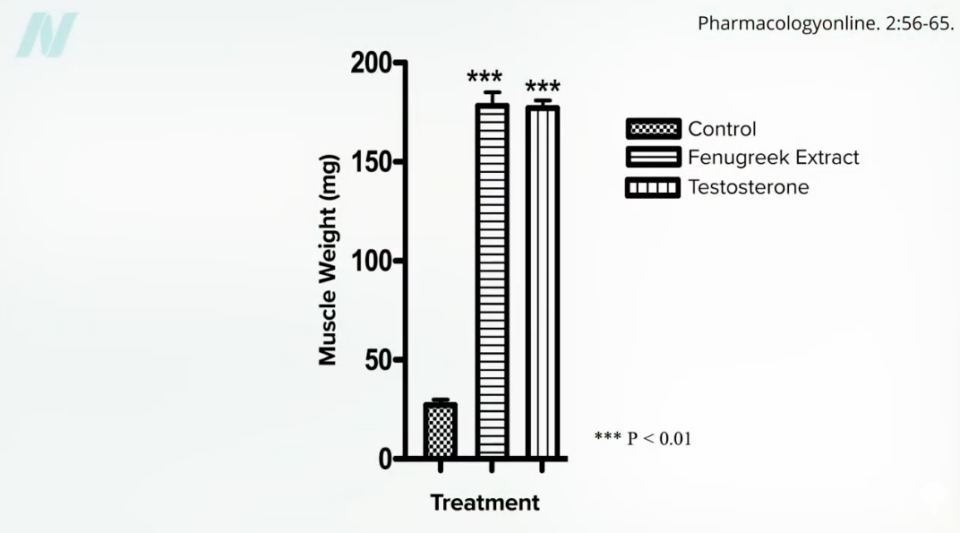
    Studies on immature, castrated rats suggest fenugreek’s muscle bulking is a testosterone effect, as you can see below and at 0:44 in my video Fenugreek Benefits for Sexual Function, Painful Periods, and Milk Production.

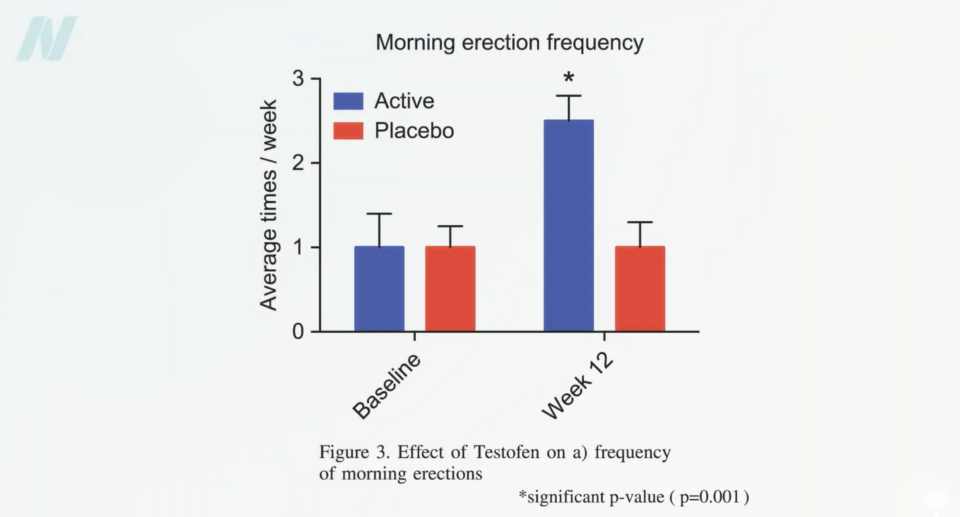
    But its effect on humans wasn’t known until four randomized controlled trials put it to the test and found a significant boost of total blood testosterone. And indeed, fenugreek appears to improve sexual function in men, for example, doubling the frequency of morning erections, as you can see below and at 1:03 in my video.

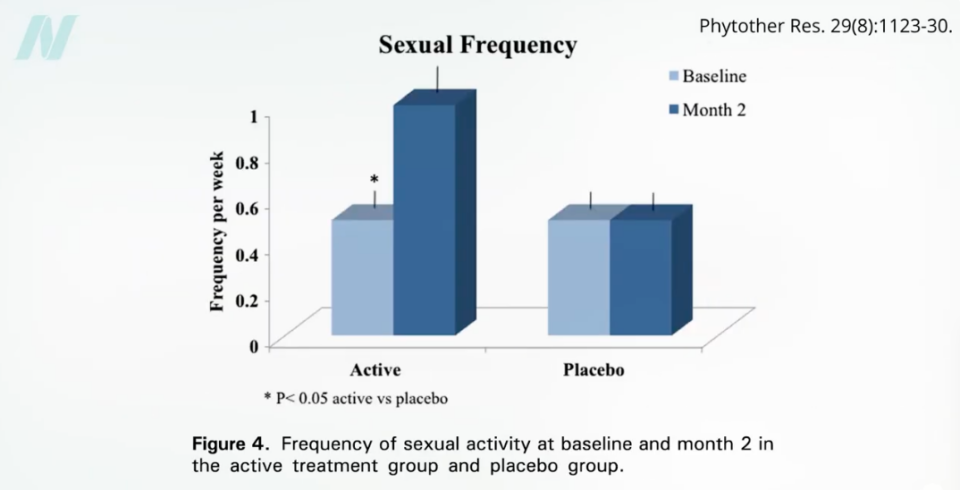
    What about the sexual function in women? While the estrogen hormone estradiol stimulates vaginal lubrication and blood flow, facilitating a woman’s capacity for orgasm and sexual arousal, it’s the testosterone that’s linked with sexual desire in both men and women. Drug companies have tried testosterone patches on women to try to increase sexual desire, but there are concerns about blood clots and long-term safety. What about a little fenugreek? Researchers observed a significant increase in testosterone compared to placebo and a boost in estradiol that resulted in both an increase in sexual desire and function, translating to about a doubling of sexual activity compared to placebo, as you can see below and at 1:49 in my video.

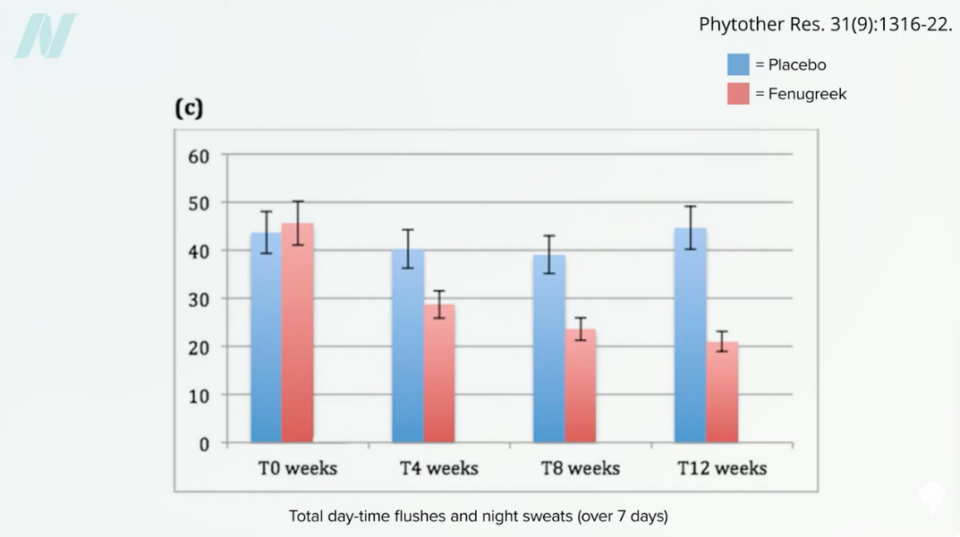
    If fenugreek causes an increase in estrogen levels, what about the efficacy of fenugreek for reducing menopausal symptoms? A double-blind, randomized, placebo-controlled study found a significant reduction in menopausal symptoms across every single domain, including cutting the weekly numbers of hot flashes and night sweats in half over a period of three months, as you can see below and at 2:08 in my video.

    Other hormonal effects include an improvement in painful periods. I like that the researchers of this study didn’t use some proprietary extract, but just plain fenugreek powder that can be bought at the store. They packed it into capsules so they could pit it against a sugar pill placebo, but the dose they used is just about a third of a teaspoon, three times a day, taken the first three days of the participants’ periods. A third of a teaspoon would only cost about 5 cents. And boom! Participants experienced a significant decrease in pain. Other symptoms appeared to improve as well, including headaches, fatigue, and nausea.

    While we’re on a roll with hormonal effects, how effective is fenugreek as a galactagogue? It sounds like something from a sci-fi movie, but a galactagogue is a substance that increases breast milk production in lactating mothers, and fenugreek fits the bill—and not just by a little. In a randomized, double-blind, placebo-controlled trial, breastfeeding women took less than a quarter teaspoon of fenugreek, less than a quarter teaspoon of ground ginger, and about a 16th of a teaspoon of turmeric every day and doubled their milk production within a month. They had about a 50% increase by week two and a 100% increase by week four.

    However, due to its potential to stimulate the uterus, fenugreek seeds should not be used during pregnancy. Though this is all based on laboratory animal data, it’s better to be safe than sorry.

    Doctor’s Note

    My other videos on fenugreek are Benefits of Fenugreek Seeds and Side Effect of Fenugreek Consumption.


    Credit: Source link

  • Moroccan Harira with Chickpeas and Lentils (1-pot)

    Moroccan Harira with Chickpeas and Lentils (1-pot)

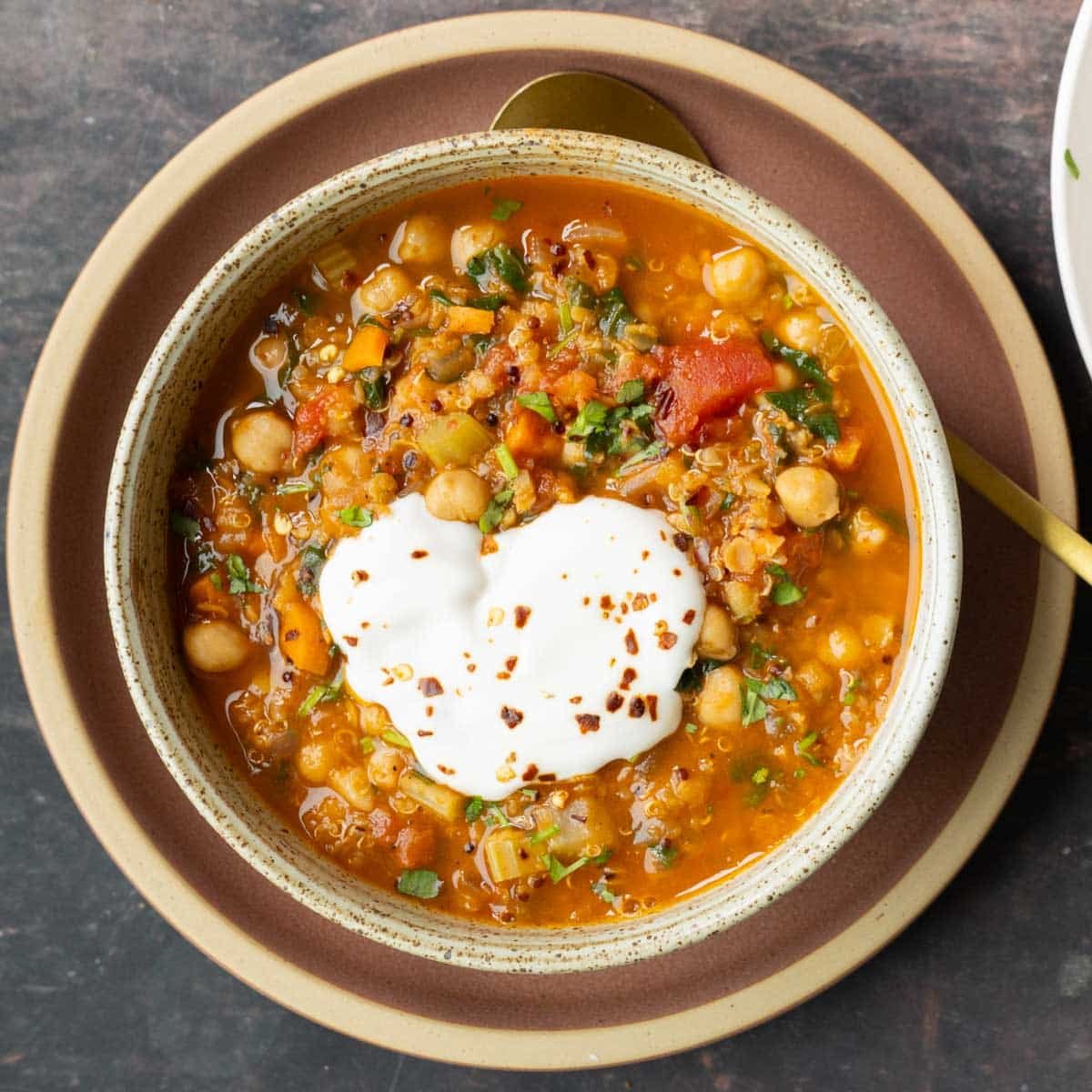
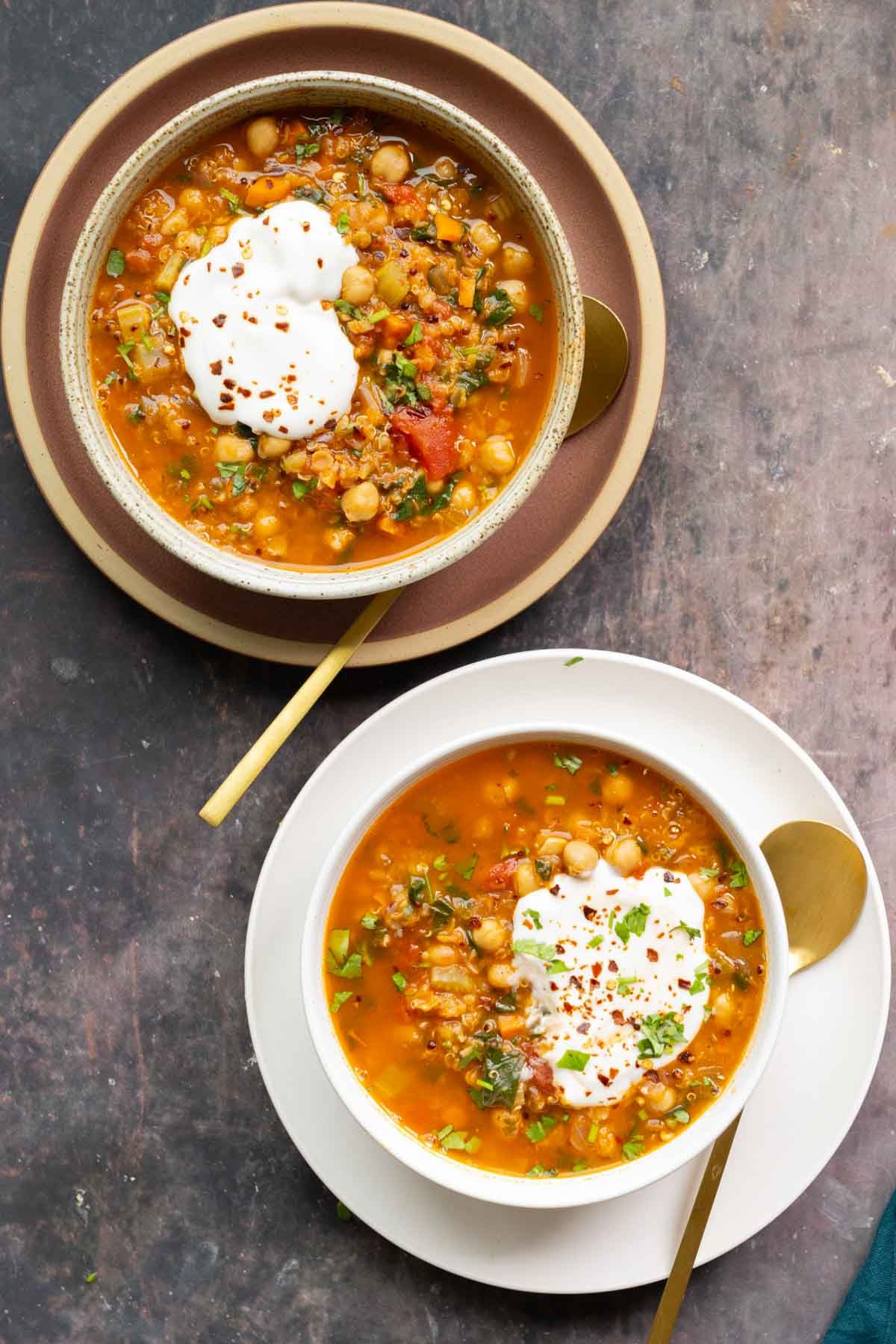
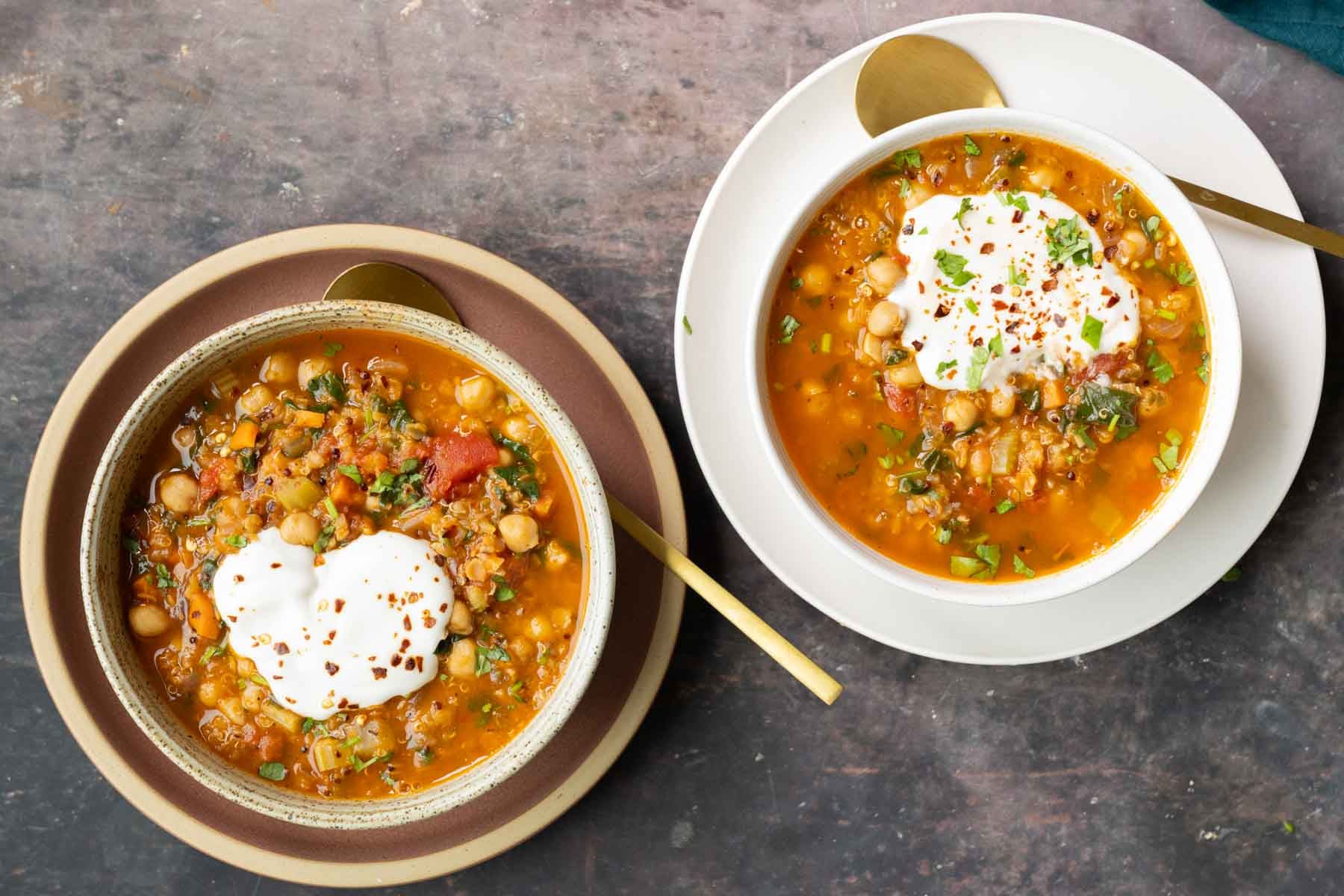
    This smoky Moroccan Harira soup with chickpeas, red lentils, quinoa, is a budget friendly 1 Pot meal! 21g Protein 21g fiber, bring crusty bread to dip. (gluten-free, soy-free, nut-free. Oil-free option.)

    bowls of Moroccan harira garnished with yogurt and red pepperbowls of Moroccan harira garnished with yogurt and red pepper

    This is such a hearty, delicious, and easy one-pot soup. Today, we’re converting pantry staples into a rich, deeply flavored, hearty, and satisfying harira. This Moroccan chickpea and lentil soup is budget-friendly, one-pot, meal prep-friendly, and packs 21 grams of protein and 21 grams of fiber per serving. It is cozy, and it tastes like it has been simmering all day, but it really only simmers for about 30 minutes!

    Often, harira has either pasta or grains added in it. I am using quinoa in the soup along with the chickpeas and lentils. That makes the soup gluten-free. It is also nut-free and soy-free, if you use nut-free and/or soy-free non-dairy yogurt for the topping, or just skip the yogurt topping altogether. Harira is rich and hearty, even without it.

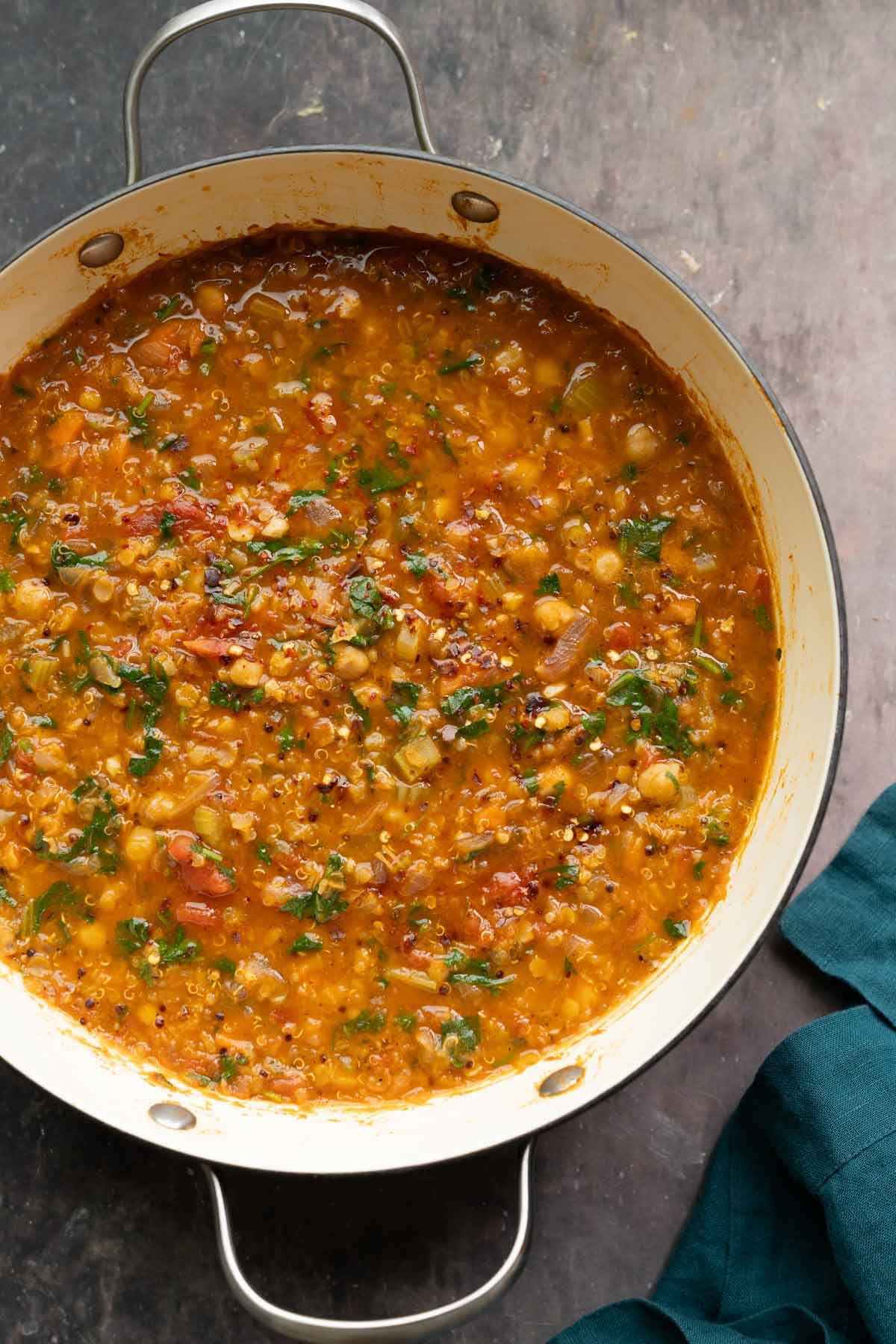
    close-up of pot of harira after cookingclose-up of pot of harira after cooking

    Serve this with a side of toasty bread, garlic bread, or pita bread, and topped with some creamy non-dairy yogurt and lemon juice. It’s also great over a baked potato or over roasted veggies.

    This recipe is rich in folate, iron, potassium, and magnesium from the lentils. It also has vitamin C and lycopene from the tomato. It is very budget-friendly, about $6.50 to $7 for the whole pot!

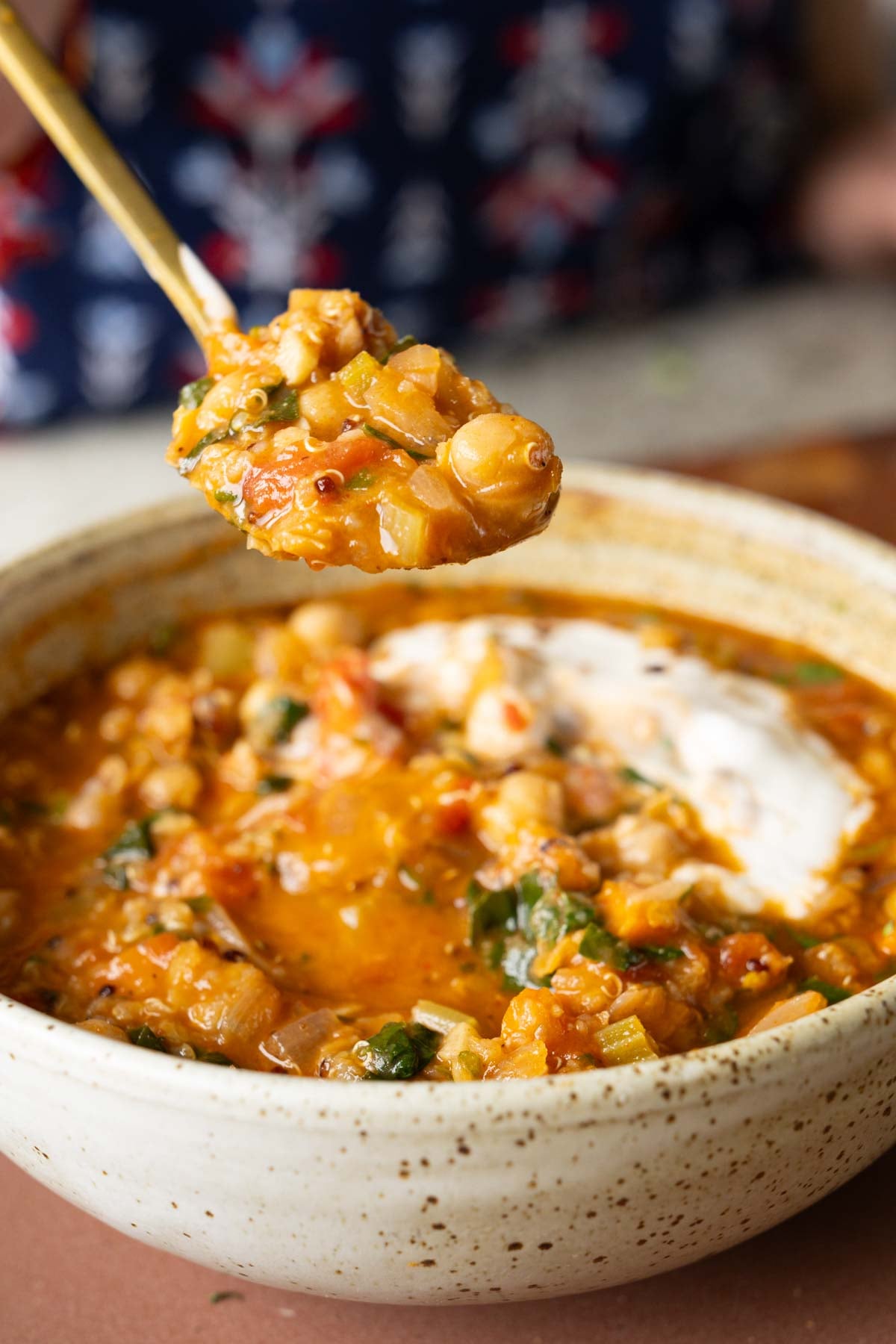
    spoon taking a bite of hariraspoon taking a bite of harira

    Why You’ll Love Harira

    • 1-pot soup packed with veggies, protein, fiber, and FLAVOR!
    • easy to make with simple, budget-friendly ingredients
    • flavors of cumin, smoked paprika, cinnamon, and black pepper paired with hearty chickpeas, lentils and quinoa
    • naturally gluten-free, soy-free, and nut-free with an oil-free option
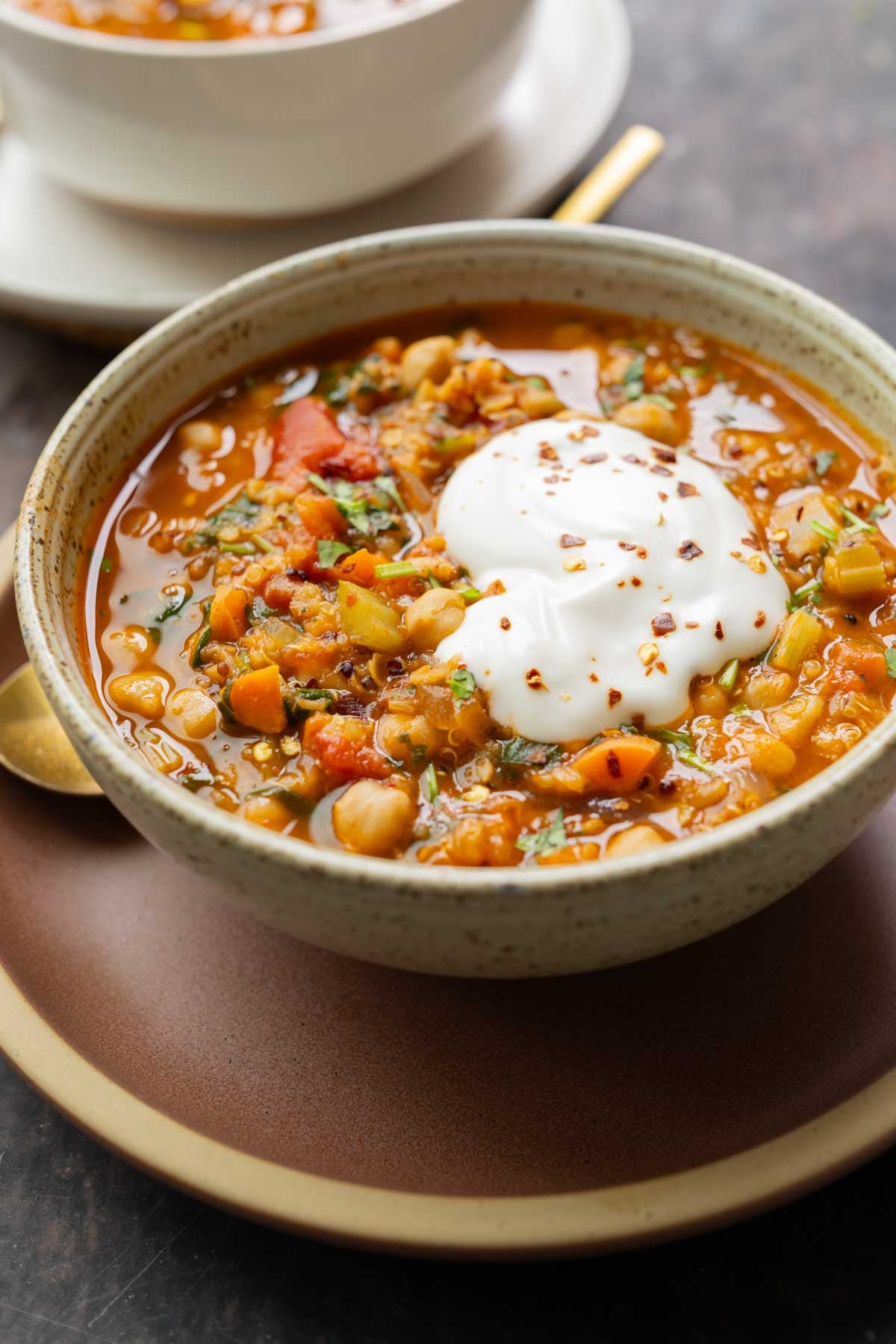
    bowl of Moroccan harira garnished with yogurt and red pepperbowl of Moroccan harira garnished with yogurt and red pepper

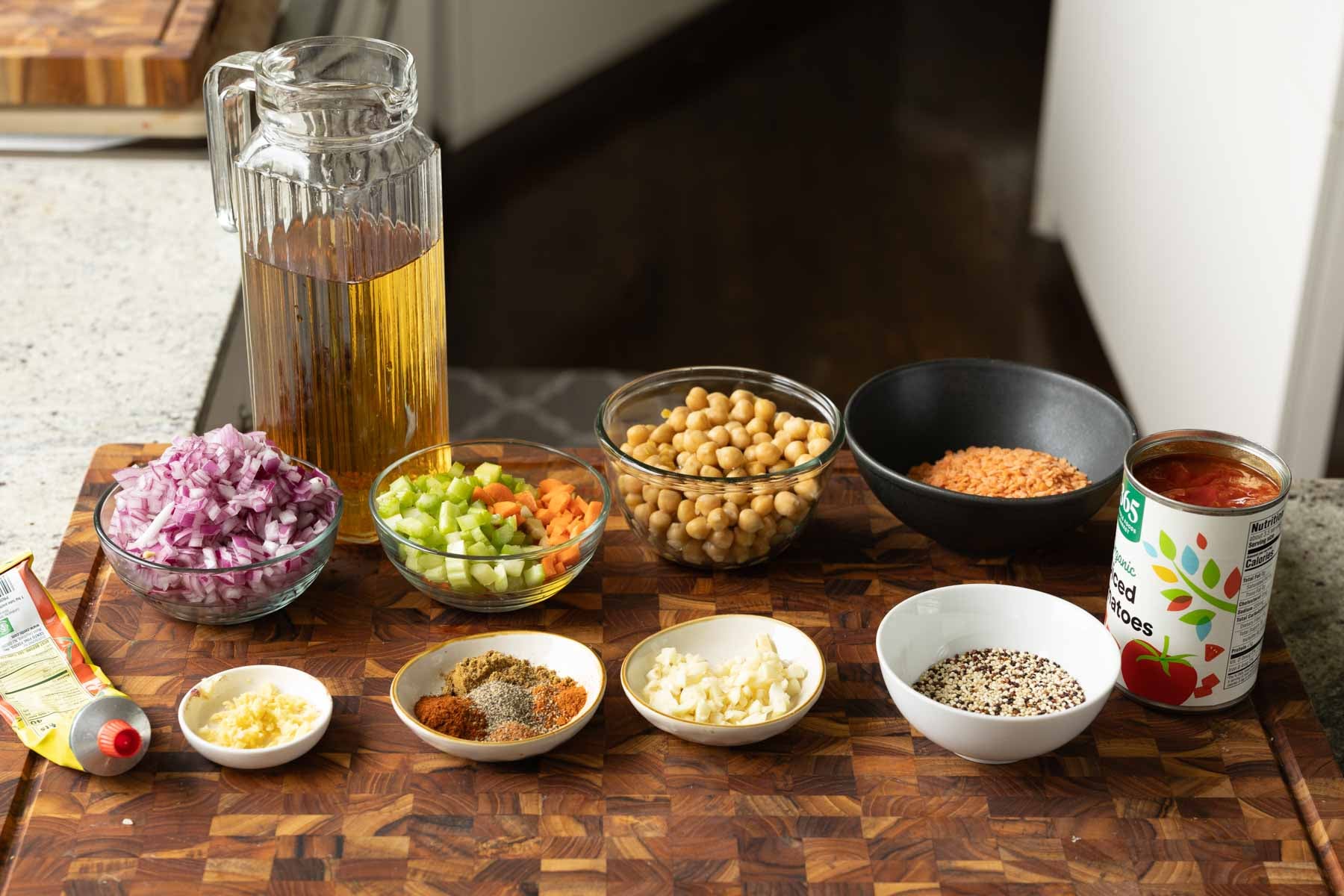
    • 2 teaspoons oil
    • 5 cloves garlic, finely chopped
    • 1 1/2 cups chopped red onion
    • 1/2 teaspoon or more salt, divided
    • 3/4 cup chopped carrots, chopped small, or use more, to taste
    • 3/4 cup chopped celery, or more, to taste
    • 1 teaspoon minced ginger
    • 1 1/2 tablespoons tomato paste
    • 1 teaspoon ground cumin, or 2 teaspoons ground coriander
    • 1 teaspoon smoked paprika
    • 1/4 teaspoon ground cinnamon
    • 1/2 teaspoon cayenne
    • 1/2 teaspoon black pepper
    • 15 ounce can diced tomatoes
    • 4 cups vegetable stock
    • 1/2 cup red lentils, , washed and drained
    • 1/4 cup dry quinoa
    • 15 ounce can chickpeas, drained, or 1 1/2 cups cooked chickpeas or use white beans for variation
    • 1/2 cup chopped cilantro, or parsley
    • 2 cups baby spinach
    • 2 to 3 teaspoons lemon juice
    • red pepper flakes
    • non-dairy yogurt, for garnish
    • lemon slices, for garnish

    Prevent your screen from going dark

    • Heat a large saucepan or deep skillet over medium heat, and add the oil. Once the oil is hot, reduce the heat to low. Add the garlic, and cook until the garlic is starting to just about turn golden, about 15 to 20 seconds. Then, add in the onion and a dash of the salt. Increase the heat to medium, then mix in the carrots and celery. Cook until the onions start to turn translucent, about 5 to 7 minutes.

    • Mix in the minced ginger, tomato paste, and all the spices. Add a splash of water, if the pan is drying out too much. Then, mix to toast the tomato paste for just 5 to 10 seconds. Mix in the canned tomatoes and another dash of salt. Continue to cook until the tomatoes have thickened a little bit, and mash some of the larger pieces of the tomatoes. 4-6 minutes, The mixture should kind of smell a bit roasted.

    • Mix in the stock, lentils, quinoa, chickpeas, and the remaining salt. Cover with the lid, and continue to cook this for 20 minutes or longer, until both the lentils and quinoa are cooked to preference. You can continue cooking this soup for another 10 minutes or so to thicken it and deepen the flavor, if you like. Taste and adjust the flavor at this point. Add more salt if needed. Add some more spices and herbs, if needed.

    • Chop the cilantro and spinach, if you haven’t already, then add them to the soup and mix them in. Then, mix in the lemon juice. Taste and adjust the flavor again, then let the mixture come to a boil, so that the greens can wilt a little bit. Switch off the heat.

    • Ladle the harira soup into bowls. Top with some non-dairy yogurt, sliced lemon, some pepper flakes, and some chopped parsley or cilantro. Serve with some garlic bread, sourdough, toasted pita bread, or over a baked potato or roasted veggies. You can also serve with croutons or crackers.

    You can add other spices to the soup, like ras el hanout or baharat.
    This harira soup is naturally gluten-free, soy-free, and nut-free as long as you use soy-free and/or nut-free non-dairy yogurt for topping. You can omit the yogurt all together, if you like.

    Calories: 422kcal, Carbohydrates: 73g, Protein: 21g, Fat: 7g, Saturated Fat: 1g, Polyunsaturated Fat: 3g, Monounsaturated Fat: 3g, Sodium: 614mg, Potassium: 1387mg, Fiber: 21g, Sugar: 15g, Vitamin A: 8293IU, Vitamin C: 35mg, Calcium: 214mg, Iron: 8mg

    Nutrition information is automatically calculated, so should only be used as an approximation.

    harira ingredients on the kitchen counterharira ingredients on the kitchen counter

    Ingredients

    • oil – To sauté. You can broth fry for an oil-free version, if needed.
    • aromatics – Red onion and garlic are the first flavor layer in this soup. You will also add ginger later on for even more flavor!
    • veggies – Carrots, celery, and canned tomato add flavor, texture, and more fiber.
    • tomato paste – Deepens the umami in this harira.
    • ground spices – cumin or coriander plus smoked paprika, cinnamon, cayenne, and black pepper add so much great flavor to this soup!
    • vegetable stock – A good, flavorful veggie stock adds moisture and more flavor.
    • red lentils – Adds fiber, protein, and texture to the harira.
    • quinoa – Harira can have grains or pasta in it. I’m using quinoa to make it gluten-free.
    • chickpeas – For protein and texture.
    • greens – Baby spinach plus cilantro or parsley add color and flavor.
    • lemon juice – Brightens the flavor.
    • toppings – Top steaming bowls of harira with red pepper flakes, non-dairy yogurt, and lemon slices. Choose soy-free and/or nut-free non-dairy yogurt, if needed.

    💡Tips

    • Toasting the tomato paste brings out the flavor and adds to the smokiness of the harira.
    • You can add other spices to the soup, like ras el hanout or baharat.

    How to Make Harira

    Heat a large saucepan or deep skillet over medium heat, and add the oil. Once the oil is hot, reduce the heat to low. Add the garlic, and cook until the garlic is starting to just about turn golden, about 15 to 20 seconds.

    Then, add in the onion and a dash of the salt. Increase the heat to medium, then mix in the carrots and celery. Cook until the onions start to turn translucent, about 5 to 7 minutes.

    Mix in the minced ginger, tomato paste, and all the spices. Add a splash of water, if the pan is drying out too much. Then, mix to toast the tomato paste for just 5 to 10 seconds.

    Mix in the canned tomatoes and another dash of salt. Continue to cook until the tomatoes have thickened a little bit, and mash some of the larger pieces of the tomatoes. 5-6 mins. The mixture should kind of smell a bit roasted.

    Mix in the stock, lentils, quinoa, chickpeas, and the remaining salt. Cover with the lid, and continue to cook this for 20 minutes or longer, until both the lentils and quinoa are cooked to preference. You can continue cooking this soup for another 10 minutes or so to thicken it and deepen the flavor, if you like. Taste and adjust the flavor at this point. Add more salt if needed. Add some more spices and herbs, if needed.

    Chop the cilantro and spinach, if you haven’t already, then add them to the soup and mix them in. Then, mix in the lemon juice. Taste and adjust the flavor again, then let the mixture come to a boil, so that the greens can wilt a little bit. Switch off the heat.

    Ladle the harira soup into bowls. Top with some non-dairy yogurt, sliced lemon, some pepper flakes, and some chopped parsley or cilantro.

    bowls of Moroccan harira garnished with yogurt and red pepperbowls of Moroccan harira garnished with yogurt and red pepper

    What to Serve with Harira

    Serve with some garlic bread, sourdough, toasted pita bread, or over a baked potato or roasted veggies. You can also serve with croutons or crackers.

    Frequently Asked Questions

    Is this recipe allergy friendly?

    This harira soup is naturally gluten-free, soy-free, and nut-free as long as you use soy-free and/or nut-free non-dairy yogurt for topping. You can omit the yogurt all together, if you like.

    Credit: Source link

  • How Much Do New Chemotherapy Drugs Extend Life?

    How Much Do New Chemotherapy Drugs Extend Life?

    If you put together all the new chemotherapy drugs approved over a dozen years, the average overall survival benefit is only 2.1 months.

    Though we often hear new cancer drugs described as “game changers” or “breakthroughs,” most afford much more modest benefits. In my last blog, I quoted an editorial in the Journal of the National Cancer Institute suggesting that the majority of new cancer drugs don’t deliver clinically meaningful benefits—at all. When they’re later proven to be ineffective, they’re pulled from the market, right? No. “[E]ven when postmarket studies show the new drugs to have no clinically meaningful benefit compared with [a sugar pill] placebo or observation, most drugs retain FDA [U.S. Food and Drug Administration] approval and remain on the market at prices comparable to those of the most expensive cancer drugs,” the same ridiculous prices. In fact, the most expensive drug the authors looked at, the one costing $169,836 a year, did not improve overall survival at all—and actually worsened quality of life. That’s $169,000 just to make you feel worse with no benefit. Why pay a single penny for a treatment that doesn’t actually help?

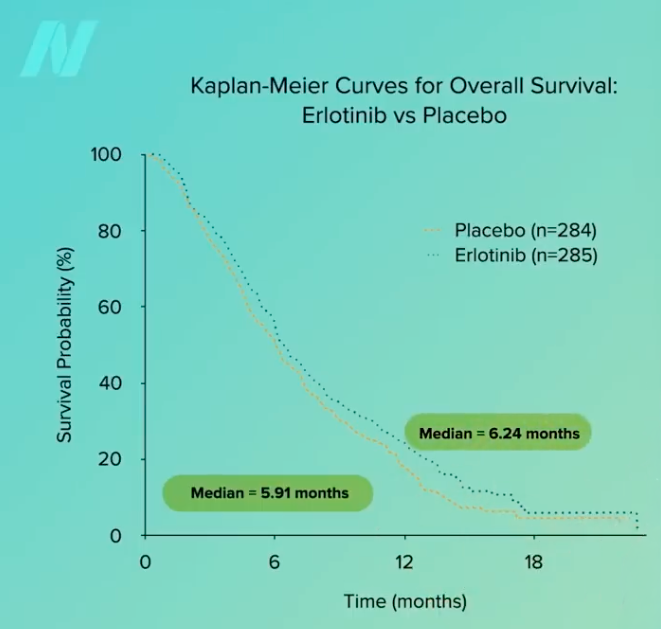
    And even when they do improve survival, what does that actually mean? The current trend is for Big Pharma to design large trials that may find statistically significant, but often trivial, differences in survival endpoints. For example, in a famous trial, adding a second drug, erlotinib, to gemcitabine for advanced pancreatic cancer significantly prolonged participants’ overall survival. They suffered more side effects, but they lived significantly longer; this wasn’t just a matter of tumor shrinkage. The placebo group only lived 5.91 months, whereas the added drug group survived all the way to… 6.24 months, as you can see at 2:02 in my video How Much Does Chemotherapy Improve Survival?.

    So, they only lived a third of a month longer? That’s just 10 days. All the side effects and expense for an average of just 10 days? That’s why doctors shouldn’t use statistical jargon—like “significant improvement in survival”—while telling patients about the benefits of a new treatment. When patients hear the word “survival,” they’re not thinking about a week and a half.

    If you put together all the new chemo drugs approved over a dozen years, the average overall survival benefit is 2.1 months. Now look, two months is two months—I don’t want to downplay that. But time and again, surveys have indicated that the patients expect much more. Incredibly, about three-quarters of patients with metastatic lung cancer or colorectal cancer did not report understanding that their chemo wasn’t at all likely to cure their cancer. Chemo is the primary treatment, but it is not curative; it’s just eking out a few extra weeks or months. Why weren’t the majority of patients told that? It’s not that they were being overly optimistic, explained a researcher. They were under the mistaken belief that the treatment offered a chance of cure when it in fact didn’t. “This deprives…patients of the opportunity to weigh the risks of chemotherapy (including the chance of adverse side effects), against the true benefits (perhaps some symptom relief and a few months longer life, but no chance of cure), and to make their own decisions about their care”—about their own bodies.

    If you ask cancer patients, most want at least half a year to stomach the side effects, which suggests that most cancer patients might not choose chemotherapy if they knew how little they’d actually benefit from it. But, everyone’s different. One patient interviewed said living even one week longer would be worth it. Another said they wouldn’t want chemotherapy, even if it offered two extra years of life, because they wouldn’t want anything to interfere with the quality of time they had left. Either way, people deserve to know the truth.

    I find it telling that oncologists and cancer nurses themselves express less willingness to accept intensive chemotherapy, given the toxicities associated with it. Most chemo drugs are cytotoxic, meaning they work by killing off cancer cells, but they also kill off some healthy cells as collateral damage, which is why they can damage our nerves, cause irreversible heart failure, slough off the linings of our gut, or damage our immune system.

    Drug companies frequently downplay the risks, though. For example, they describe the breast cancer drug ribociclib as having an “acceptable” side-effect profile for most patients and the pancreatic cancer drug liposomal irinotecan as having a “manageable and mostly reversible safety profile.” These were studies published in top medical journals. Naturally, readers would accept these statements as true. However, if you actually look at the data, the number of serious—or even life-threatening—side effects was double or even five times higher on the new breast cancer drug. And the “manageable and mostly reversible” side effects evidently weren’t referring to those who were killed by the drug. What do these terms really mean? As you can see below and at 5:19 in my video: “Manageable?” Serious events and deaths will never be considered manageable. “Acceptable” toxicity? Acceptable to whom? And “feasible?” Who would sign up for a drug whose toxicity could only be described as feasible? “Favorable?” Compared to what? “Tolerable?” That’s for the patient to decide. And “safe?” Any drug that kills people can hardly be considered safe.

    Still, patients may very well consider it worth the risk. For some cancers, there have been tremendous strides. Testicular cancer is one example, with chemotherapy offering more than a one-in-three chance of surviving to at least the five-year mark. It’s the same with Hodgkin’s disease, a relatively rare form of lymphoma. But even when researchers tried to err on the side of overestimating the benefit, for most common cancers—colon, lung, breast, and prostate—the chances that chemo would enable survival to the five-year mark appear to be more like 1% or 2%.

    Doctor’s Note

    If you missed the previous blog, see Chemotherapy Is Expensive—Is It Effective?.

    How can we help prevent cancer in the first place? See, for example, The Best Diet for Colon Cancer Prevention and others on the cancer topic page.


    Credit: Source link