


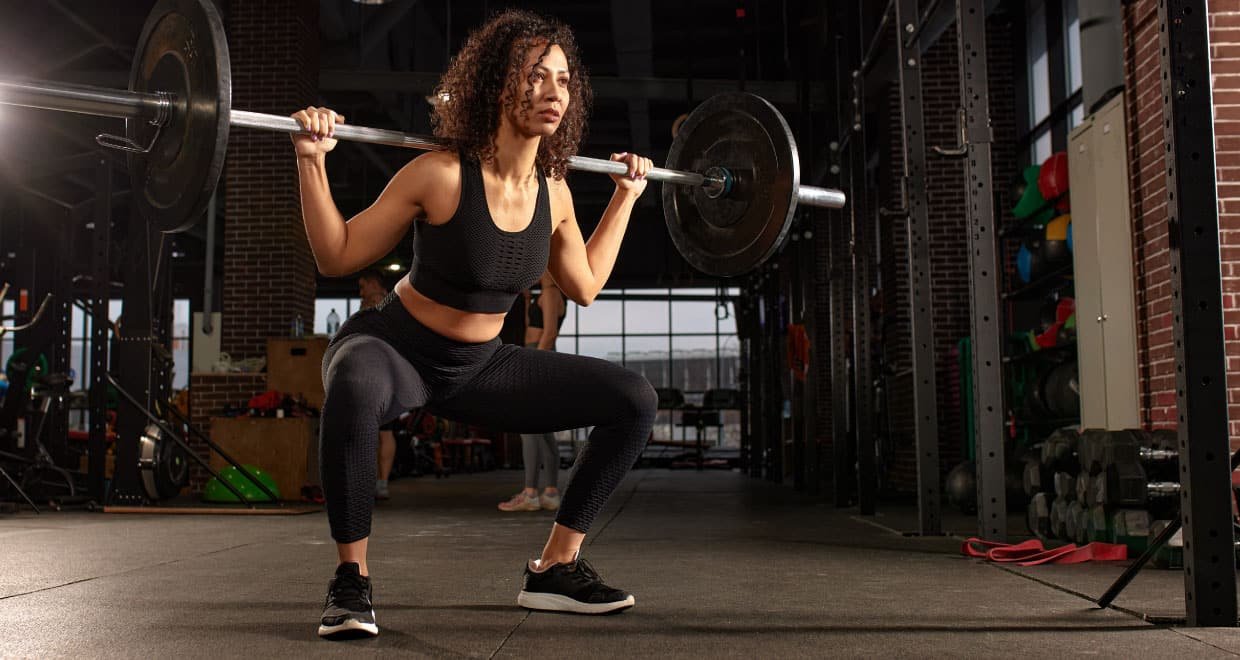
Ever wonder why men get ripped on a regimen of intermittent fasting, fasted cardio, low-carb eating and a conventional weightlifting program, while women struggle to shed weight, suffer from energy dips, and don’t see the same results with the same effort and approach?
Men and women share the same basic physiology, which means the same principles, such as progressive training to build strength and muscle, or creating a calorie deficit to lose weight, apply equally.
However, there are fundamental biological differences between the sexes based on our hormones, metabolisms and body composition that make our responses to training and nutrition different from men.
The fact that fitness and nutrition advice is predominantly based on research done almost exclusively on men means that conventional approaches often fail women.
The entrenched gender bias that exists in fitness and nutrition research stems from traditional attitudes and economic factors, like the cost of accounting for hormonal fluctuations in studies.
The result is a poor understanding of a woman’s unique biological needs, and generalised approaches that fail to support our health, happiness and progress in the gym.
Hormonal differences
An important difference is that men have more testosterone than women. This is the hormone that promotes muscle growth and strength, whereas women have higher levels of oestrogen and progesterone, which fluctuate across the menstrual cycle and influence our metabolisms, recovery, and fuel preferences.
For example, oestrogen increases the rate at which we burn fat for fuel. This means women tend to use more fat and spare glycogen during exercise compared to men when oestrogen levels are high.
Progesterone increases protein breakdown and body temperature, which can affect hydration, recovery, and performance.
Men and women also respond differently to stress, which means the stress hormone cortisol affects us in different ways.
Specifically, women tend to have a greater cortisol awakening response (CAR) than men. This stronger morning cortisol surge, which is particularly pronounced in the follicular phase of our cycle and blunted somewhat in the luteal phase, has significant implications for our energy levels and exercise response.
Oestrogen and progesterone influence cortisol dynamics, with oestrogen increasing total circulating cortisol while progesterone alters cortisol sensitivity.
The net effect is that women generally start the morning with higher circulating cortisol levels and a heightened stress state compared to men, which influences aspects like exercise selection and nutrient timing.
Body composition
Men and women have fundamental differences in their body composition, which are primarily driven by hormones and genetics.
Men typically carry more muscle mass, both in absolute terms and relative to their body weight. Men also tend to have a greater concentration of muscle in their upper body.
These differences in total and relative muscle mass influence our protein and calorie needs. Women also tend to lose muscle at a faster rate than men from the age of 30.
In addition, women generally have higher body fat percentages due to oestrogen, which encourages fat storage, particularly in the hips, thighs, and glutes.
Different metabolisms
Due to these differences in body composition, specifically muscle mass, men and women can differ in the rate at which we burn calories at rest. Testosterone also supports higher energy expenditure in men.
This difference in our resting or Basal Metabolic Rate (BMR) means men burn more calories at rest than women, and they can often lose weight more quickly when following the same calorie-restricted diet.
A woman’s metabolism is also optimised for energy conservation and reproductive needs.
These differences make it so important to consider the various factors when developing a personalised training, nutrition and supplement plan.
Timing your training
While many women traditionally rely on cardio and aerobics classes to get into shape, these conventional workout plans can leave us exhausted instead of strong.
The major issue is that cardio increases cortisol levels – the stress hormone that women typically have more of. Higher cortisol levels can make us more prone to adverse metabolic adaptations, such as reduced leptin (the “satiety hormone” that signals us to stop eating), menstrual dysfunction or thyroid downregulation, especially when coupled with calorie restriction.
Adding training stress to an already elevated cortisol peak in the morning, particularly if performed in a fasted state, can increase muscle breakdown, which can impair strength gains and increase recovery demands, especially if this is your normal routine. This is what leaves women “tired but wired”.
Women also respond better to phase training – an approach that aims to align physical activity with our menstrual cycle.
The hormonal fluctuations we experience throughout the month mean we tend to perform better in strength or intense endurance training in the follicular phase (first half of the cycle) compared to the luteal phase (second half).
A better approach for women is fed morning training, not fasted, fuelled by a meal with some protein and complex carbs. This lowers the cortisol peak and blunts the training-induced rise in cortisol while also providing amino acids to prevent muscle breakdown and improve strength gains and performance.
Evening training can also sometimes suit women better, as cortisol is naturally lower at this time of day, which means performance may improve.
Exercise selection
Many women have also been socialised into believing that “light weights, high reps” is the safest or most effective route to a toned physique. In reality, science strongly supports heavier, lower-rep strength training for women, both for aesthetics and long-term health.
Lifting heavy weights in the gym drives more efficient neuromuscular adaptations, delivering greater strength, and building more metabolically active muscle tissue that also shapes and firms for that sculpted look many women want.
However, due to our lower absolute muscle mass and strength, progress may seem slower, even if relative gains are similar to those of men.
But we do boast more fatigue-resistance and we recover faster, likely due to oestrogen’s protective effect, which means we can tolerate higher training volumes, shorter rest periods, and more frequent sessions than men.

Nutritional considerations
With a greater sensitivity to energy restriction, women need a considered nutritional strategy. Our biology is more sensitive to energy restriction and fasting because of the close link between the stress this causes and its impact on our metabolism, reproduction, and hormone regulation.
Meeting these biological needs means that severe calorie restriction and fasting can drain our energy and negatively impact our body composition due to a higher cortisol response to fasting or low energy availability.
Women also tend to experience greater dips in glucose during fasting, which can lead to more fatigue, brain fog, and mood swings.
If you want to benefit from the improved insulin sensitivity that comes with time-restricted eating, slightly longer eating windows, such as 12:12 (fasting-to-eating hours) or 14:10, are generally better than the more common 16:8 ratio that men tend to thrive on.
When it comes to our macronutrient requirements, women need the same relative amount of protein as men – roughly 1.6–2.2 g/kg/day for muscle growth and recovery – but generally require carbs before and after high-intensity training or strength work.
A moderate carb intake, focused around training, and in the luteal phase, is the ideal approach for women, rather than a strict sustained low-carb or keto diet, as carbohydrates play a stronger role in maintaining leptin, thyroid, and reproductive hormone function in women.
We also need to pay closer attention to specific nutritional requirements. For instance, women need significantly more iron to compensate for what we lose through our periods (18 mg/day vs. 8 mg/day for men).
Getting more calcium and vitamin D than men is also important for women because of our higher risk of osteoporosis. These risks also rise when we follow energy-restricted diets for prolonged periods, and don’t include strength training in our routines.
Smart supplementing
The shrink it and pink it practice is also rife in the supplement industry. Some brands create products for women by simply making a men’s version smaller and adding pink labelling, rather than formulating supplements with women’s specific needs and goals in mind.
However, supplements aren’t a “one-size-fits-all” solution. While this lack of attention to women-specific needs is insulting, it can also be harmful.
Certain supplements made specifically for men, such as pre-workouts, thermogenic fat burners and hormone boosters, may be dosed differently than those for women.
These products often deliver higher doses of active ingredients as men typically have higher tolerance levels due to their weight, with less potential impact on their hormonal systems.
A female body also metabolises compounds differently from the way the same substance is metabolised by a male body due to sex-specific differences in body composition, hormone levels, liver enzyme activity, and sensitivity to stimulants.
This means women often need lower starting doses, especially with stimulants and thermogenic blends, and should increase dosages cautiously.
A practical solution is to dose by bodyweight rather than using the “one-size” scoop sizes, especially for pre-workouts. It is also smart to start on a lower dose with stimulants, especially caffeine and avoid combining multiple thermogenic products.
A final consideration is the interaction that active ingredients can have with your cycle. Consider reducing your stimulant use during the luteal phase, when your stress sensitivity is higher.
You can also support a higher training intensity with pre-workouts and thermogenics during the follicular phase when your strength and energy levels are higher.

Author: Pedro van Gaalen
When he’s not writing about sport or health and fitness, Pedro is probably out training for his next marathon or ultra-marathon. He’s worked as a fitness professional and as a marketing and comms expert. He now combines his passions in his role as managing editor at Fitness magazine.
Credit: Source link
![[AUGUST] Absa RUN YOUR CITY TSHWANE 10K](https://naturalhealthwatchers.com/wp-content/uploads/2026/05/Absa-RUN-YOUR-CITY-TSHWANE-10K.jpg)
