Author: [email protected]

  • MAPLE PECAN COCONUT CREAM PIE

    MAPLE PECAN COCONUT CREAM PIE

    Hello, sweet readers. How are you? Today I share an elegant vegan recipe for coconut cream pie, with the extra treat of pecans. This recipe is adapted from Laura Wright, in her magnificent First Mess Cookbook. I have been a fan of Laura’s since I began blogging years ago, and her recipes never disappoint. The original is all coconut all the time, but I tried using pecans instead of coconut in some parts and I loved the result. I hope you enjoy these photos, and perhaps make the recipe yourself! If you do, you know I love to hear from you about how the process went, and how the recipe turned out. 

    The pie is luscious, just sweet enough, and superbly nutty… a little like… me? :O 

    I’ve enrolled for yet another term at university. Who knows how long I will keep attending. At this point, I suspect I am in a position to compete for Who Took The Longest To Get A Bachelors. I do enjoy the experience though, and I always eager to keep expanding my perspectives and understandings of this weird world. I study history, and find it totally vital to properly conceptualizing my reality. I especially find it essential to interrogate normative views on gender, race, class, language, religion, and the like. Such unequal power structures developed under colonialism are still operating today, albeit in stealth mode. We MUST dismantle such structures if we might ever hope to build a world in which all participants are actually treated as the humans they are.

    I’m finally sorting out a kind of longer term plan for my next few years. Once I finish school, I will acquire a vehicle (and a driver’s license…) and hit the road. I want to get out of the city for a period longer than just a few weeks. So I will find a modest dwelling (cabin, collective house, apartment…) in the woods or a small town and lay low, working, meditating, gardening, listening to music, writing, drawing, reading. After this phase, the plan is up in the air. I feel both that I could go down a great number of paths and find happiness, but am also paralyzed by the abundance of opportunity. Needless to say, this is a Privileged Problem if ever there was one. For now: I am trying to find sacred moments in each day, rest when I need to (most of the time, tbh) and practice ~ self-compassion and non-judgement ~ ! Dealing with depression and anxiety is sooo much easier when I remember I don’t need to shame myself about the experience (Re: Buddhism’s “second arrow” teaching).

    Thank you to all of you who actually read my posts. I am eternally grateful. I also super appreciate your emails and comments reminding me not only am I not alone out here, but in fact, in community with the most wonderful humans. Genuinely wishing each and every one of you a safe and comfortable week, and perhaps a magical moment or two. Let’s eat pie and love ourselves unconditionally!

    P.S. A little update: I have finally updated my email service provider to MailChimp. They’re great, but they’re also pretty pricey. So, if I see enough of an increase engagement to make it worth it, I’m looking forward to continuing to email you through their service. It’s WAY better. In other words: please click stuff on my blog! Read it! Stay a while. 😉 xo

    MAPLE PECAN COCONUT CREAM PIE

    Crust:

    1/2 cup pecans

    1 1/2 cups gluten-free rolled oats

    1/2 cup shredded coconut

    1/2 teaspoon sea salt

    2 tablespoons maple syrup

    2-3 tablespoons almond milk

    Filling:

    2 cups full-fat coconut milk

    1/2 cup shredded coconut 

    1/4 cup pecans

    1/3 cup maple syrup

    1 tablespoon vanilla extract

    1 teaspoon lemon juice 

    1/4 teaspoon sea salt

    1/2 cup coconut oil

    1 1/2 teaspoons arrowroot powder

    Whipped cream:

    Topping:

    1/2 cup pecans, lightly toasted

    1/2 cup shredded coconut, lightly toasted

    To make the crust: preheat your oven to 375 degrees Fahrenheit. Line a pie or tart pan with parchment paper, tin foil, or coconut oil. Grind the oats, coconut and pecans into a rough flour in a food processor. Add the other ingredients and process until you have a dough that hold its shape when pressed between two fingers. If it’s too dry, add more almond milk in small increments. Press into your pie or tart pan, and poke the bottom with a fork so you have hole for ventilation. Bake until lightly golden brown around the edges, around 11-12 minutes. Let cool on a wire rack. 

    To make the filling: blend all the ingredients in a blender or food processor until smooth and thick, like yogurt. If it’s too thin, add more coconut shreds. If it’s too thick, add more coconut milk. Once your crust has cooled, pour in your filling and leave in the fridge over night so it can set. 

    Assembly: if you wish, gently and carefully remove your pie from the pan. Scoop your whipped coconut cream on top, and sprinkle on your toasted pecans and coconut, if using. An extra sprinkle of sea salt and a drizzle of maple syrup might be a decadent addition before serving. Enjoy! 

    Credit: Source link

  • Benzoyl Peroxide or Tea Tree Oil for Acne?

    Benzoyl Peroxide or Tea Tree Oil for Acne?

    What happened when a 5 percent tea tree oil gel was pitted head-to-head against the leading over-the-counter treatment for pimples?

    “Acne vulgaris remains one of the commonest diseases to afflict humanity.” As I discuss in my video Benzoyl Peroxide vs. Tea Tree Oil for Acne, according to some online surveys, tea tree oil appears to be “the second most commonly used topical treatment” for acne after benzoyl peroxide. “Crowdsourcing” may be “a novel research method for evaluation of acne treatments,” but before getting too enamored with popular wisdom, you should know information on facial application of “urine as a home remedy for acne” is also circulating on the internet.

    “Urine therapy advocates cite historical use as proof of its therapeutic potential claiming urine not only as a treatment for numerous skin conditions, but also as a ‘free cure’ for many systemic diseases,” apparently forgetting all of the horrific skeletons crowding the closets of medical history. “While recycling what the body intentionally removes may seem counterintuitive to good health,” what about Premarin? (They’re talking about the hormone therapy drug made from PREgnant MARe’s urINe.) The best argument for putting pee on your face appears to be that some women swallow pills made from pregnant horse pee. I’m not exactly following the logic there.

    Of course, there are drugs for acne. There are always drugs, as you can see at 1:18 in my video. Though, with drugs come side effects. Antibiotics that suppress the bacteria that cause acne “are the standard treatment…but are becoming less effective probably because of the emergence of antibiotic-resistant strains.” The prevalence of resistant strains has grown rapidly, such that antibiotics for acne are no longer recommended on their own as “mono-therapy” and re-evaluations are advised every six to eight weeks.

    Bacteria do seem to be susceptible to tea tree oil in a petri dish, however, but many of these kinds of studies were performed with free-floating bacteria, whereas, in pimples, the bacteria form what’s called a biofilm, which generally makes them more difficult to eradicate. The bacteria form like a “biological glue” that plugs up the follicle, so petri dish studies can only tell you so much.

    But, even if tea tree oil couldn’t kill off the bacteria, it has been shown to suppress skin inflammation. Indeed, if you inflame people’s skin with an allergen and then try to calm it down, tea tree oil does a decent job compared to an over-the-counter ointment or a moderate-potency prescription steroid cream. So, potentially, tea tree oil could help with acne either via an antibacterial mechanism or from an anti-inflammatory standpoint. You don’t know…until you put it to the test.

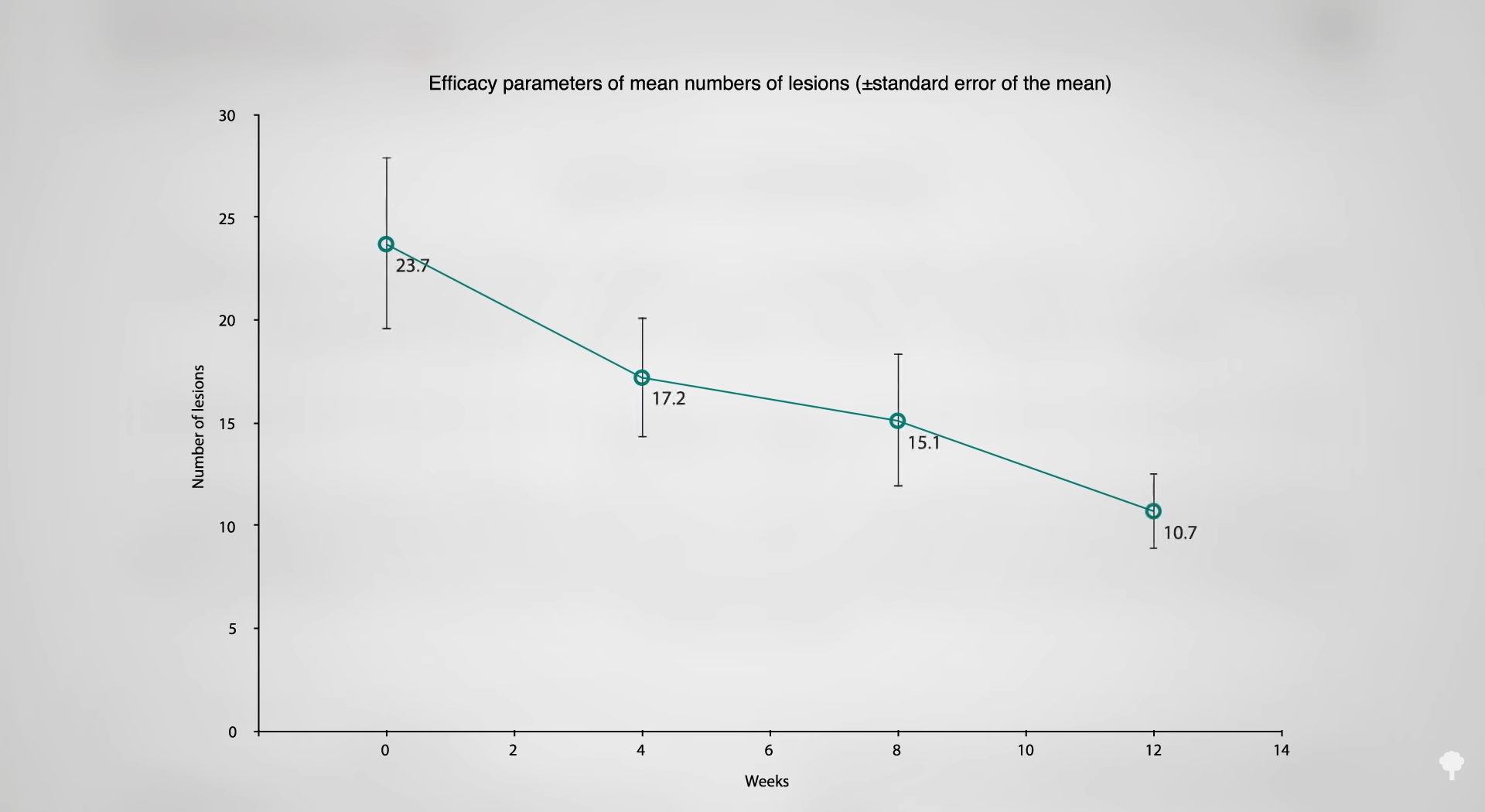
    As you can see at 2:38 in my video, a 20 percent tea tree oil gel was applied twice a day in a study, and researchers saw a beautiful drop in acne lesions after one, two, and three months. About 24 pimples at the start of the study down to about 11. The researchers concluded that tea tree oil could “significantly improve mild to moderate acne and that the products were well tolerated,” but the study had fatal flaw. Did you guess? There was no control group.

    How do we know the subjects wouldn’t have healed even faster without the tea tree oil? In a systematic review of randomized, clinical trials on tea tree oil, the “most striking finding” is that researchers could hardly find any randomized clinical trials on tea tree oil. Given “the widespread use” of tea tree oil, “this is both disappointing and important to note.”

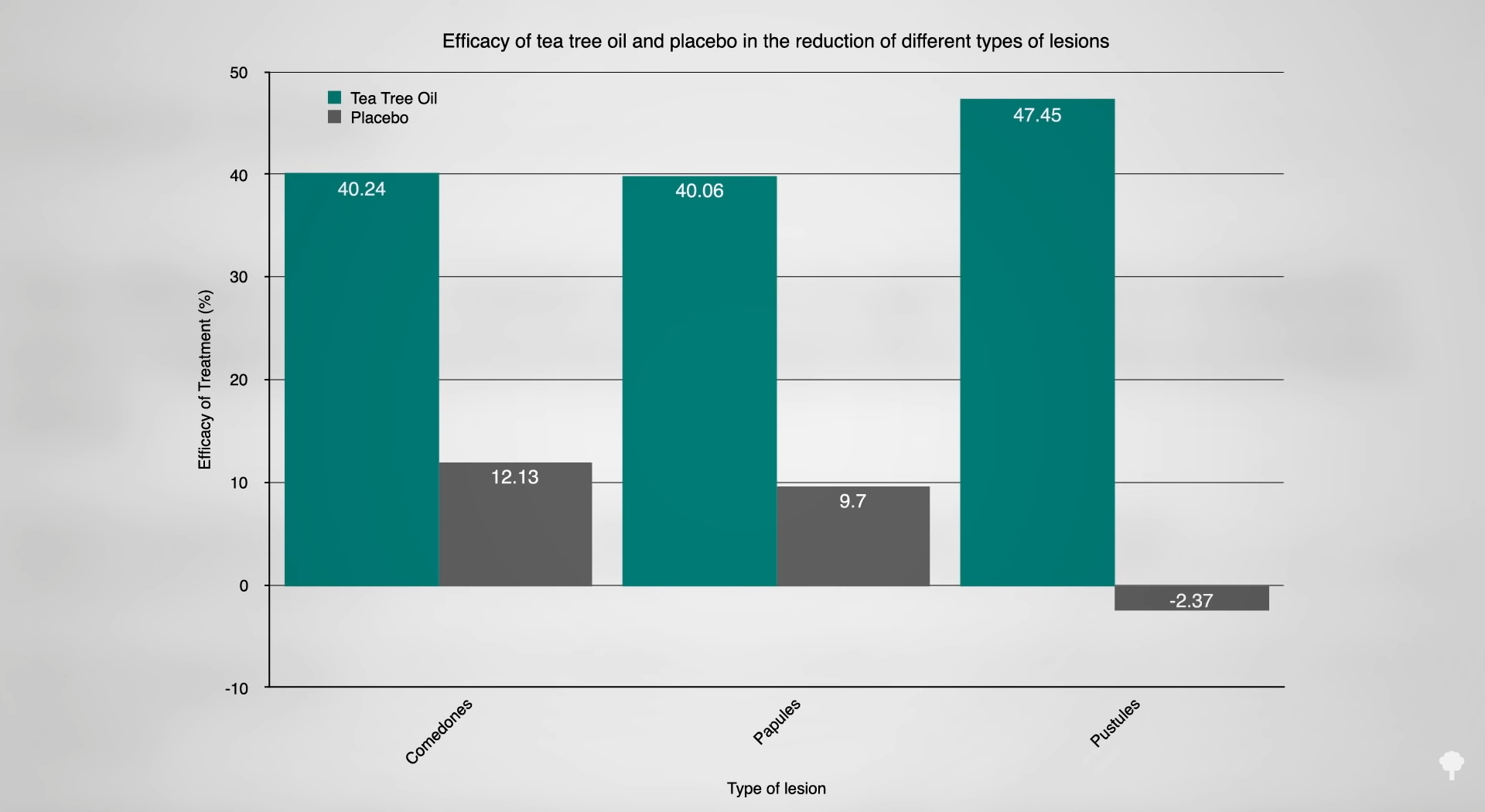
    Researchers finally conducted a randomized, double-blind, placebo-controlled trial of a 5 percent topical tea tree oil gel in mild to moderate acne. As you can see at 3:27 in my video, after six weeks, the tea tree oil group experienced a 40 percent drop in whiteheads and blackheads, a 40 percent drop in red and tender acne bumps, and a 47 percent drop in pus-filled pimples, compared to comparatively little change in the control group. Overall, in terms of total lesion count, the tea tree oil gel was three and a half times more effective than placebo—that is, three and a half times more effective than essentially doing nothing. But, most teens don’t do nothing for their pimples. How does tea tree oil compare to benzoyl peroxide, the gold standard?

    By far, benzoyl peroxide is the most popular over-the-counter acne therapy—despite its side effects. It can be irritating, causing “erythema [redness], dryness, peeling, stinging, or burning.” However, the prescription option—the long-term use of topical or oral antibiotics—is discouraged due to the development and spread of antibiotic resistance. As a result, attention has turned to “non-antibiotic products such as tea tree oil.”

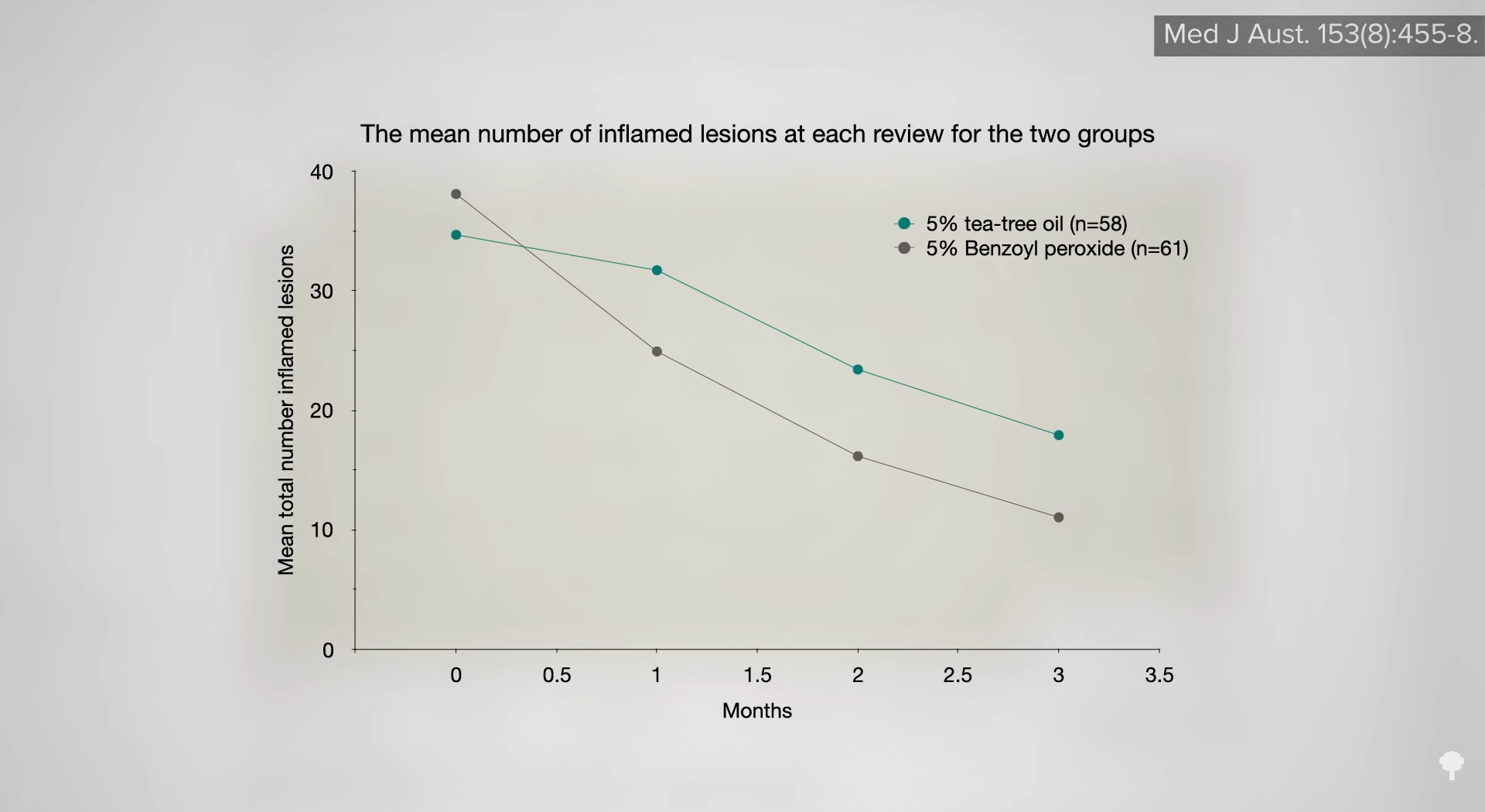
    Compared to tea tree oil, benzoyl peroxide did cause more side effects, including “dryness, pruritus [itching], stinging, burning, and redness”—but it also worked better, cutting the number of inflamed pimples by two-thirds within three months versus only by half in the tea tree oil group, as you can see at 4:33 in my video. The most recent study found them to be more comparable, though.

    Putting all of the studies together, tea tree oil products were not only found to outdo placebo, but they approximate more standard regimens, like benzoyl peroxide or topical antibiotics, suggesting tea tree oil products may be “an appropriate option for treating mild-to-moderate acne.”


    Credit: Source link

  • This Rawsome Vegan Life: SALTED CHOCOLATE HAZELNUT TRUFFLES

    This Rawsome Vegan Life: SALTED CHOCOLATE HAZELNUT TRUFFLES

    Hello, my dearest readers! Thank you for being you today! I have a WONDERFUL recipe to share. These truffles are so creamy and decadent, so cute and precious, you might want to have one (or four…) to start every day. I just had a couple for pre-breakfast and I testify that, thanks to these little bites of rich deliciousness, the morning could NOT have begun any better. The recipe calls for making your own hazelnut butter, which is a divine process, because of how amazing roasted hazelnut butter smells. But, you can just use store-bought hazelnut butter if you want. You also don’t need to make your own chocolate, you can simply melt some dark chocolate and use that. Much love, talk soon!

    xo, em

    //

    SALTED CHOCOLATE HAZELNUT TRUFFLES
    Makes 20-25 truffles.
    Print the recipe.

    Truffles:
    2 cups hazelnuts
    Scant 1/4 cup cacao powder
    1/2 cup maple syrup
    1/2 teaspoon sea salt
    1/4 teaspoon vanilla extract
    1/4 cup non-dairy milk, if needed

    Chocolate coating:
    2/3 cup cacao powder
    1/3 cup maple syrup
    1/3 cup melted coconut oil
    1 teaspoon sea salt

    Make the truffles. I recommend toasting the hazelnuts, but you can leave them raw. If you are toasting them, preheat the oven to 350 degrees Fahrenheit, and toast for 10-20 minutes. Check often, and take out when they smell fragrant and have just hints of browning. (They burn fast, so be careful!) Next, in a powerful food processor, blend the hazelnuts and sea salt into hazelnut butter. It will take 5-10 minutes and you may have to let the food processor rest. You will probably need to get in there with a spatula a few times to mix it all up so it blends evenly. Eventually: a rich, creamy, heaven-scented hazelnut butter will appear! Just be patient. Next, add the remaining truffle ingredients to your hazelnut butter and process until you have a thick mixture, like chunky whipped butter. If you need it smoother or less thick, add a little non-dairy milk. The mixture should be slightly oily, which makes it easy for rolling into balls. Roll into truffles (mine were about 1 tablespoon each) and put in the freezer until solid.

    Make the chocolate. Mix the cacao, maple syrup and melted coconut oil together until smooth and ridiculously delicious. You may need to reheat the chocolate to keep it liquid as you coat your truffles.

    Assemble. Dip your hardened truffles into the melted chocolate, or pour the chocolate over your truffles, then sprinkle with sea salt. Leave in the freezer or fridge until they’ve hardened up. Store in the fridge for 5-7 days. Enjoy!

    NOTES:
    – You can use 1 1/2 cups of roasted hazelnut butter instead of making your own.
    –  Instead of making truffles, you can store the chocolate hazelnut mixture in a jar in the fridge: it’s basically fancy vegan Nutella. I would add 1/4 to 1/2 cup more non-dairy milk to it if this is your plan though; it makes it creamier and more spreadable.
    – If you’re having trouble rolling the truffles into balls, wet your hands so the mixture doesn’t stick to your hands.
    – You don’t have to use my chocolate recipe, you can simply melt 1 cup of dark chocolate instead.
    – I use and love Marphyl white sea salt, it’s my fave at the moment. Would highly recommend!

    Credit: Source link

  • Can We Detoxify Lead from Our Body in a Sauna?

    Can We Detoxify Lead from Our Body in a Sauna?

    How much does sweating from a sauna or exercise get rid of lead and mercury?

    In my video Is Henna Safe?, I talk about a study that proved lead could be absorbed through the skin and into the body. Researchers applied lead to someone’s left arm and then measured the level of lead in the sweat from their right arm over the next few days. As you can see at 0:16 in my video Flashback Friday: Can Saunas Detoxify Lead from the Body?, there was a big spike, proving that lead can not only go into our body, but also out of it. If we can lose lead through sweat, can we sweat for detoxification?


    “No person is without some level of toxic heavy metals in their bodies, circulating and accumulating with acute and chronic lifetime exposures.” Cultures around the world have viewed sweating as health-promoting. “Worldwide traditions and customs include Roman baths, Aboriginal sweat lodges, Scandinavian saunas…and Turkish baths,” but what does the science say?

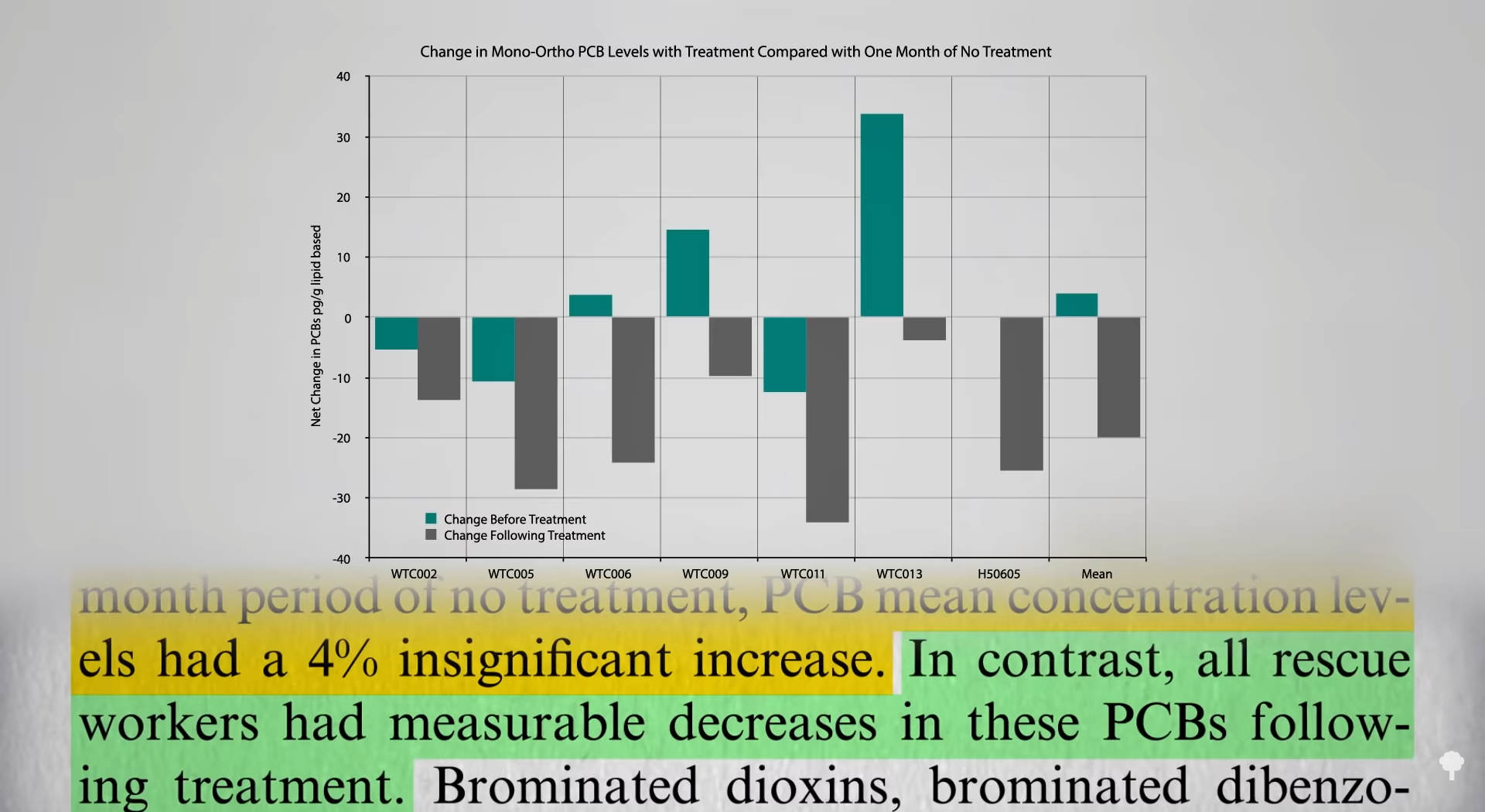
    When I looked up saunas, I was surprised to see a study on the detoxification of 9/11 rescue workers, with a regimen that “included exercise, sauna bathing and vitamin and mineral supplements.” As you can see at 1:00 in my video, the researchers reported on seven individuals. Evidently, during the month before the treatment, polychlorinated biphenyl (PCB) levels in their blood stayed about the same. Following the treatment, however, all rescue workers had measurable decreases in these PCBs and reportedly felt better, too. They had all sorts of symptoms—respiratory, neurological, musculoskeletal—and they all felt better after the treatment. These improvements were consistent with nearly 400 others treated with the same protocol.

    Hold on. If 400 people were treated, why were the results from only seven individuals reported? That’s a bit of a red flag, but not as red as this: The detoxification regimen was developed by L. Ron Hubbard, the man who founded the infamous Church of Scientology. What’s more, the lead author of the detoxification paper appears to have failed to disclose his financial conflict of interest for presumably profiting off of the treatments.

    Nevertheless, sweating does represent a “time-honored treatment” in the field of medicine for mercury poisoning, going back centuries. But other time-honored medical treatments include drilling open people’s skulls to release evil spirits or even giving people mercury itself. Remember mercurochrome? What do you think the “mercuro” stood for? In fact, some believe Mozart died of mercury poisoning trying to cure his syphilis, though all of the bloodletting he got probably didn’t help either. Bloodletting, another time-honored medical treatment that makes Scientology saunas look mild in comparison. There was a case report that described a person who apparently recovered from mercury poisoning “after six months of sweats and physical therapy,” though he might have gotten better anyway. You don’t know…until you put it to the test.

    Mercury wasn’t formally studied, but lead was. Study participants stayed in a 200-degree dry sauna for 15 minutes, and, based on sweating rates, about 40 micrograms of lead were forced out of the body, with some people getting rid of 100 micrograms or more per 15-minute session. So, you could drink a gallon of chicken broth, and, even if you absorbed all of the lead in the bone soup, you could be back to baseline after just one sauna session.

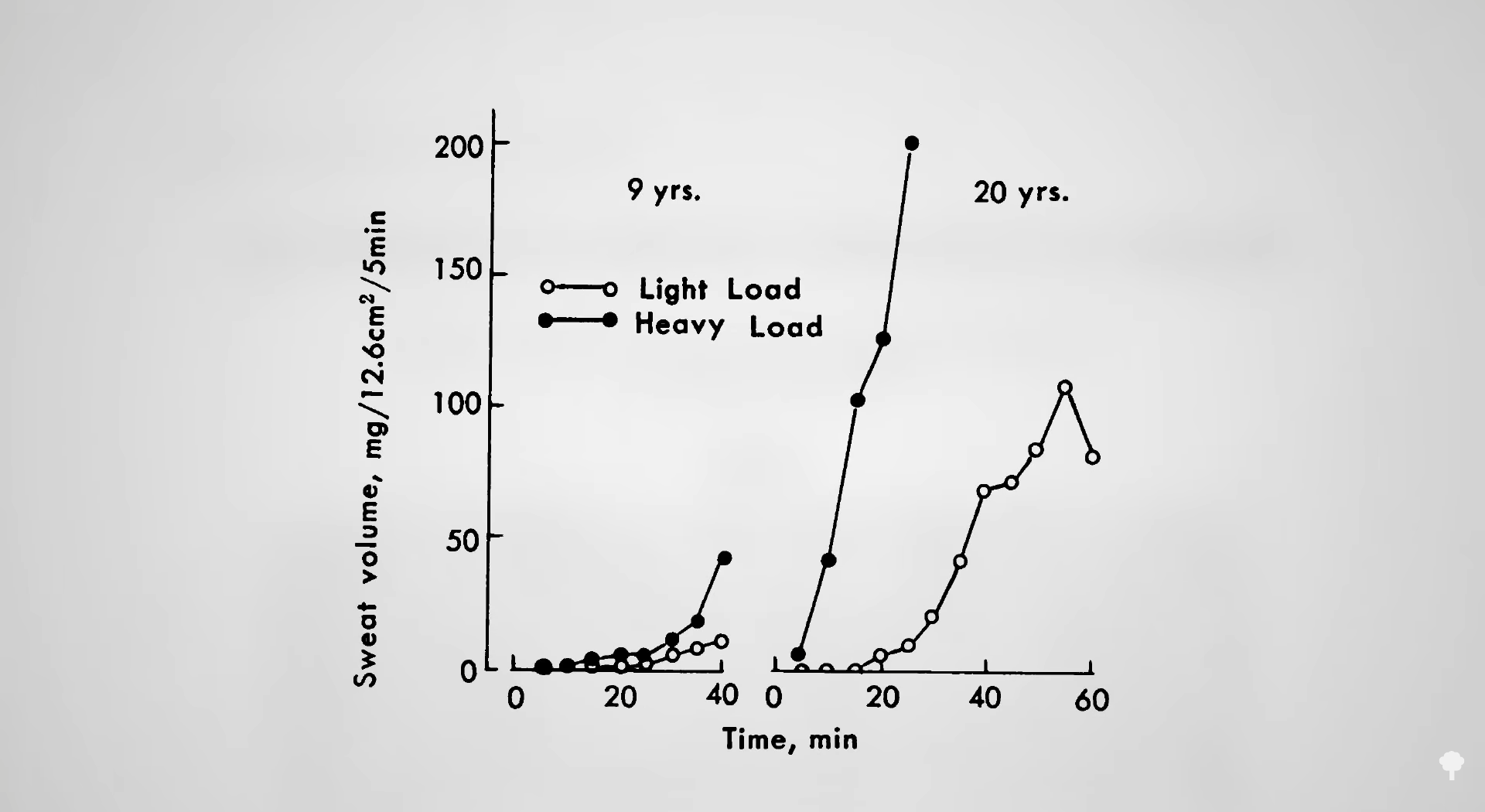
    Are saunas safe for children? “Based on the present scientific knowledge, sauna bathing poses no risks to healthy people from childhood to old age,” though medical supervision couldn’t hurt. This doesn’t mean it would be as effective in children because adults sweat a lot more than kids do, and, of course, kids are the ones who need lead detoxing the most, as you can see at 3:36 in my video. “There is a clear need for robust trials”—robust clinical trials—to test all of this, but even if it works, it’s not as though everyone who needs it—even those who need it most, like a child in Flint, Michigan—will have access to a sauna. That’s why I was so excited to find a paper that investigated the change in blood lead levels of basketball players after strenuous exercise. Saunas aren’t the only way to sweat. What about strenuous physical activity?

    A study found that aerobic endurance training led to a drop in lead levels, with rowing more effective than cycling, but how long and how intense did the workout need to be? The paper was in German, but it seems the researchers ramped up the stationary bike by 50 watts every two minutes until the subjects reached exhaustion. So, it was probably just a few minutes with no significant before-and-after difference in blood or urine lead levels, whereas an hour-long endurance exercise row did seem to drop lead levels by about 12 percent.

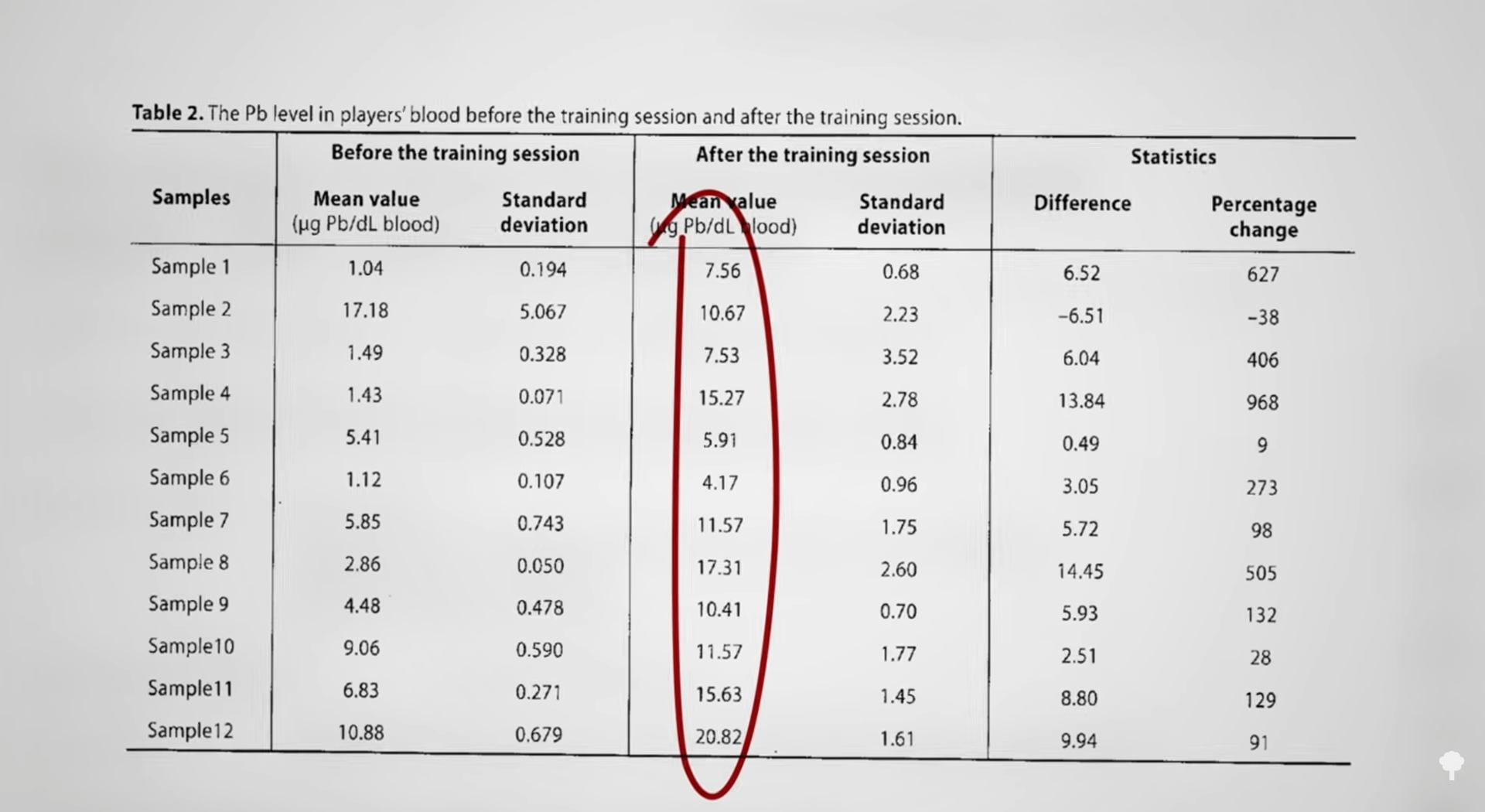
    I could read the basketball player study, though, since it was in English, and, as you can see at 4:38 in my video, college basketball players’ blood lead levels significantly increased—by nearly 300 percent—after a single intense training session on the court. The researchers suspected it was because it was so contaminated where they were playing. The study was done in Turkey, where the lead levels in the air are so high that all of that extra breathing by the athletes evidently made things worse, which I think underscores an important point.

    All of the dietary tweaks I’ve talked about for lead poisoning and sweating it out could be thought of as more expedient and less costly than primary prevention—that is, getting at the root cause. However, “this represents a retreat of sorts from previous commitments to a clean environment and to abatement of hazardous pollutants” in the first place. Indeed, lifestyle “nutritional interventions should be thought of only as temporary solutions and continued emphasis must be placed on eliminating lead in children’s environments” in the first place.

    How about diet instead? See How to Lower Heavy Metal Levels with Diet.

    What about chelation therapy? Check out Heavy Metal Urine Testing and Chelation for Autism.

    What about the non-heavy metal aluminum? See Antiperspirants and Breast Cancer.


    Credit: Source link

  • MY FAVE VEGAN COOKBOOKS!

    MY FAVE VEGAN COOKBOOKS!

    Hello, dear readers. This is a pretty epic post, that, in my mind anyway, has been a long time coming! Today I wanna share my favourite cookbook titles with you. This collection is tried and true, according to my humble perspective. I get mailed a lot of cookbooks to review, and it’s been this way for almost 8 years. After all my testing, behold: the best of the best. 

    This collection is
    Credit: Source link

  • Happy Friday, everyone! Check out this recipe to get your weekend started

    Happy Friday, everyone! Check out this recipe to get your weekend started

    Last updated on

    Happy Friday, everyone! Check out this recipe to get your weekend started by thejuiceyard

    Happy Friday, everyone! 🙌 Check out this recipe to get your weekend started:

    🍊 6 Oranges
    🥕 7 Carrots
    🍋 1 Lemon
    🧡 Ginger & Turmeric
    Yield: 20 ounces


    Some of the links I post on this site are affiliate links. If you go through them to make a purchase, I will earn a small commission (at no additional cost to you). However, note that I’m recommending these products because of their quality and that I have good experience using them, not because of the commission to be made.

    About user

    Juicing for Health was founded by certified Wellness Health Coach, Nutritional Consultant and a Detox Specialist. We help busy men and women identify their health issues at the root cause, in order to eliminate the problems for optimum physical/mental health and wellbeing.


    Credit: Source link

  • BERRY TARTS with HAZELNUT BANANA FILLING

    BERRY TARTS with HAZELNUT BANANA FILLING

    Hello, my darlings. How have you been? I am back with another recipe. This time, we’re making RAW, VEGAN fruit tarts with a delicious hazelnutty banana creme filling. This recipe is inspired and adapted from one I shared many years ago: Just The Bare Fruit Tarts. (I was really into GIFs then, apparently.) IMPACT Magazine will be sharing today’s recipe in their upcoming issue, so stay tuned for that and buy a copy if you want!

    In other news: I am hosting a JUICER GIVEAWAY with Hurom on Instagram this month. Click here to see the post and enter the giveaway. Good luck! 😉

    About the recipe: An ideal summer treat, these tarts are absolutely bursting with colour, flavour, and natural sweetness. The ingredients are indeed mostly fruit, from the crust, to the filling, to the topping. Plus, we’ve got some hazelnutty goodness in there too to round things out. You can add whatever extra toppings you like to make these extra delicious and to suit your mood. Note: If you don’t have hazelnut butter, you can use peanut butter or whatever nut or seed butter you fancy. I have been known to enjoy these tarts for breakfast and dinner. Let’s eat. Scroll down for the recipe, and a printable version.

    xo,
    em

    BERRY TARTS with HAZELNUT BANANA FILLING
    Makes 3 large tarts, 3-6 servings
    Print the recipe

    Crust:
    3/4 cup dates
    1/4 cup raisins
    ¼ cup almond flour 
    1-2 tablespoons coconut oil
    Pinch sea salt

    Filling:
    2 bananas
    2 tablespoons hazelnut butter
    ¼ teaspoon vanilla extract
    Pinch sea salt

    Topping:
    1 cup fresh or frozen berries, or whatever fruit is in season near you
    3 tablespoons hazelnut butter
    Coconut flakes, cacao nibs… 

    Make the crust. Line three tart tins with coconut oil, parchment paper, or plastic wrap. Pit the dates, then throw the dates, raisins, coconut oil and sea salt in a food processor. Process until you have a sticky dough, it should end up forming into one ball in the food processor. Just be patient, it can take a few minutes. Add the almond flour. Mix it in until you have a thick, sticky dough. Press evenly into the three lined tart tins. If the dough is too sticky, wet your hands a little to make it easier to work with. Put the tart crusts in the freezer until they are hard enough to take out of their tins. This might take 30-60 minutes.

    Make the filling. Peel the bananas, then mash them together with the rest of the filling ingredients in a bowl with a fork. It should end up being like a hazelnut butter banana pudding. Spread into your crusts.

    Decorate. Top your tarts off with your berries, then drizzle on hazelnut butter. Add any other goodies you like. Enjoy right away. These are best fresh, but can be stored in the freezer for 1-3 days.


    Credit: Source link

  • Testing Berries and Nuts, Two of the Best Brain Foods

    Testing Berries and Nuts, Two of the Best Brain Foods

    Randomized controlled studies put nuts, berries, and grape juice to the test for cognitive function.

    When you read articles in Alzheimer’s disease journals about eating more berries to reduce cognitive decline in the elderly, the authors are talking about observational studies, like the Harvard Nurses’ Health Study that showed that berry intake appears to delay cognitive aging by up to two and a half years and the intake of nuts appears to delay brain aging by two years. These types of studies are just talking about associations, though, as I discuss in my video Best Brain Foods: Berries and Nuts Put to the Test.

    Studies have found that, after trying to control for other lifestyle factors, berry eaters and nut eaters tend to have better brain function as they age, but you don’t know if it’s cause-and-effect…until you put it to the test. Thankfully, we now have “a growing number of human [interventional] studies” that have done just that. Randomized controlled trials have found that people who eat berries or nuts actually show improvements in cognitive performance, raising the “berry nutty” idea that “dietary supplementation with nuts, berry fruit, or both is capable of altering cognitive performance in humans, perhaps forestalling or reversing the effects of neurodegeneration in aging”—just with food.

    For example, in a study on the effects of walnut consumption on cognitive performance, college students were split into groups, either eating walnuts for two months, followed by two months of placebo, or vice versa, and then they were switched. How do you make a placebo nut? The researchers gave the students banana bread with or without nuts—the same ingredients, just with or without walnuts. Those on the nuts showed a significant improvement in inference capacity, the ability to accurately draw conclusions from a set of facts—in other words, critical thinking. “On a practical level, maybe students or young professionals in…fields that involve a great deal of critical thinking or decision-making could possibly benefit and gain a slight advantage through regular consumption of walnuts.”

    Another berry study randomized people to a smoothie made with blueberries, black currants, elderberries, lingonberries, strawberries, and…a tomato. Not only did their bad cholesterol drop about 10 points, but they also performed better on short-term memory tests. So, good for the heart, good for the brain. And, they were not just better on pencil-and-paper tests, but also in real-world applications. Give people Concord grape juice versus a fake grape Kool-Aid-type placebo, and you can get improved performance on everyday tasks, such as quicker response times in driving tests. Why not just give people Concord grapes instead of juice? It’s harder to create a placebo, and, of course, the study was paid for by Welch’s.

    We talked about fruits and nuts. What about vegetables? “Consumers of cruciferous vegetables (cabbage, cauliflower, broccoli and Brussels sprouts) performed better in several cognitive tests than non-users.” And, in terms of cognitive decline with aging, women consuming the most leafy greens did better, effectively slowing brain aging by a year or two. This was the case not just with cruciferous vegetables, but also with other dark leafy greens, such as spinach, so it might be the nitrates.

    As we age, our cerebral blood flow—the amount of blood flowing through our brain—drops, “which may be due to an age-related decrease in the production of NO,” nitric oxide, the “open sesame” molecule that dilates our blood vessels and is boosted by the consumption of nitrate-rich vegetables. “This reduction in blood flow to the brain has been indicated as a major risk factor for the impairment of cognitive function and development of neurodegenerative diseases, such as dementia.” We know nitrate-rich vegetables, such as leafy greens and beets, can improve physiological performance like beet juice does for athletes, but what about cognitive performance? We find out in my next video, Best Brain Foods: Greens and Beets Put to the Test.


    Credit: Source link

  • GET OUT THE BUNS (FOR VEGAN BURGERS)

    GET OUT THE BUNS (FOR VEGAN BURGERS)

    Babes! Summer is upon us! That means vegan burger time! And apparently lots of exclamation marks! 

    I have to admit that summer is not my season of choice. I am one of those people who prefers the gloom of fall and winter. HOWEVER, for a short period of time, I do appreciate the warmth of the sun on my skin, and the smells of barbecues getting heated up to grill veggies and veggie burgers. My family loves to do BBQ dinners in our backyard, and this year we started things off right with Beyond Meat burgers, veggie burgers from Costco (surprisingly delicious), and sprouted burger buns! 

    Today I am partnering with one of my fave family-owned, vegan companies: Silver Hills Bakery. They have been making sprouted grain, plant-based, wholesome bread products for over 30 years, and it shows. I’ve been loving their sesame seed burger buns this season; they’re perfect for when dad fires up the BBQ and we need a fluffy vessel for all our delicious vegan burgers. So, here’s my basic, foolproof recipe for fabulous plant-based burgers the whole fam can enjoy. (Well, it’s more of a recipe idea, or general guide, because burgers are pretty straightforward.) Shop Silver Hills Bakery here! Oh, and enter their $1000 sweepstakes here!

    xo, em

    // 

    VEGAN BURGERS with SPROUTED GRAIN BUNS

    3 of your fave vegan burgers

    2 cups butter lettuce

    1/2 avocado, thinly sliced

    1 big tomato, sliced thinly into discs

    1/4 cup thinly sliced onions (optional) 

    Vegan mayo, ketchup, mustard, as desired

    Grill those burgers up on the BBQ, or pan fry til a lil crispy. Lightly toast the buns. Spread on your fixings, layer up the veggies, add your burgers, put it all together between the buns and DIG IN. 

    //

    This post is generously sponsored by my friends at Silver Hills Bakery. 🙂 

    Credit: Source link

  • Level up your orange juice with some pineapple and carrots (yes, carrots!).

    Level up your orange juice with some pineapple and carrots (yes, carrots!).

    Last updated on

    Level up your orange juice with some pineapple and carrots (yes, carrots!). Try it out for yourself by thejuiceyard

    Level up your orange juice with some pineapple and carrots (yes, carrots!). Try it out for yourself:

    🍍 ½ Pineapple
    🥕 6 Carrots
    🍊 4 Oranges
    Yield: about 35 ounces

    Some of the links I post on this site are affiliate links. If you go through them to make a purchase, I will earn a small commission (at no additional cost to you). However, note that I’m recommending these products because of their quality and that I have good experience using them, not because of the commission to be made.

    About user

    Juicing for Health was founded by certified Wellness Health Coach, Nutritional Consultant and a Detox Specialist. We help busy men and women identify their health issues at the root cause, in order to eliminate the problems for optimum physical/mental health and wellbeing.


    Credit: Source link