

Ginkgo biloba is a herbal supplement increasingly recognised for supporting circulation, mental clarity and physical recovery – benefits that matter especially for women managing demanding work, training and life pressures.
Extracted from leaves of an ancient species that predates the dinosaurs, ginkgo contains compounds believed to enhance blood flow and provide antioxidant protection.
For female athletes, fitness enthusiasts and women balancing cognitive and physical demands, understanding what ginkgo does can help you decide whether it fits your supplement routine.
READ MORE | Pass the stress test with these supplements
What is Ginkgo Biloba?
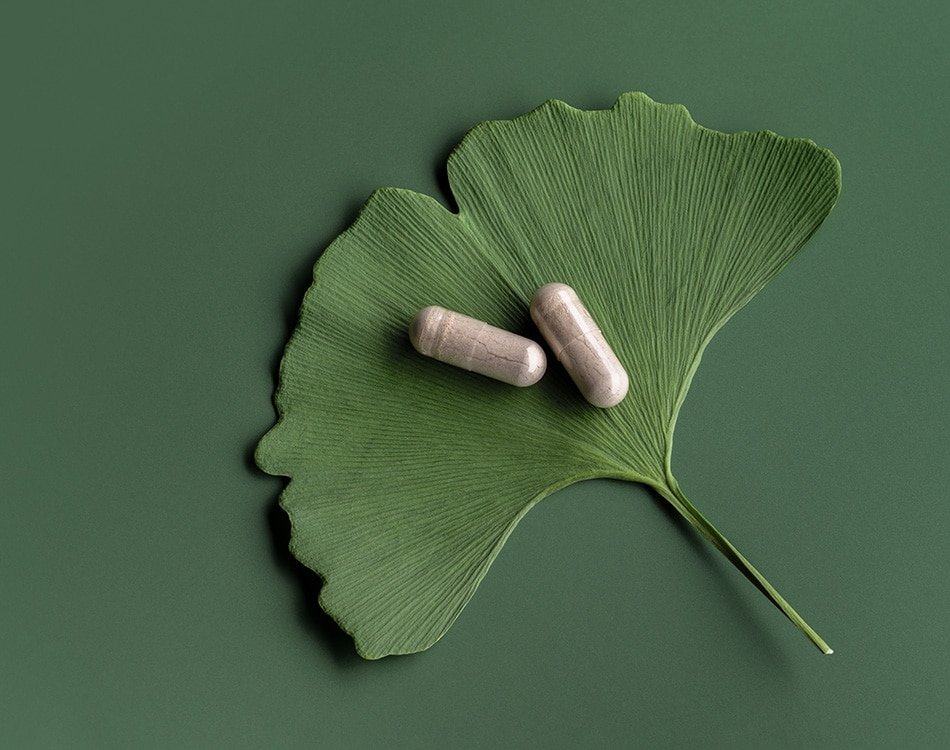
Ginkgo biloba is a herbal supplement made from the leaves of the maidenhair tree. The active compounds in ginkgo leaves – flavonoid glycosides and terpene lactones – are the elements researchers believe drive its effects on blood flow and cellular antioxidant activity.
Because these compounds don’t exist in meaningful amounts in everyday food, supplementation offers a practical way to access a clinically relevant dose.
In supplement form, ginkgo leaf is processed into a standardised extract. You’ll find it sold as capsules, tablets, and liquid tinctures.
READ MORE | 5 Steps for A Health and Lifestyle Spring Reset
Ginkgo Biloba Benefits
Ginkgo is traditionally used to support peripheral circulation (the blood flow to your hands, feet and extremities) and research supports this traditional use due to its mild vasodilatory effect (helping blood vessels relax and widen) combined with reduced platelet stickiness, which may help blood move more freely to the extremities.
For women who experience cold hands and feet, or those training hard and seeking to optimise cardiovascular function during exercise, this benefit is particularly relevant.
Effects are generally modest and require consistent use over several weeks to become noticeable; this is not a quick fix, but rather a foundational support.
Ginkgo leaf extract is also rich in flavonoids and terpenoids, compounds recognised in the scientific literature for their antioxidant activity.
Research notes that these compounds may help neutralise oxidative stress within cells and support healthy blood vessel function.
For female athletes and fitness enthusiasts, this antioxidant protection is relevant after training, when intense exercise naturally generates free radicals. By helping manage this oxidative load, ginkgo may play a supporting role in recovery without replacing proper rest, nutrition and training periodisation.
Ginkgo is sometimes used for feelings of anxiousness, stress and low mood, particularly during high-pressure work periods or intense training cycles. Evidence in these areas is limited and inconsistent, and none of these uses are firmly established. If you’re considering ginkgo for stress or mood, it’s best approached as a complementary option alongside guidance from a healthcare provider rather than a stand-alone solution.
For women managing cortisol through training and supplement stacks, ginkgo may play a supporting role as part of a broader strategy, not as a replacement for sleep, stress management or professional support.
Some women use ginkgo during their menstrual cycle to support occasional bloating, energy dips or mild irritability associated with premenstrual symptoms. Evidence here is mixed and limited; a small randomised controlled trial published in The Journal of Alternative and Complementary Medicine found modest support for premenstrual symptom relief, but larger, more robust trials are needed.
Taking Ginkgo Biloba
As Ginkgo is a botanical extract, dosages depend on your goal and product formulation. Most ginkgo biloba pills and extracts on the market are standardised to a 50:1 ratio, meaning 50 kg of raw leaf is concentrated into 1 kg of finished product. This standardisation helps ensure a consistent dose of active compounds from one capsule to the next.
Clinical studies have commonly used standardised ginkgo biloba extract at total daily doses of 120 mg to 240 mg for circulation and cognitive support. Depending on the formulation, this may be taken as a single daily dose or divided into two or three doses.
A product like Biogen Ginkgo Biloba 200mg delivers a straightforward, single-ingredient dose designed to support mental clarity, circulation and physical recovery in adults. Taken as one capsule daily with breakfast, it fits easily into an existing routine without requiring multiple pills throughout the day.
The 50:1 extract standardisation ensures batch-to-batch consistency, so you know what you’re getting with every serving.
It is usually best to take a ginkgo extract supplement with a meal to reduce the mild stomach upset some people experience on an empty stomach. Because its effects on circulation and cognition build up gradually, consistency matters far more than timing.
If you are pregnant or breastfeeding, it is best to avoid this supplement as there isn’t enough reliable safety data, and its blood-thinning effect is a specific concern during pregnancy and around childbirth.
Author: Pedro van Gaalen
When he’s not writing about sport or health and fitness, Pedro is probably out training for his next marathon or ultra-marathon. He’s worked as a fitness professional and as a marketing and comms expert. He now combines his passions in his role as managing editor at Fitness magazine.
Credit: Source link