


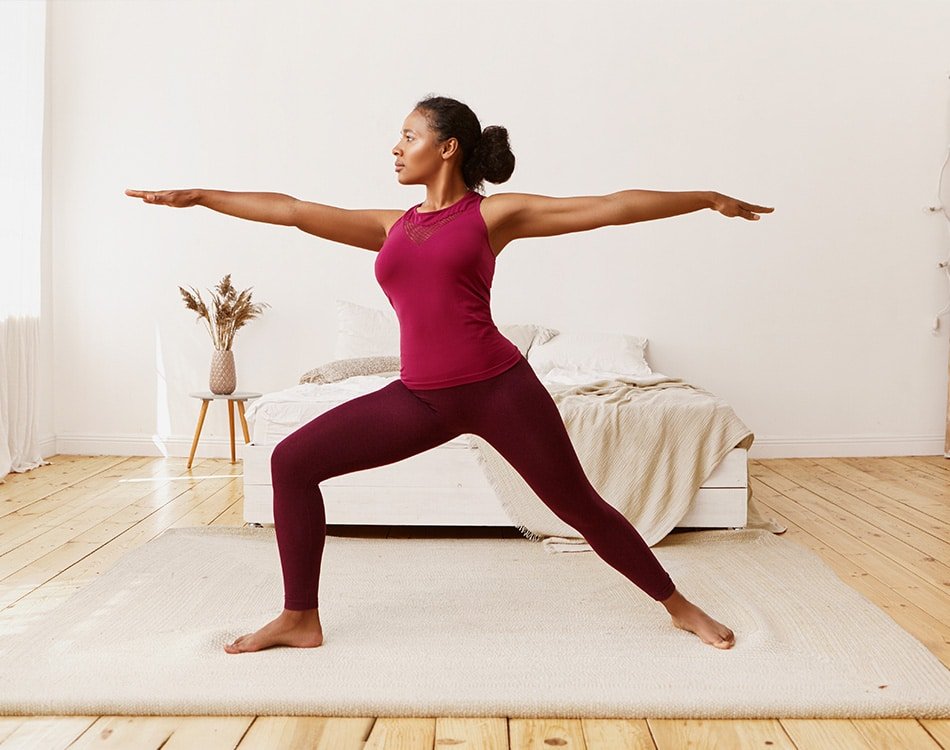

Skipping the gym to flop on the couch might feel like recovery, but for women balancing training, work and family, gentle movement, solid sleep and smart fuelling may do far more to help muscles bounce back.
After a heavy leg day or a long run, the instinct is often to do nothing at all. But recovery isn’t the absence of training – it’s the part of your programme where the progress actually happens.
READ MORE | Don’t no-rep your recovery. Up your recovery standard with these tips
Rethinking rest days
Training is the stimulus; recovery is where you adapt. A lifting session, a long run or a HYROX simulation creates small amounts of muscle damage and fatigue.
Your body repairs and strengthens itself in the hours and days that follow – if it gets what it needs.
Short-change that process for long enough and the balance tips towards overreaching, niggling injuries and a tiredness no amount of coffee will fix. Recovery isn’t time off from your training. It’s the half of your training that happens outside the gym.
READ MORE | Go the distance on your running journey with these recovery tips
Move it to improve it
Active recovery means easy movement on rest days or after hard sessions. Think a 20- to 40-minute walk, an easy spin, a gentle swim, mobility work or yoga – effort you could hold a conversation through.
Active recovery should leave you feeling better than when you started – not like you’ve squeezed in another workout.
However, your recovery needs are shaped by more than your training log. Work deadlines, school runs, caregiving and the mental load of running a household all draw on the same reserves your muscles rely on to repair.
READ MORE | Putting the debate to rest: Do you need a day off every week?
Understanding recovery as a woman
Your cycle may play a part in your recovery from exercise. Many women notice energy, sleep and how hard a session feels shift across the month.
A meta-analysis in Sports Medicine found any performance changes across menstrual cycle phases were trivial on average and varied widely between women, so tracking how you feel beats a rigid rulebook.
Midlife also brings its own recovery hurdles. Sleep disruption, including night sweats, is common in perimenopause and menopause, and poorer sleep can make bouncing back harder. Strength training remains hugely valuable at this stage – recovery simply deserves more attention.
READ MORE | 5 simple steps to improve your post-workout recovery routine
Sleep, fuel, repeat
When it comes to optimal recovery, sleep is a non-negotiable. The US National Sleep Foundation recommends seven to nine hours a night for adults, and people in hard training may benefit from the upper end.
Getting by on four hours isn’t a badge of honour – it’s a recovery debt. Keep consistent bed and wake times, keep your bedroom cool and dark, and move intense sessions earlier in the day if late workouts leave you wired.
READ MORE | Making the link between collagen and recovery from exercise
Fuel your recovery
Protein is another critical part of the repair job. The International Society of Sports Nutrition suggests spreading protein across the day, with roughly 20g to 40g per meal.
After long or intense sessions, add carbohydrates to refill your energy stores. Under-fuelling quietly sabotages recovery.
Regularly eating too little for your training is linked to low energy availability, which may affect hormones, bone health and performance. If your periods become irregular or stop, speak to your doctor.
Keep your plate simple. Eggs, yoghurt, beans, lentils, chicken, fish, oats, fruit and veg all do the job – no special ‘recovery foods’ required. Water is your default drink, though tea and coffee in moderation count towards your fluid intake, too.
READ MORE | Take the plunge to elevate your recovery with contrast therapy
Contrasting approaches
Saunas and ice baths are all over social media. Here’s what the evidence actually supports. Sweat cools you down; it doesn’t clean you out.
Sweat is mostly water and electrolytes. Your liver and kidneys handle waste removal, and sweating doesn’t meaningfully flush out ‘toxins’.
A sauna may help you unwind, though. Heat increases blood flow and many people find it relaxing. A Finnish study in JAMA Internal Medicine linked frequent sauna use with lower cardiovascular risk, but it was observational and involved only men.
Cold water may ease soreness – with a catch. Cold-water immersion is linked to lower perceived muscle soreness after hard exercise. Protocols commonly use water of about 10°C to 15°C for around 10 to 15 minutes.
However, a small study in The Journal of Physiology found that regular cold-water immersion after strength sessions blunted gains in muscle size and strength over 12 weeks (the participants were physically active men, though).
Check before you plunge or steam. If you’re pregnant, have a heart condition, high or low blood pressure, or Raynaud’s, speak to your doctor before using saunas or cold immersion.
READ MORE | Our Nervous System: The Hidden Key to Better Training, Recovery & Results
A recovery day done right
You don’t need six hours at a bathhouse. A realistic active recovery day fits around work and family:
- Start with easy movement: A 20- to 30-minute walk or gentle jog – a loop of Zoo Lake in Joburg or along the Sea Point promenade in Cape Town.
- Eat a protein-rich breakfast: Eggs on wholewheat toast with spinach, or plain yoghurt with oats and fruit.
- Mobilise for 10 to 15 minutes: Focus on hips, upper back and ankles – the areas desk days and heavy sessions tend to tighten.
- Add heat or cold if you enjoy it: A short sauna or cool shower at your gym, with water on hand. Skip it if it feels like a chore.
- Hydrate through the day: Water as your default, plus an electrolyte drink if you’ve sweated heavily.
- Protect your wind-down: Dim the lights and put your phone away well before your usual bedtime.
- The best recovery day is the one you’ll actually repeat every week.
Active recovery isn’t a luxury – it’s part of training well. The evidence for trendy tools like saunas and ice baths is modest and mostly drawn from men, while the basics – easy movement, enough sleep and enough food – do the heavy lifting.
Build one or two genuinely easy days into your week, adjust for your cycle, life stage and stress levels, and notice how you feel. If you’re pregnant, recovering from injury or managing a health condition, speak to your doctor, a biokineticist or a physiotherapist before changing your routine.
Author: Pedro van Gaalen
When he’s not writing about sport or health and fitness, Pedro is probably out training for his next marathon or ultra-marathon. He’s worked as a fitness professional and as a marketing and comms expert. He now combines his passions in his role as managing editor at Fitness magazine.
Credit: Source link