



Introduction (Note: This is also posted on YouTube if you prefer video)
Hey everyone, I want to share a personal journey, one that might resonate with some of you. It’s about a setback I faced and how I’m working through it. Back in 2010, I seriously injured my abdominals while leg pressing over 1100 pounds, which sidelined me for six months, making me lose the progress I had achieved for a major online fitness competition. It was a tough period, but I persevered and eventually returned to my earlier strength levels.
Fast forward to winter 2025, and I found myself facing another challenge – an umbilical hernia. This post is about my hernia recovery journey and the fitness adaptations that have helped me deal with it.
Understanding the Umbilical Hernia
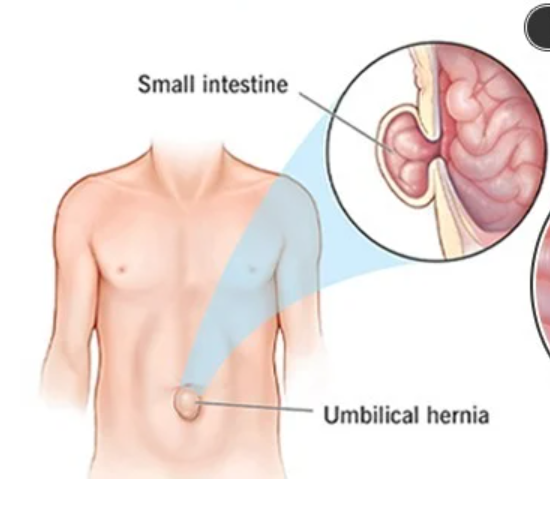
For those not familiar, an umbilical hernia is when there’s a tear in the abdominal wall, and organs begin to bulge through. Mine was asymptomatic for several years, merely presenting as a small bubble above my belly button, so it didn’t seem urgent. However, a kayaking trip on my birthday with my family aggravated it further, forcing me to stop all training due to significant pain.
Navigating Recovery with Cautious Fitness
Reflecting on my 2010 experience, I approached this setback with caution. I knew I had to let my body heal, so I initially ceased all training and focused on recovery. Now that it’s been a couple of months, here’s how I’ve managed to reintroduce exercise without worsening the injury:


- Finding Workarounds:
- I identified a few exercises that didn’t aggravate my core but allowed me to stay active. Single arm dumbbell preacher curls, 45-degree single-leg hyperextensions, Spanish squats, and bodyweight single-leg calf raises are currently my staples.
- I kept my training weight below 30 pounds, ensuring I wasn’t straining my injury further.
- Testing Limits:
- I was cautious about any exercises involving my core and opted for those that didn’t. However, I occasionally tested the waters with body weight hip thrusts, Nordic leg curls, and parallel bar chest dips. These I’m able to include on a less frequent and less intense basis.
The Power of Isometrics
In dealing with this injury, I also turned to isometric exercises, leveraging my knowledge in muscle activation techniques (MAT). This involved gentle, isometric contractions to wake up and activate my transverse abdominis and rectus abdominus muscle. These exercises include:
- Isometric holds for the upper and lower transverse abdominis.
- Gentle abdominal contractions, carefully controlled to prevent aggravation.
These exercises, typically held for 3-6 sets of six seconds, are designed to gradually and safely improve muscle recruitment while avoiding compensation patterns.
Conclusion
If you’re struggling with a chronic injury, especially one related to your core, it’s crucial to find ways to keep moving while allowing time for healing. Always be cautious, explore exercises that don’t hinder your recovery, and consult professionals when needed. Isometric exercises can be a gentle yet effective routine to maintain muscle tone and promote healing.
Remember, setbacks are a major of the journey, so with patience and the right strategies, they’ll become some of your best learning experiences instead of derailing all your progress. Please feel free to share your experiences and insights, as community wisdom can be a powerful support system.
Stay strong and keep moving forward.
Credit: Source link

