


While the changes we experience around menopause and its many symptoms are primarily related to shifting hormone levels, your body also goes through other important changes that can affect your health, bodily function and sense of well-being.
One of the most important — and often overlooked — shifts happens in your gut. Here’s how changes in your gut microbiome during perimenopause and menopause can influence your weight, mood, digestion and hormonal profile.
Key Takeaways
- Perimenopause and menopause can reduce gut microbial diversity, which may affect digestion, inflammation, mood and metabolism.
- The oestrobolome — the group of gut bacteria involved in oestrogen metabolism — plays a role in how oestrogen is recycled in the body.
- Gut changes may help explain why many women notice shifts in waist circumference, energy, constipation, sleep and emotional resilience during midlife.
- Diet, movement, fibre, fermented foods and targeted supplements can help support a more resilient microbiome.
Why the Gut Microbiome Matters in Menopause
We know that our microbiome – the trillions of bacteria that live in our gut – does more than just help digest food and absorb nutrients.
These beneficial bacteria influence our metabolism, mood, immune and brain function, inflammation, body composition, and bone density. In women, gut bacteria also help recycle oestrogen during our reproductive years.
As such, the microbiome is deeply connected to our overall health, important bodily functions, performance and recovery.
READ MORE | Take Creatine During Menopause To Improve Your Quality Of Life
What Happens to the Microbiome During Perimenopause?
During perimenopause, the transitional, often symptom-heavy, phase leading up to menopause, your microbiome changes in ways that can impact your entire body.
Typically starting in your 40s or 50s, fluctuating oestrogen and progesterone levels cause irregular periods, hot flashes, and emotional changes.
However, these hormones don’t just regulate your reproductive cycle; they also have receptors throughout your body, including in your gut lining.
One of the most overlooked effects of perimenopause is a drop in gut microbial diversity, which often begins years before your final menstrual period.
Research1 suggests that the drop in sex hormone levels — especially oestrogen and progesterone — is associated with reduced gut microbiome diversity and changes to the oestrobolome, the collection of bacteria involved in oestrogen metabolism.
In addition, declining oestradiol (the most potent and abundant form of oestrogen) and progesterone may lead to gut permeability, which allows gut bacteria to escape the digestive system and enter the body, leading to issues such as leaky gut syndrome.
Progesterone can also slow gut motility, potentially contributing to constipation, which is common during menopause.
READ MORE | Hormones, Menopause And Cancer: A Call To Consider Breast Cancer Risk
How Gut Changes Can Affect Weight, Mood and Digestion
Studies2 link these menopause-related microbiome changes with higher waist circumference, blood pressure, and cardiometabolic risk markers.
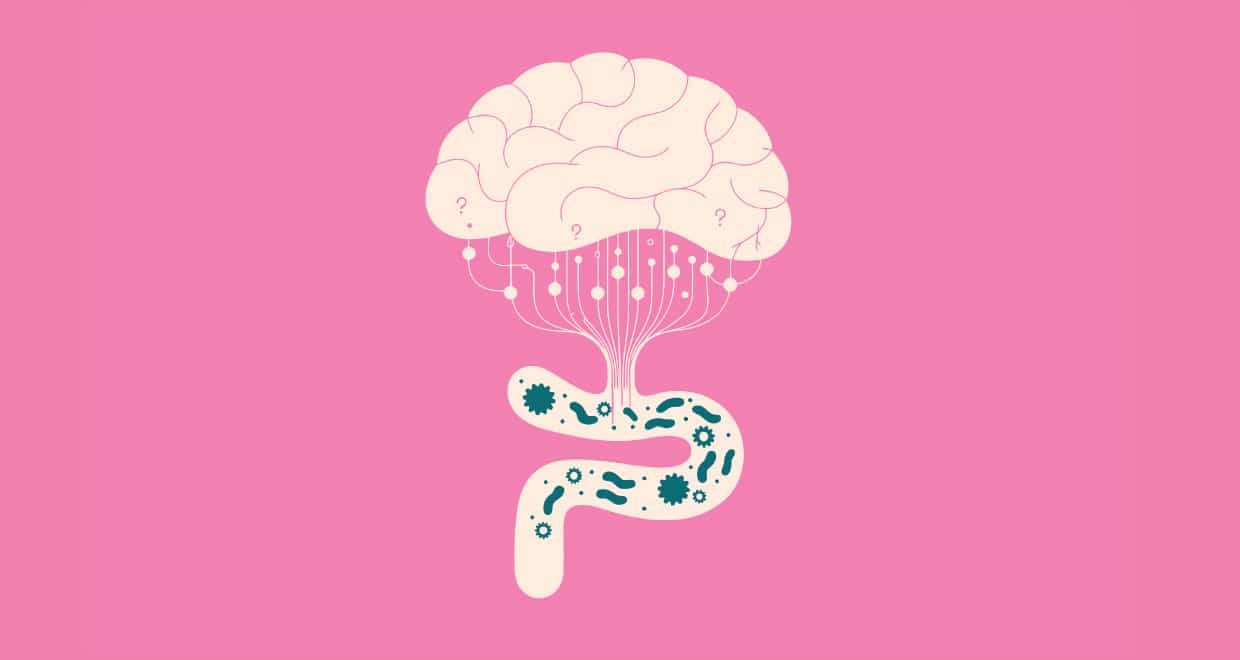
An imbalanced microbiome also affects the gut-brain axis – a two-way communication pathway between your gut and your brain. This disruption has been linked to anxiety, depression, and cognitive changes, all of which can be more prevalent during menopause.
This is a major reason many women notice shifts in weight, energy, digestion, and mood during the menopause transition.
READ MORE | Don’t Let Perimenopause Pause Your Life: Thrive Through The Change
How to Support Gut Health During Menopause
The good news is that you can actively support and nurture your microbiome during perimenopause and menopause through diet and lifestyle choices.
The best thing women can do at this stage in their life is to eat foods and make lifestyle changes that promote gut microbiome diversity and help maintain the integrity of their gut barrier.
A comprehensive approach should incorporate these four powerful interventions:
1. Eat More Plants
Eat a wide variety of plants every week, including vegetables, fruits, herbs, legumes, nuts, seeds, and whole grains, as the foods provide the compounds that gut bacteria thrive on.
Plants contain different forms of fibre, which are the preferred food sources for beneficial gut bacteria. Aim for at least 25-30 grams of fibre per day from a variety of sources.
Eating a wide range of brightly coloured fruits and vegetables also provide polyphenols – natural compounds that act as antioxidants.
2. Include Fermented Foods
Fermented foods contain live probiotics, which can help replenish and maintain a healthy gut microbiome. Consider incorporating:
- Yoghurt (ensure it contains live cultures)
- Kefir
- Sauerkraut
- Kimchi
- Tempeh
- Miso
3. Move With Intention and Intensity
Movement doesn’t just support muscle and bone health; it also stimulates the microbiome.
Exercise, especially high-intensity workouts and strength training, has been shown3 to improve microbial diversity and metabolic signalling.
4. Supplement Your Approach
A fibre supplement can help rebuild your gut microbiome, especially if you struggle to eat a variety of natural plant foods or have suffered from a recent illness that required antibiotics.
Look for a supplement that includes different fibre sources, ensuring both soluble and insoluble fibre and resistant starch.
When it comes to supporting your gut lining, research4 shows that glutamine supplements may improve gut health by supporting the microbiome, and the gut wall integrity by reducing inflammation.
Probiotics are another supplement that may help support and promote gut diversity through this transitional life stage.
These products contain live microorganisms that can provide health benefits when consumed in adequate amounts. Look for products that list the specific strains and have a colony-forming unit (CFU) count.
Before starting any new supplement, including probiotics, talk to your doctor or a registered dietitian. They can help determine if probiotics are right for you and recommend specific strains based on your individual needs.
Frequently Asked Questions
1. Can menopause affect gut health?
Yes. Changing oestrogen and progesterone levels during perimenopause and menopause can influence gut microbial diversity, gut motility, inflammation and the gut-brain axis.
2. What is the oestrobolome?
The oestrobolome is the group of gut bacteria involved in metabolising and recycling oestrogen. When this microbial community changes, it may affect how much oestrogen circulates in the body.
3. What foods support the gut microbiome during menopause?
A wide variety of plant foods, fibre-rich whole grains, legumes, nuts, seeds, colourful fruit and vegetables, and fermented foods such as yoghurt, kefir, sauerkraut, kimchi, tempeh and miso can all help support microbial diversity.
4. Should you take probiotics during menopause?
Probiotics may help support gut diversity for some women, but the right product depends on your symptoms, health history and needs. Speak to your doctor or a registered dietitian before starting any new supplement.
References:
- Peters BA, Santoro N, Kaplan RC, Qi Q. Spotlight on the Gut Microbiome in Menopause: Current Insights. Int J Womens Health. 2022 Aug 10;14:1059-1072. doi: 10.2147/IJWH.S340491. PMID: 35983178; PMCID: PMC9379122.
- Gumpeny N, Gumpeny L, Gumpeny SR. Metabolic syndrome in menopause. Explor Endocr Metab Dis. 2025;2: 101440. https://doi.org/10.37349/eemd.2025.101440
- B. Charlesson, J. Jones, C. Abbiss, P. Peeling, S. Watts, C.T. Christophersen. Training load influences gut microbiome of highly trained rowing athletes. Journal of the International Society of Sports Nutrition, 2025; 22 (1) DOI: 10.1080/15502783.2025.2507952
- Zhou Q, Verne ML, Fields JZ, Lefante JJ, Basra S, Salameh H, Verne GN. Randomised placebo-controlled trial of dietary glutamine supplements for postinfectious irritable bowel syndrome. Gut. 2019 Jun;68(6):996-1002. doi: 10.1136/gutjnl-2017-315136. Epub 2018 Aug 14. PMID: 30108163; PMCID: PMC9549483.
Author: Pedro van Gaalen
When he’s not writing about sport or health and fitness, Pedro is probably out training for his next marathon or ultra-marathon. He’s worked as a fitness professional and as a marketing and comms expert. He now combines his passions in his role as managing editor at Fitness magazine.
Credit: Source link

