


While many women take biotin supplements to promote healthy hair growth and strengthen their nails, this vitamin is much more than an overhyped beauty fix.
Also known as vitamin B7, biotin’s true benefit lies in its ability to support women who are juggling their career, fitness, relationships, families and wellness routines, as it plays a legitimate role in your body’s energy production, nervous system function, and cellular maintenance.
READ MORE | The Science of Inner Beauty: Nutritional Support for Strong Hair and Nails
Why Your Body Needs Biotin
Biotin is a water-soluble B-complex vitamin (vitamin B7) that your body cannot manufacture on its own.
Unlike fat-soluble vitamins that your liver can store and ration out, biotin doesn’t remain in your body. It’s absorbed in your small intestine, transported to your liver, and any excess is excreted in your urine.
This means you need consistent dietary intake or supplementation to maintain adequate levels, particularly if you’re under stress, exercising regularly, or have dietary restrictions.
At the biochemical level, biotin acts as a coenzyme – essentially a helper molecule that allows enzymes to do their job. Specifically, it enables the enzymatic reactions that break down carbohydrates, fats, and proteins from your food into glucose and fatty acids, which your cells then convert into usable energy.
It also participates in gene expression, supporting cell growth and division, which becomes particularly relevant during different life stages (pregnancy, perimenopause, and menopause included).
While biotin does support keratin production, its direct link to hair and nail strength is greatly overstated in many cases, with only limited evidence to show it may offer some nutritional support for those suffering hair loss.
READ MORE | Fuel your fire and fight fatigue with B complex vitamins
Biotin Sources
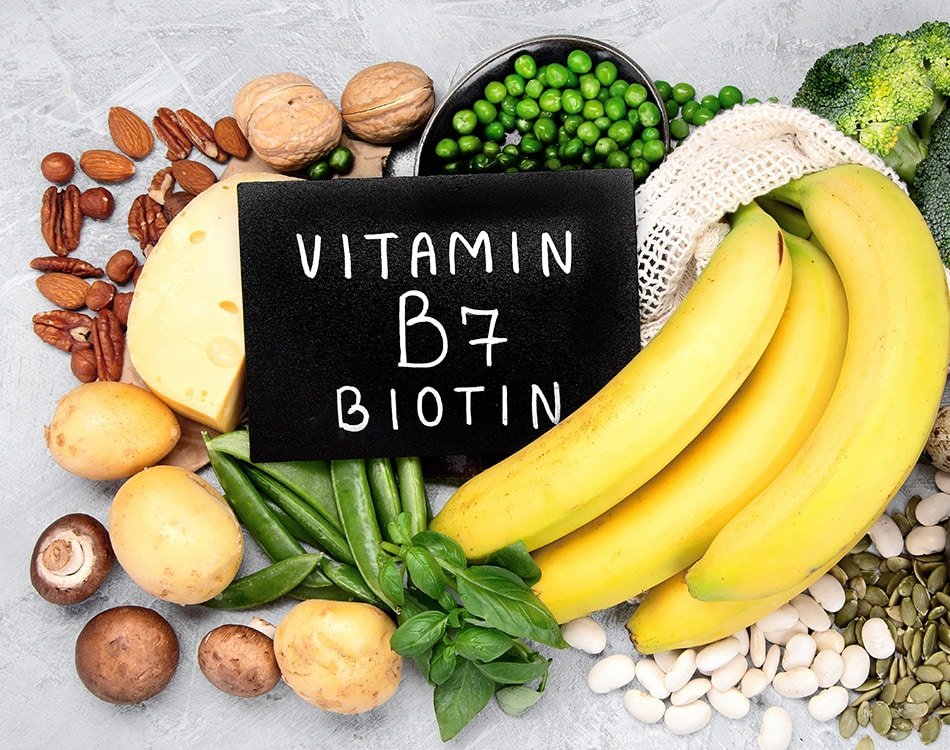
You can get biotin from food, with egg yolks one of the richest sources, along with liver, mushrooms, nuts, seeds, cauliflower, and chicken.
However, much of the biotin in food is bound to protein, which means your digestive system has to release it before your small intestine can absorb it.
That processing step doesn’t always happen completely, especially if your gut health is compromised or if you’re taking certain medications.
READ MORE | B your best self: Unpacking the benefits of B complex vitamins
Fight Fatigue with Biotin
Here’s where biotin becomes relevant for a lot of women: fatigue. Whether it’s the afternoon slump at 3 p.m., post-workout exhaustion, or that bone-deep tiredness that accompanies hormonal shifts, managing your energy levels can make a real difference.
Biotin’s role in energy metabolism is biochemically sound. Research published in major biochemistry journals confirms that biotin is indispensable for the enzymatic reactions that extract energy from carbohydrates and fats.
Without adequate biotin, your body struggles to convert food into ATP, the cellular currency of energy, which can contribute to fatigue and reduced physical performance.
If you’re eating a reasonably varied diet (eggs, nuts, whole grains, vegetables), you probably have adequate biotin status already. Biotin deficiency in otherwise healthy women is genuinely rare, even in South Africa.
So supplementation won’t necessarily give you an energy boost unless you’re actually deficient, which you wouldn’t know without specific testing. However, certain groups of women are more likely to have compromised biotin status:
- If you consume high levels of alcohol regularly, your biotin absorption is reduced.
- If you’re on anticonvulsant medications (phenytoin, carbamazepine), long-term use depletes biotin levels significantly.
- If you’re pregnant, approximately one-third of women develop marginal biotin deficiency despite normal intake, possibly because pregnancy increases metabolic demand.
If you fall into any of these categories, supplementation might genuinely support your energy production and recovery, particularly if you’re training or managing high stress.
The Nervous System Connection
Beyond energy, biotin plays an under-appreciated role in nervous system function. It’s involved in myelin formation – the protective sheath around nerve fibres – and neurotransmitter synthesis, the chemical messengers your brain uses to regulate mood, memory, and cognitive clarity.
For women specifically, this matters during transitions. The fluctuations in oestrogen and progesterone across your menstrual cycle, during perimenopause, and at menopause create shifting demands on your nervous system.
Adequate B-vitamin status, including biotin, supports stable neurotransmitter production when your hormones are doing their monthly or seasonal dance.
Research indicates biotin also participates in gene expression, influencing how your cells read and use genetic instructions.
This is particularly relevant during periods of rapid cell turnover or demand, which, again, includes pregnancy, intense training, and hormonal transitions. It’s not a magic fix for mood or focus, but it’s a genuine biochemical player in the game.
The Biotin Bottom Line
Biotin is safe, inexpensive, and plays genuine roles in energy metabolism and nervous system function. It’s not a cure-all, and it won’t dramatically transform your hair or skin if you’re already well-nourished.
But if you’re training hard, navigating a life transition, managing stress, or in one of the groups more likely to have compromised status, ensuring adequate biotin intake with a product, like Biogen Biotin Super Potency, is a sensible, evidence-informed choice.
The key is approaching it realistically: as a nutritional foundation stone, not a magic bullet. Pair it with adequate sleep, consistent training, stress management, and a reasonably varied diet.
And if you’re considering supplementation, particularly at higher doses, give your healthcare provider a heads-up before your next blood work as it can interfere with your results.
Author: Pedro van Gaalen
When he’s not writing about sport or health and fitness, Pedro is probably out training for his next marathon or ultra-marathon. He’s worked as a fitness professional and as a marketing and comms expert. He now combines his passions in his role as managing editor at Fitness magazine.
Credit: Source link
![[RECIPE] Apple, Date and Cinnamon Salad](https://naturalhealthwatchers.com/wp-content/uploads/2026/08/Apple-Date-and-Cinnamon-Salad.jpg)
